Huge expansion of Faversham gets go-ahead
2,500 homes edge towards reality while Kent politics offers pot plant confusion, tax doublespeak and a familiar defection

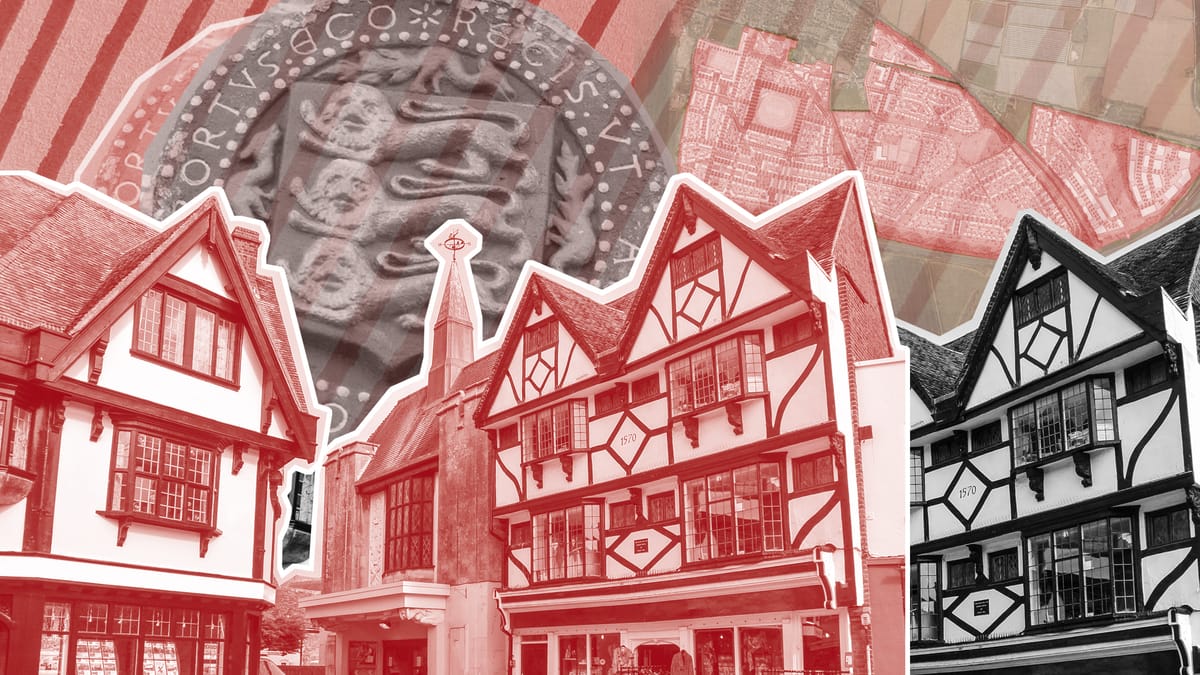
Swale Borough Council has backed a 2,500-home Duchy of Cornwall development south east of Faversham, paving the way for one of the town’s biggest expansions in decades despite major concerns over traffic, infrastructure and countryside loss. We've got the full details below, where we also look at the increasingly murky fate of Kent County Council’s office pot plants, Reform’s attempts to explain away a council tax rise, and yet another councillor switching parties at County Hall.
Swale waves through one of Faversham’s biggest developments in decades
Swale Borough Council has approved one of the biggest developments Faversham will see in decades, waving through a 2,500-home expansion on Duchy of Cornwall land south east of the town after the usual long, anxious planning argument about traffic, infrastructure, countryside and whether any of this is actually sustainable.
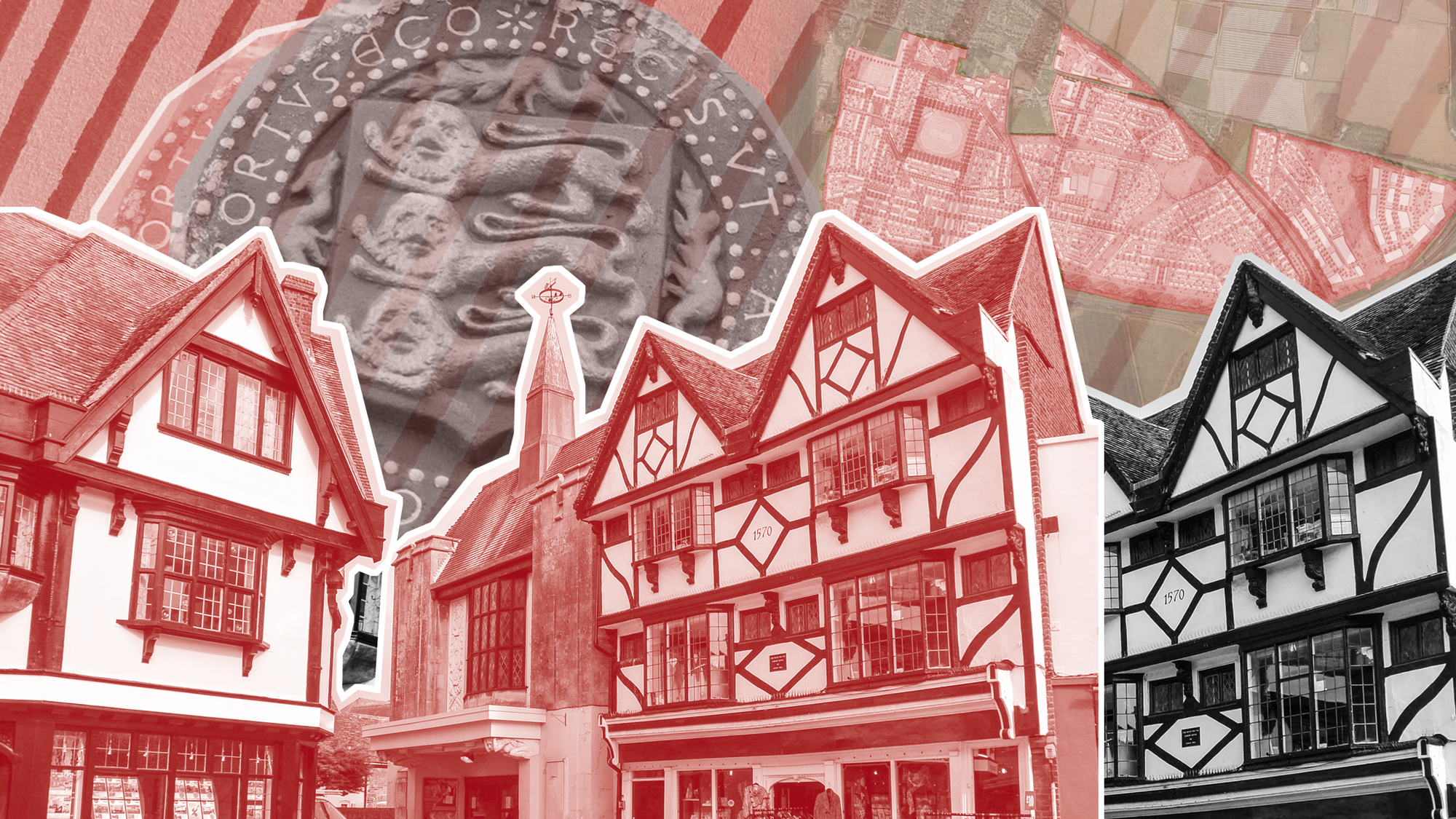
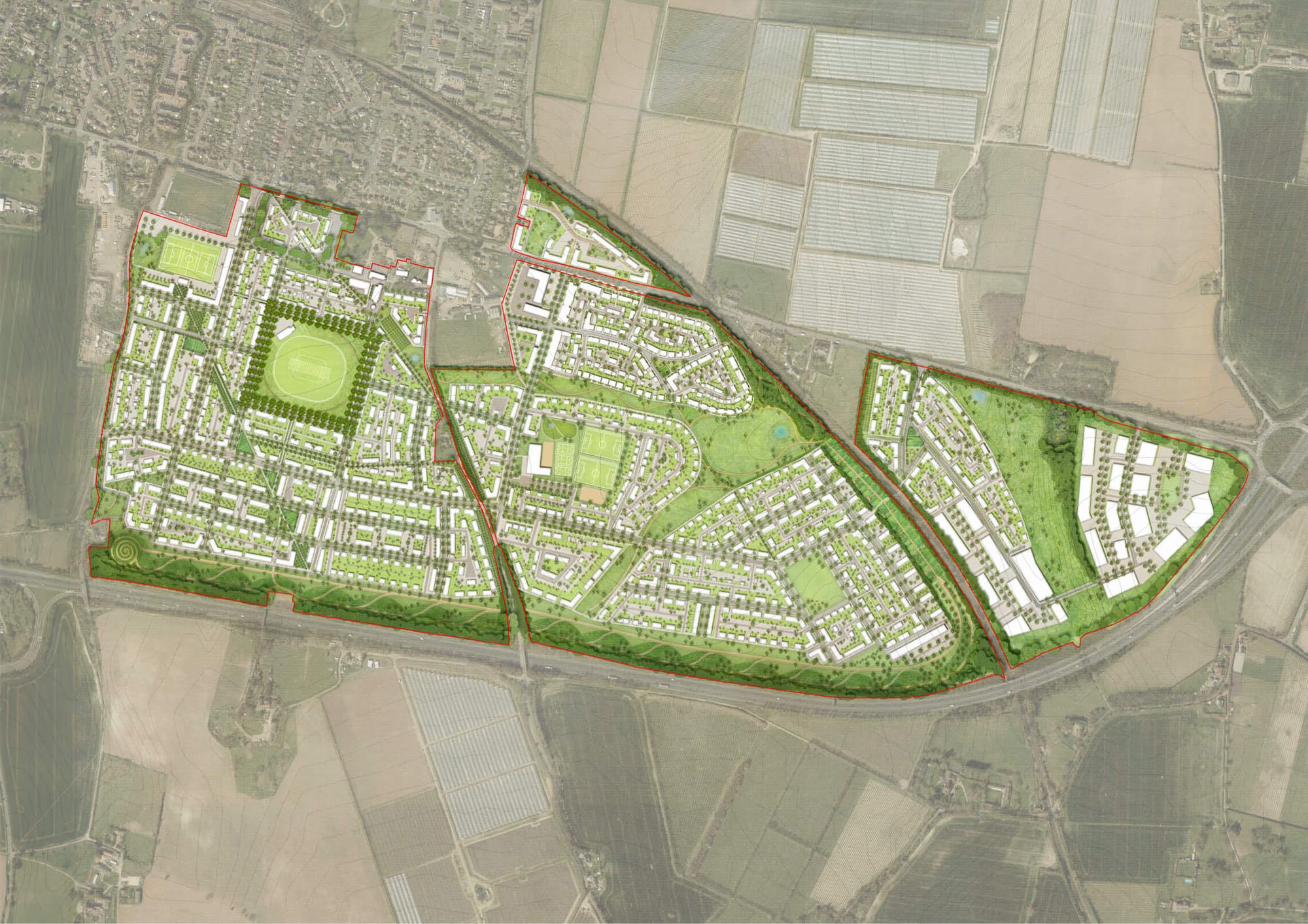
Councillors voted 11-5 on Tuesday night to back the scheme, subject to conditions and a legal agreement. That matters, because this was a resolution to grant rather than the final rubber stamp there and then. But in practical terms, barring some late collapse in the legal paperwork, South East Faversham is now moving from long-running proposal to a major reshaping of the town.
The first phase would include 261 homes, 35% of which are affordable, along with part of a local centre, green space, and walking and cycling links, with construction targeted for 2027 or 2028. Beyond that sits the much bigger proposition of another 2,239 homes, a primary school, nursery provision, healthcare facilities, homes for older people, employment land, a hotel, a replacement cricket pitch, a new football training facility, a water recycling centre and a build-out likely to stretch for 15 to 20 years.
So this is not a small extension. It is a new piece of Faversham, built gradually enough that half the arguments around it will probably still be going by the time large chunks of it are finished.
That is the decision. The more interesting part is what exactly has been approved.
Because this is not just another big estate row, even if plenty of the objections were the familiar kind. The Duchy of Cornwall is not a standard large-scale housebuilder, and its schemes tend to be very high quality. Poundbury is the obvious example. People can argue forever about whether they actually want to live in something that looks like a Jane Austen theme park, but it is plainly a more serious attempt at building an actual place than the usual British practice of flinging up a lot of houses on the edge of a town and hoping a playground, a bus stop and a vaguely uplifting brochure somehow turn it into a community.
That does not mean opponents are necessarily wrong. But it does mean this scheme is worth judging against a higher standard than the usual field-plus-brochure exercise.
The Duchy wants South East Faversham seen as a proper neighbourhood rather than just 2,500 houses with some nice landscaping around the edges. That is why the scheme comes wrapped in the language of mixed uses, green space, biodiversity, local facilities and sustainability. Officers told councillors the design had taken cues from Faversham, with a more traditional layout and a stronger sense of character than the average major application. Even in committee, where many members were clearly uneasy about what was before them, there was recognition that if this kind of development is going to happen at all, it is being brought forward by a developer with a better reputation than most.
And, to be fair, there is some actual substance in the package. This is not just houses. The local centre is meant to include retail, commercial and community space. There is employment land in the eastern part of the site. The existing sports uses are not simply being erased from the drawings but replaced elsewhere within the scheme. The Duchy says 50% of the site will be green space and that the project will deliver 20% biodiversity net gain. This is plainly being sold as something more thought-through than the average edge-of-town housing sprawl.
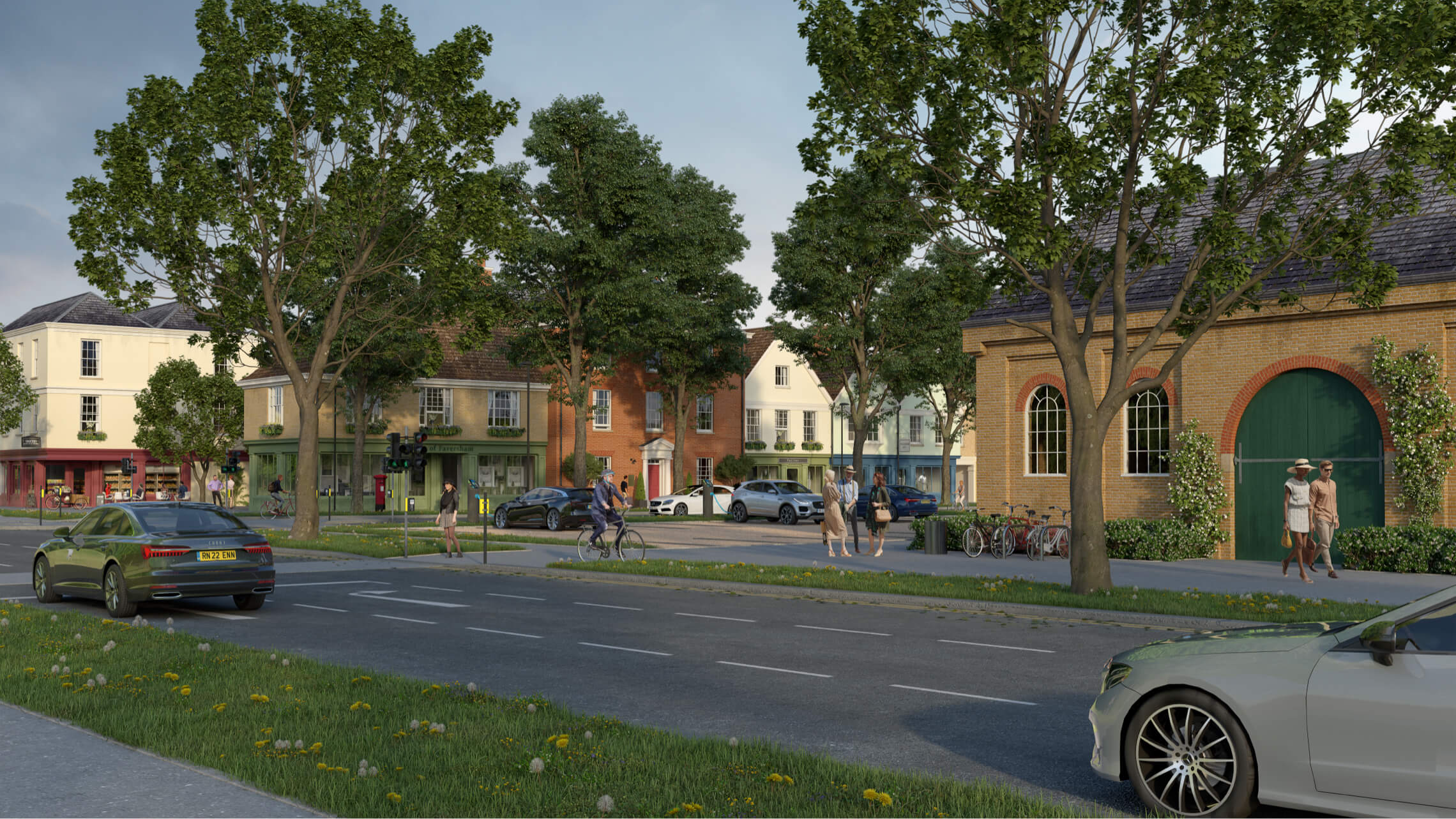
The test, though, is not whether the words sound nicer. It is whether the roads, public space, facilities and connections actually produce something that feels like part of Faversham rather than a large new settlement parked beside it.
The core contradiction here is that Swale’s own officer report more or less accepts that this is the wrong place by normal policy standards. The site is in the countryside and outside the built-up area boundary. Officers said the scheme conflicts with the local settlement strategy, would introduce large-scale built form onto undeveloped countryside and would fail to protect or enhance its intrinsic value. It also means the loss of around 127 hectares of best and most versatile agricultural land, which is a polite planning way of saying some very good farmland is being turned into houses, roads and supporting infrastructure and will never be farmland again.
Ordinarily, that would be a very awkward starting point.
The reason it was not fatal is that Swale’s housing position is weak enough that saying no has become much harder than saying yes. Officers said the council’s five-year housing land supply stands at 3.97 years, below the required level. That triggers the familiar bit of planning logic where policies meant to restrain this sort of thing suddenly matter rather less because the council cannot show it is delivering enough housing overall.
That is the real story here. Not just that a big development got approved, but that the council’s broader planning weakness left members trying to decide not whether this was ideal, but whether refusing it was realistically defensible.
The objections, unsurprisingly, were substantial. More than 460 letters of objection were lodged against the scheme, compared with just 12 in support. Opponents warned of the obvious things like more traffic, more pressure on roads and services, more countryside lost, and more strain on a town already absorbing growth. Several argued that this is not genuinely sustainable at all, but a large, car-dependent extension cut off from much of Faversham by the A2 and the railway.
That concern clearly landed in the room. Members kept returning to the same issues of how realistic the active travel claims are, whether bus provision will actually materialise in a useful way, what happens around the M2 Brenley Corner, how much extra pressure this puts on local roads, and whether people living here will, in practice, just drive everywhere. The whole sustainability case rests heavily on the idea that a meaningful number of residents will walk, cycle or use public transport for everyday journeys. Plenty of councillors sounded unconvinced.
The pro case, or at least the case that carried the night, was less enthusiastic than resigned. Even councillors who supported the scheme did not sound like people delighted by the prospect of 2,500 new homes here. What they sounded like was people looking at Swale’s weak housing supply, the amount of affordable housing in the first phase, the lack of obvious painless alternatives, and the quality of the scheme compared with a lot of what passes for strategic development elsewhere, and concluding that refusing it would be harder to justify than approving it.
That reluctance is important. This was not members being swept away by a glorious vision for the future of south east Faversham. It was a majority looking at an uncomfortable proposal, acknowledging much of what was wrong with it, and deciding the planning balance still pushed them towards yes.
That does not make for romantic politics, but it is usually how these decisions actually get made.
One of the more revealing parts of the debate was how much time members spent not arguing about architecture or even the principle of growth, but about the Section 106 agreement and the conditions. In other words, what exactly is Faversham getting in return, when does it get it, and how much of it will stay local rather than disappearing into wider county-level pots? Councillors pushed for tighter wording on issues such as education, healthcare, waste, and other contributions, and there was repeated concern about whether the legal agreement was sufficiently specific.
That matters because it goes to the heart of why local people are so sceptical about major schemes like this. It is not just that they dislike the houses, even though they often absolutely do. It is that they have heard the language of mitigation, infrastructure and local benefit before, and they know how often those promises end up looking a lot blurrier once the diggers arrive.
It also matters because this is where the Duchy's reputation becomes relevant in a serious way rather than as a decorative royal footnote. If the Duchy wants the benefit of being seen as a better kind of developer, which in many ways it is, then the test is not whether it can produce nicer-looking visuals or more persuasive language about stewardship. The test is whether South East Faversham ends up being a genuinely coherent extension of the town, with proper facilities, decent connections, meaningful affordable housing and enough quality that people do not simply experience it as another giant development imposed on the edge of somewhere they already live.
That is a harder test than “Is it better than Persimmon?”, but it is the right one.
There is a temptation with a scheme like this to fall into one of two easy positions. Either it is a disaster because it is large and on countryside land, or it is a model development because the Duchy is involved and the drawings look nice. Neither is quite good enough.
South East Faversham is a huge and contentious expansion of the town on land that policy would normally be much less happy about losing. Opponents are right to see it as a major change with long-term consequences for traffic, infrastructure, countryside and the feel of the eastern side of Faversham. But it is also true that, as major housing schemes go, this is being advanced by a developer with a much stronger track record on quality and place-making than most, and with a proposal that at least tries to function as more than a dormitory estate.
So the argument now changes.
The fight over whether this should happen at all has, in practical terms, largely been settled. The more important question from here is whether what gets built south east of Faversham actually lives up to the standard Duchy developments are supposed to set, or whether this turns out to be a more elegantly packaged version of the same old planning story.
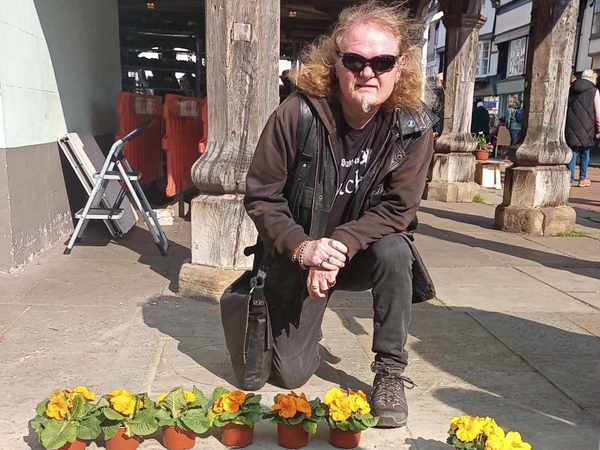
Are the pot plants going, or just the people who water them?
Kent County Council is cutting the contract that keeps the pot plants in its offices alive.
How many plants are going, how many are staying, and who is now responsible for keeping what remains upright is a bit less clear.
In the draft budget, KCC proposed a £40,000 saving by cutting the maintenance contract for plants. The paper noted the existing contract covers pruning, watering, pest control and replacing plants when required, adds that those activities cannot be transferred to staff due to previous issues with maintenance, and then makes the saving sound brutally straightforward: “Removing plants entirely will deliver a saving of £40,000 while ensuring that resources are focused on core services.”
At the full council budget meeting on 12 February, deputy leader Brian Collins, the portfolio holder behind the budget, was having none of it. After a reference to removing pot plants, he interrupted to insist that was wrong. “We’re not removing the pot plants,” he said to opposition members. “We are removing the maintenance, so my friend over there needs to get his facts right. All about the detail.”
KCC also disclosed, via a response to a Freedom of Information request by the Kent Current, what that maintenance contract actually covers. The existing service is provided via Churchill Group and costs £39,768 per year. It covers 510 plants, with monthly visits, and includes watering, feeding, pruning, top dressing, pest control, cleaning, and free replacement of dead plants. KCC said the contract ends on 31 March.
So, we know that the maintenance is going. But KCC’s official line on the plants themselves now lands somewhere between removing them entirely and not removing them at all.
A council spokesperson told us that, “Plants will be reduced to a manageable level and our existing facilities management staff based in our offices will be responsible for watering and some limited pest control of the plants. Plants no longer located in offices will be redistributed to various other KCC operational buildings, such as short break centres and children’s homes, where caretakers or multi-skilled staff are already on site.”
In other words, the plants are not being abolished so much as trimmed back and moved around, with the risk of repeating the maintenance issues the budget paper itself flags.
We asked Cllr Collins directly to clarify his comments and the council’s current plan, but he did not respond.
Up is apparently down on council tax
Nigel Farage had an awkward moment this week when ITV Meridian challenged him over Reform’s decision to put council tax up at Kent County Council.
The problem is straightforward enough. Before last year’s local elections, Reform circulated Kent campaign literature promising to 'reduce waste and cut your taxes.' Since taking control at County Hall, it has voted through a 3.99% council tax rise.
Asked about that, Farage insisted Reform had never said it would cut tax. Pressed on the leaflet, he then suggested that 'cutting taxes' could mean not putting them up as much.
Which is certainly one way of looking at it.
There has been some further flailing online from Reform supporters claiming the leaflet did not specifically mention council tax. But this was a Kent County Council election leaflet. County councils do not control income tax or VAT. In that context, 'cut your taxes' can only really mean council tax.
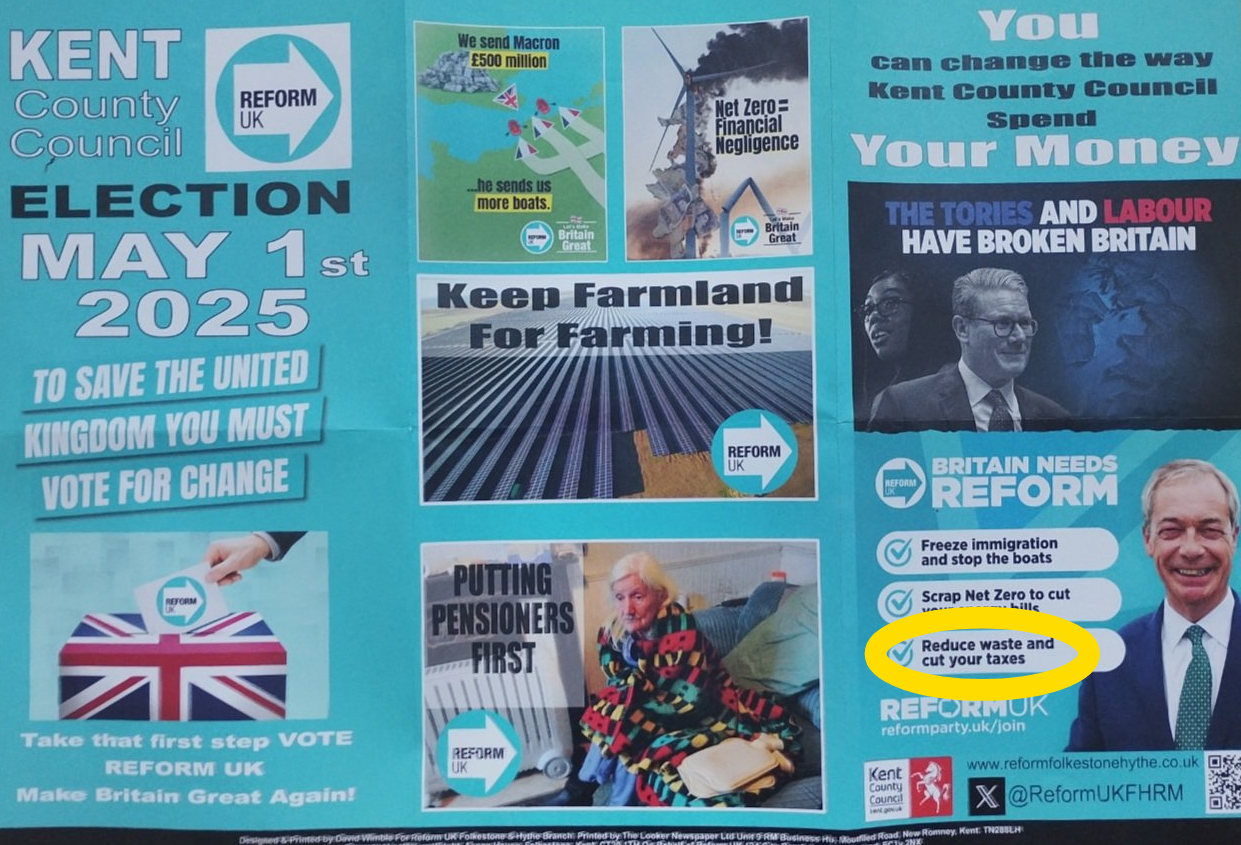
As an added bonus, the leaflet at the centre of all this was itself later withdrawn after Reform printed the KCC logo on it, which election literature is very much not supposed to do.
If Reform wanted to say it got into office and found the finances worse than expected, that would be a normal political excuse. Instead, it has gone for the much stranger line that voters simply misunderstood plain English.
Councillor completes a political loop
There is something almost impressively circular about Cllr Bill Barrett’s latest political move.
Barrett has now joined the Conservative Group at Kent County Council, having previously been a Conservative, then an independent, then Reform, then the driving force behind the short-lived Independent Reformers group, and now a Conservative again. At this point, his political journey is starting to look less like a journey and more like a lap.
He was elected to County Hall for Reform in 2025, before being expelled from the party during the increasingly chaotic period following the leaked video row. After that, Barrett formed the Independent Reformers group, which itself did not last long, as two of its three members peeled away to join Restore.
So this is not just one councillor changing labels. It is another reminder that a sizeable chunk of Kent’s post-2025 political realignment has been built on very flimsy foundations, with councillors shifting between parties, setting up new groupings, then watching those groupings fall apart almost immediately.
Barrett's return to the Conservatives does not change the balance of power at County Hall in any meaningful way. What it does do is underline, again, how little ideological solidity there has been in and around Reform’s Kent project. Too much of it has looked less like a coherent political movement than a temporary shelter for disaffected ex-Tories and other local free agents.
And in Barrett’s case, at least, the temporary shelter appears to have been exactly that.
Footnotes
Follow us on social media! We’re on Facebook, BlueSky, and Instagram for now.