“If you're going to do something, you've got to do it properly”
What we asked Sheila Potipher, former Chair of Governors at MidKent College
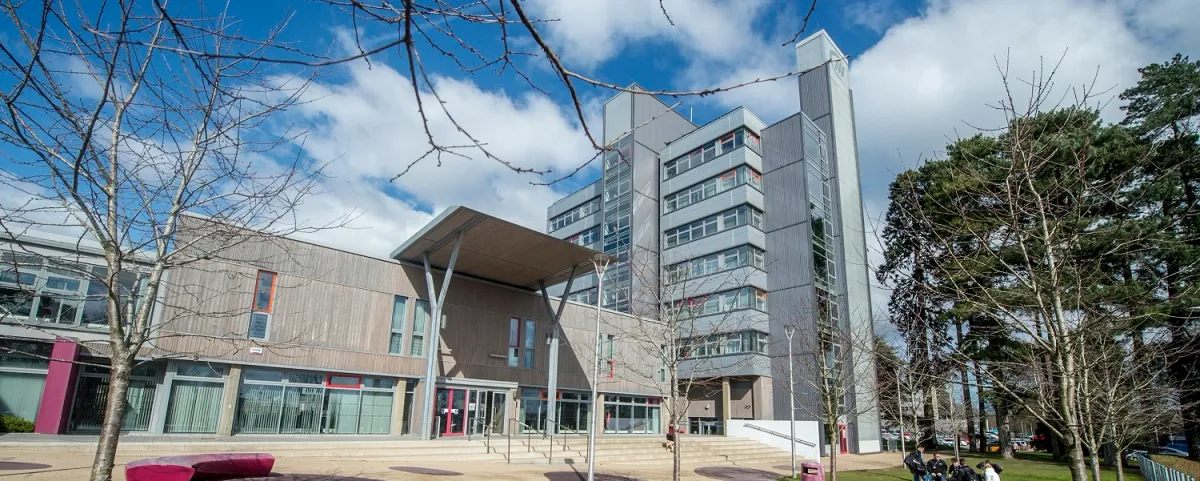
Sheila Potipher is a magistrate and former Chair of MidKent College. Steven met her at MidKent's Maidstone campus, where they spoke about what magistrates do, supporting young people into college and the passing of MidKent principal Sue McLeod...
What was your official occupation before you retired?
I was in the insurance industry. I had my own firm of brokers, and I specialised in construction.
How did you come to specialise in that particular industry?
It starts by default because I joined an international company who had a branch in Maidstone. I moved down and headed up their construction department that was just being started, and I thoroughly enjoyed it. Loved dealing with builders, contractors, and such. Even though I've been retired since 2008, I still see some of my old clients as friends.
Do you currently have any additional roles?
I'm a trustee of Valley Invicta Academies Trust. I'm chair of governance of Victory Girls Grammar School. I am a magistrate.
We've met today at MidKent College. What's your connection to MidKent College?
I was a governor.
For a while?
Yeah, a long while. I think I started about 2000, and normally speaking, you do four-year terms, and the maximum you ought to do is two terms, maybe three. I actually did more because of the circumstances of [former MidKent College principal and then Chief Executive] Stephen Grix's illness. Sue McLeod [former MidKent College principal] unfortunately died. You needed stability to remain there. I remained for longer than what would have been ideal, but hopefully it wasn't to the detriment of the college.
How did you become a governor at the college?
I've always done youth work, and the father of one of the girls that was in my group was chair of governors of the college. He said about becoming a governor at the college. I thought, 'Why not? You can mix your business ability and the fact that you are involved with young people.' Then I suppose the rest is history.
You eventually became chair of the governors yourself?
I became chair of the governors after a while, predominantly after I retired from work, because if you're going to do something, you've got to do it properly.
Whether it be a further education college or a grammar school, what are good attributes to bring to being a chair of governors?
To be honest, you're a coordinator. You have got to ensure that all of your governors around the table, all your trustees are given the opportunity to participate in the discussion, because when you get a group of people, you will have some that will be there and giving their opinion immediately and overtaking, you'll have others that are slightly more reticent. It's watching the table, and making sure that without putting anybody on the spot, you get everybody's view.
During your time as chair of governors of the college, there were highs and lows. You mentioned Sue McLeod. For someone who might not have been aware, how would you describe her?
She was MidKent College. She'd been here a long time. She'd built up and at the time, was deputy, principal, et cetera. When Stephen was wanting to retire, it was a good fit. She was well recommended. She was recognised for her commitment to the college. Really great.
It was an incredibly sudden illness that took her so the college was in complete and utter disbelief. It was a time when we had to try to hold things together. Steve also having not been well either, and bringing Simon [Cook, current MidKent College principal] in. It was quite a juggling match, but everybody was on board. Everybody pulled together brilliantly.
There was a community memorial for Sue at Rochester Cathedral. Which was not a usual thing.
It was the only place big enough.
Why do you think so many people turned out for Sue?
The younger you are, the more people you know, et cetera. She was incredibly well respected, particularly in the Medway area. She touched so many lives, and if you take a college where people that have been through the college and remember, we're not only with young people. We've got the access students, but you’ve also got more mature students, and everybody wanted to be there.
Then, to talk about highs, you were here when the college received the Queen's Award?
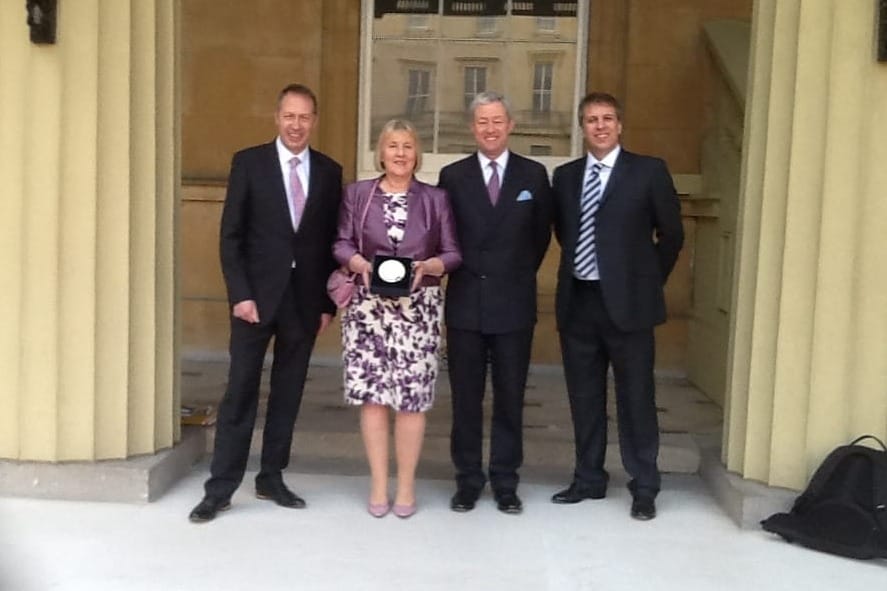
In fact, I have got some photographs of myself with the Queen. I can't remember where they are now. We were the only college that was nominated at that time for the Queen's Award for Excellence in Education, and we got to go up to Buckingham Palace and receive the award. It was a real high. A lot of it was also in connection with the work which was being done by the college at the Royal School of Military Engineering as well, which was a unique tie-up. It benefited the sappers, but it also benefited the college students.
I must confess I thought they were pulling my leg on the slow worms
Were you part of the governors when the decision was made to move from the City Way and Horsted sites to Gillingham?
It was called Medway Vision. That was the subcommittee, and we had so many things to manage. We'd found slow worms on the site, which stopped us from being able to work. We then found the tunnels underneath Horsted, and what were we going to do about these tunnels? You couldn't open them up because they were full of asbestos, because I said, “Maybe we'd have a multi-story car park.” But every time you had a meeting, something different seemed to come along.
I must confess I thought they were pulling my leg on the slow worms, but no. I believe we found it was something like 200 slow worms, and I think it cost us £1.8m to redirect them to somewhere else.
The Horsted site was quite a large piece of real estate. Why couldn't that be redeveloped and built on, rather than going to a completely new site and building there?
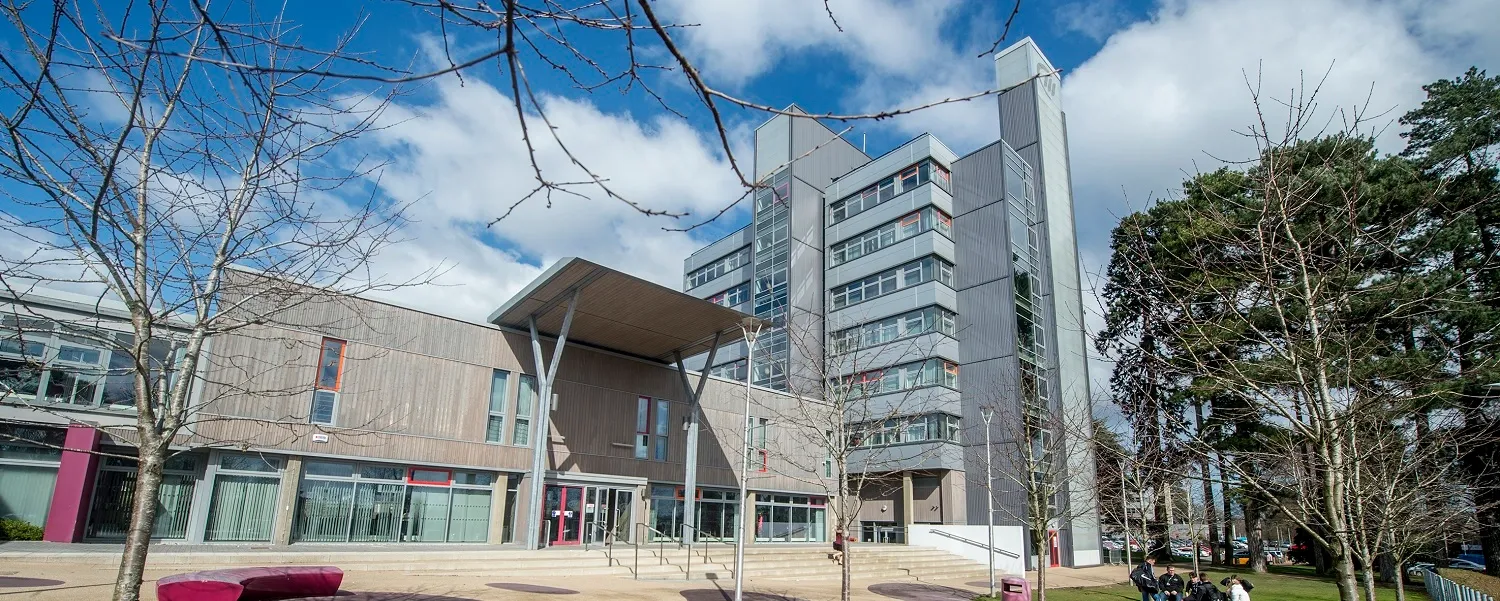
The links for getting students to Horsted were quite difficult where it was situated. We also had the opportunity to have the site down there, which did fit well with the Royal School of Military Engineering and everything. We had adequate parking because nothing upsets local residents like student parking. It just fitted. It meant we could also develop the three fingers. We've got the auditorium for the stage, which is professional standard. Everything we could do was to the highest standard. We felt it better that we did it as a new build. Horsted was tired, and we had Rochester, but they weren't close enough to link up. We wanted to get everybody on one site, and that was one of the other reasons that we did what we did.
What does a magistrate do?
The easiest way is to say that we are a judge. The magistracy goes back hundreds of years. We sit as three magistrates together. We have no jury, whereas obviously in the Crown Court, you have a judge and you have a jury. Everything starts in the magistrates’ court. Every single offence will come into the magistrates’ court, and it will then be decided whether it should be heard in the magistrates’ court or whether it should go to the Crown Court. The defendant has the right to say where he or she wishes the case to be heard, or the magistrates whether or not they feel they have sufficient powers. Sometimes, what we might say is this is not a complicated case, so we can deal with it, but we reserve the right to pass it to the Crown Court for sentence if the person is found guilty, and we feel our powers are insufficient. We are people from the community. We do not have a legal background.