“Intent matters and reception matters”
What we asked Sunder Katwala, Director of independent think tank, British Future
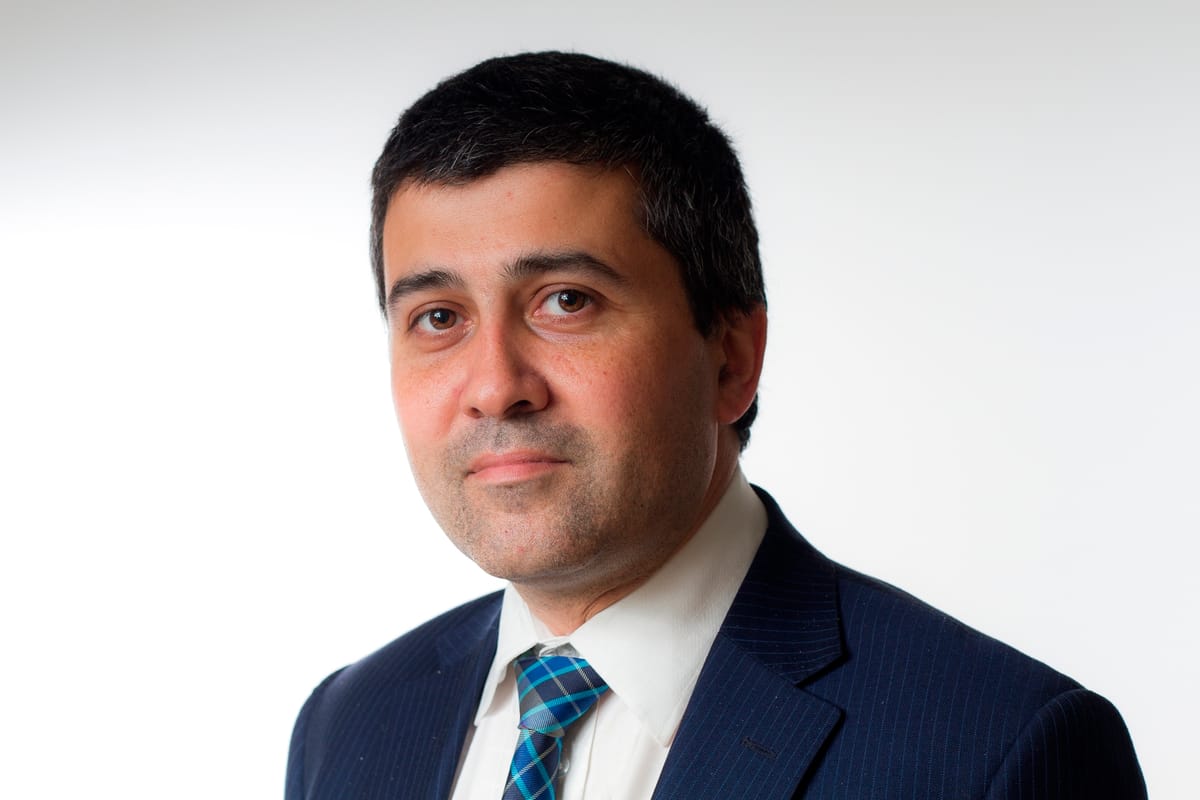
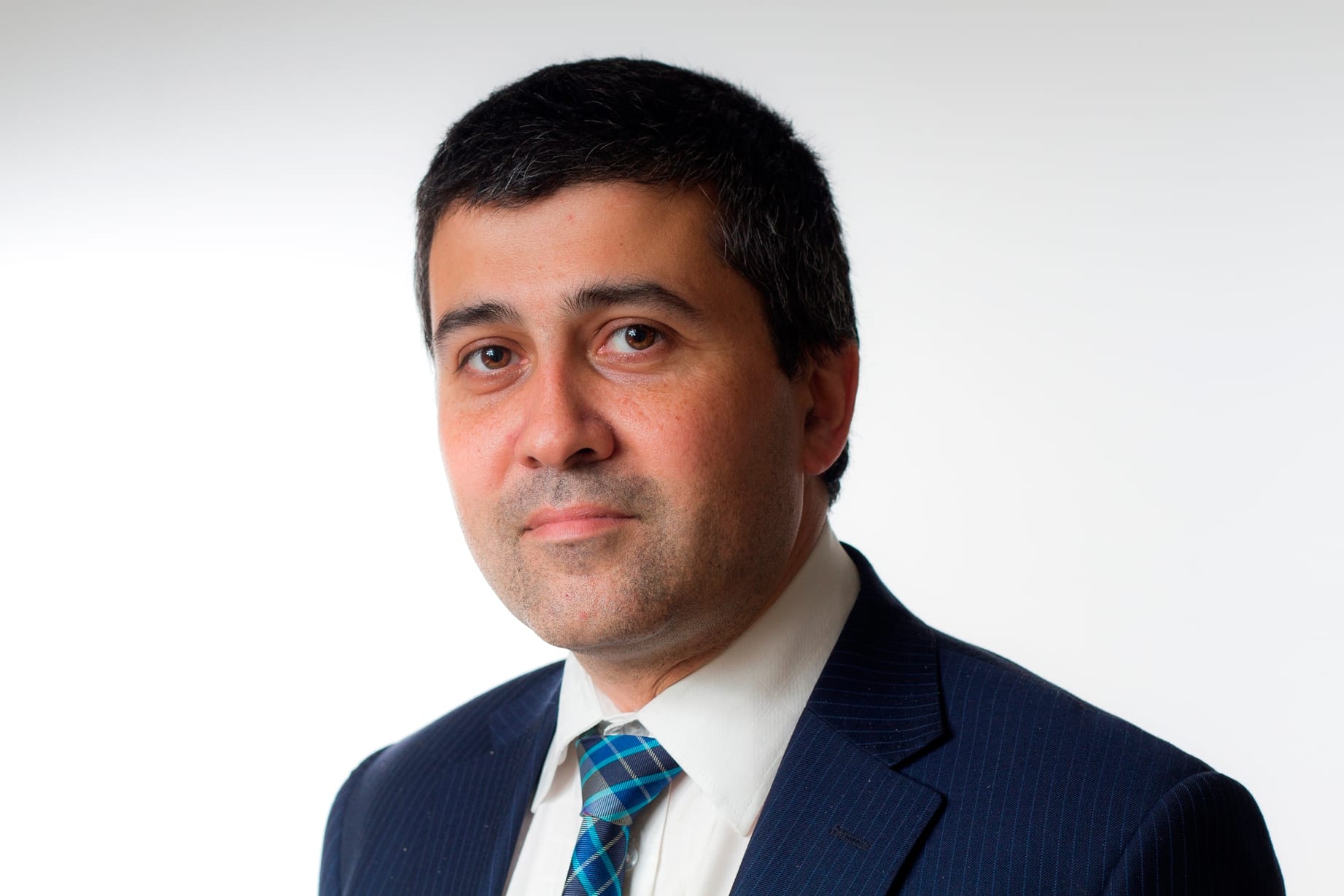
Sunder Katwala is the former general secretary of the Fabian Society and is now the Director of British Future, a non-partisan think tank. He is also prolific on BlueSky. Steven met him at a cafe in Dartford where they talked about what it means to be non-partisan, who the anxious middle are, and if, as a PPE graduate, he is part of the problem...
What is your official occupation?
I'm the Director of British Future, which is an independent non-partisan think tank. It's a charity and it works on issues of identity.
Do you have any other additional roles, paid or unpaid?
I do some freelance journalism.
You were formerly the chair of the Fabian Society?
I was the general secretary of the Fabians. That was 2003 to 2011. British Future was a start-up just after I left the Fabian Society. I've been doing this since 2012.
How would you explain what a think tank is?
There are lots of different think tanks that do different things, doing some research. It might be research about public policy. We've got think tanks that might specialise in an area, like the Institute for Fiscal Studies. The Fabian Society was created in 1884. It's probably the world's first think tank. Later on, in the post-war era, different parties are thinking, 'What have they done and how do we do that?' The Fabian Society is an example of a think tank that's got a view. It's created this idea with the left, or socialism as they would have called it, and they end up creating things like the London School of Economics or the Labour Party. Think tanks are about ideas and policy, but they're also the bridge, because other people are doing research in universities and so on. Often, they're the bridge between the ideas and the research and the practitioners and the policymakers, the civil servants, the politicians, the media. You're a bridge between how ideas turn into discourse and policy.
We're particularly interested in the issues that might get very heated and how we can diffuse some of the unconstructive polarisation
What does it mean to be non-partisan?
We're non-partisan, but we've got a set of values. British Future is interested in something I hope most people could want, which is that in a fast changing and diverse society, we're looking for common ground and identity issues can divide and split people. Immigration, asylum, race relations, identity, we've got to, in a sense, be interested in the different views and the clash of ideas. But we're particularly interested in the issues that might get very heated and how we can diffuse some of the unconstructive polarisation and do something constructive about it. We're all coming from a set of small-l liberal values that, for example, the diversity of modern Britain, the British future, is going to have people of different ethnicities and faiths in it. That decision wasn't only made in 1948 or 1968, but that decision has been made.
How do we make it work well now? We're interested in the engageable people. I've got difficult or challenging views of that. People have got very positive views about that. We actually like to help them think about how to talk to people who aren't where they are. Because you can get a bit of a divide. If you're at a university somewhere thinking, it's all brilliant, isn't it, diversity, change, bring it on. We're interested in helping people who, in a sense, are thinking about the diversity of a changing Britain, and build our confidence as a society.
Coming into Dartford, there are still flags on the lamp posts. Where do you stand on that?
I'm very pro-flag. But flags have different meanings, they're done for different things. We've got the Christmas lights now, but before the Christmas lights went up, we had very nice triangular bunting for St. George's Day. I think we've had it all the way since St. George's Day and the Lionesses and so on. That's the type of bunting with English life on it that you'd be very happy with. My daughter and I got the train to Wembley and watched the Lionesses beat China 8-0. You'd have been very confident when she had her flag with her. You'd be very confident about what the flag meant in the context of all the 7- to 11-year-olds and 14-year-old girls watching England.
There hasn't been that much protest in Dartford. There was one gathering at the station and down to the library. There was a little counter-protest. After that, we had on our road sign a wonky red sort of cross, quite an ugly thing. But we actually, when the Lionesses were going, we actually have face paint on in our house. The thing on the road, the thing on the street sign and the face paint makes the same symbol, but it's got an entirely different meaning. So intent matters and reception matters. The lamp posts are slightly sad, I think. For start, you can only get halfway up. They look a bit droopy, look a bit wet, look a bit half-mast. Obviously, if I put a flag up in my house or in my car, I'm choosing to do it. Someone's done it for everyone to mark the territory. There'll be some people who, when they heard about that, they thought, 'Oh, that's nice.' There's definitely organised groups of people thinking, 'This is ours.'