“Canterbury is the natural heart of Kent”
What we asked Alan Baldock, Leader of Canterbury City Council
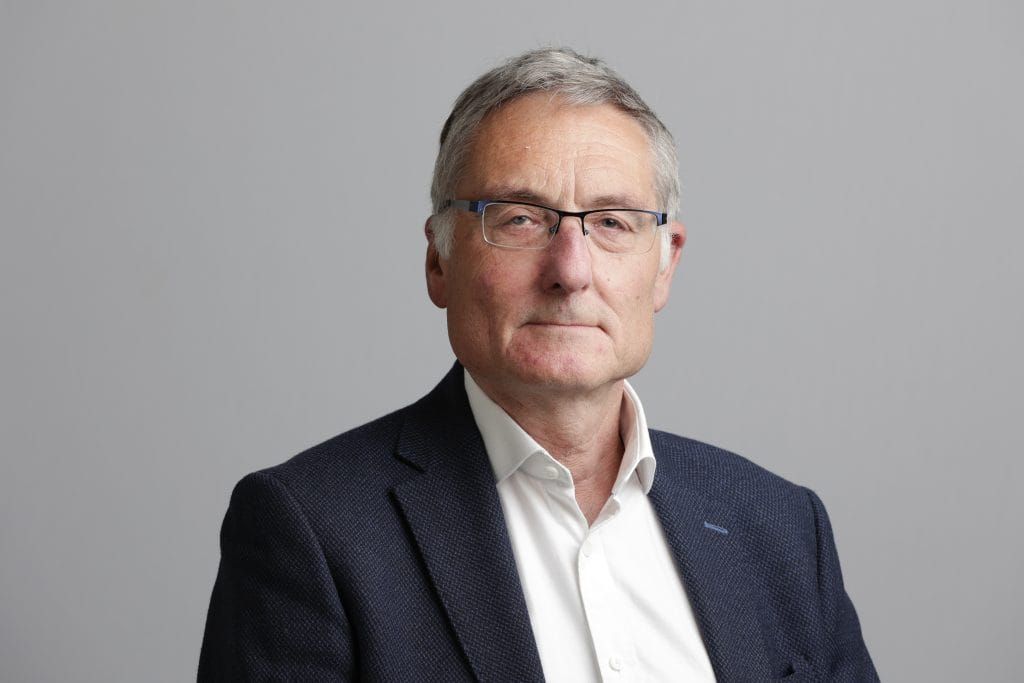
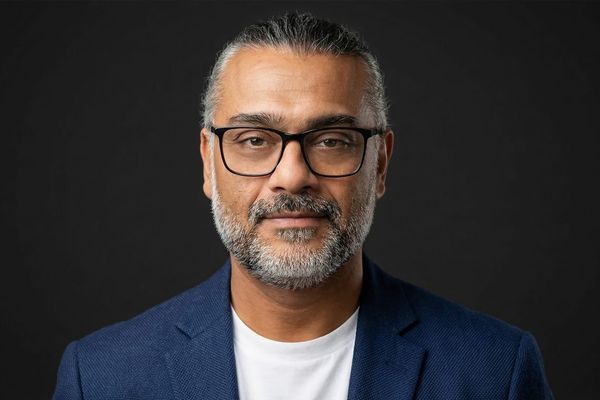
Councillor Alan Baldock has led Canterbury City Council since Labour emerged as the largest party at the 2023 local elections. Steven met him to discuss the collapse of his administration’s deal with the Liberal Democrats, Canterbury’s uncertain future under local government reorganisation, his work with independent MP Rosie Duffield, and the compromises that come with leading a council.
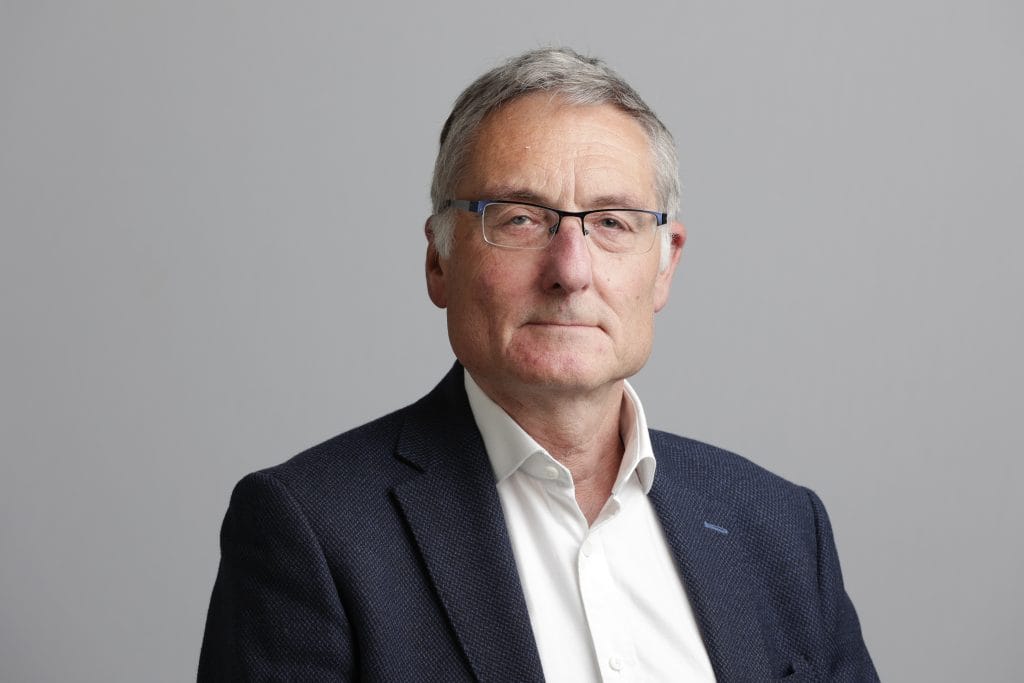
Alan Baldock is the Labour leader of Canterbury City Council, but like most district council leaders, it is not his only job.
“We don't make enough money from just being Leader of the Council.”
He also works as a self-employed consultant on high-voltage power networks. “I help some local companies to install new substations on housing estates and factories, which is what I used to do for a living.”
Born in Canterbury to local parents, Alan describes himself as neither “massively happy or massively miserable” at school. He left at 16 for an apprenticeship, discovered he was not a particularly good electrician, and moved into the electricity supply industry, where his father had worked as an overhead linesman.
First elected in 2011, Alan is now serving his fourth term as councillor for Northgate.
“It's an area with mixed fortunes, with quite a lot of social housing and areas of need and deprivation.”
But he is keen not to define Northgate only by deprivation.
“I live in the ward, and have done pretty much all my life. I would be somewhat biased in thinking it's a good place to live.”
His enthusiasm extends to the city more broadly. Canterbury, he thinks, is “the natural heart of Kent.”
With Medway, the coast and Romney Marsh all within reach, “it always feels like the right place to be, the focus of Kent, much more so than what Maidstone is.”
After the 2023 elections, Labour became the largest party on the council, and Alan became leader.
“We had 18 out of 39. That's not a majority, but it's the largest.”
Without a majority, Labour entered a working arrangement with the Liberal Democrats, “which we had for a while until they walked away a few months back.”
Liberal Democrat leader Mike Sole served as deputy leader of the council, with the cabinet split between six Labour and three Lib Dem councillors.
Alan is cautious about revisiting exactly why the arrangement ended, stressing that the parties still have a working relationship.
“I think the fairest thing to say is that there were tensions and the trusting relationship between us broke down.”
“The tensions were, I think, building for some time. The administration was getting too tough, awkward, and there were difficult decisions to make. That is part of being a local authority, and part of being a leadership team is making decisions that will not necessarily be very popular.”
Many of those difficult decisions involved planning and the local plan.
“Putting themselves in the frame and becoming a bit unpopular wasn't what they wanted to do.”
Does he think he made unreasonable demands of his former partners?
“No. You will have seen many of the things that were written about it. They were said in a conversation that was in confidence. I said what I said tactically. If you can't trust what you say in confidence to your fellow leader… There's nothing wrong with having those arguments, and we would have done a year before.”
“Be careful how you write that, because I think we do have a working relationship with Lib Dems and they're fine, but it's making those tough decisions.”
Alan joined Labour after spending too long “shouting at the TV” and deciding he should get involved instead.
It was during the Tony Blair years. “I think that centre-left politics of the Labour camp is where I fit most comfortably. Fairly well left of centre to be quite honest.”
Of the Labour leaders he has known since joining, Alan rates Blair most highly.
“I think the one that's had the most influence on the world. With a long time in office, you can achieve so much.”
Though he adds: “I don't think too much about the leader.”
Politics is a horrible place to be in at the moment. Regardless of your party, it's not nice.
Once he started attending meetings, “I felt comfortable with what the Labour Party offered, and I felt I could associate with it.”
Others encouraged him to stand for the council. “More practical than shouting at the telly and just having a lot of good ideas and not doing anything with them. They might be bad ideas, mind you.”
He was elected and has kept being returned since. “I've been lucky enough for people trusting me a few times now.”
But he thinks it is a difficult moment for anyone entering politics. “Because politics is a horrible place to be in at the moment. Regardless of your party, it's not nice.”
Alan says he has had to grow a thick skin and “toughened up”, while recognising that others find the pressure much harder.
“You can forget it sometimes. It doesn't really matter so much to you, but it does matter to somebody who has tried to be elected.”
“They try hard, because you don't want to fail. You don't want to not be elected. Nothing's guaranteed. It's the people out there that make their choice.”
What is it about Canterbury that has made the city increasingly receptive to Labour?
“It's a tolerant place, open and very mixed.”
Its mix of nationalities and beliefs, Alan thinks, makes “Canterbury a better place to be”, before adding: “that's a bit pie in the sky, airy-fairy thinking, but it's all about the people that live here.”
Canterbury also elected Rosie Duffield as a Labour MP before she later left the party. Does Alan still have a workable relationship with her?
“We get on. We're okay. As a leader of the council, I need to work with our MP. Of course I do.”
He was annoyed when Duffield left Labour, but is pragmatic about it.
“But you get over it, and you get on, and life moves along. That's her choice. And people will make their choice when she comes up for re-election. But for now, we work together.”