“I described Kent as a thousand silos of awesome”
What we asked George Matuska, Learning Disability and Autism lead at NHS Kent and Medway Mental Health
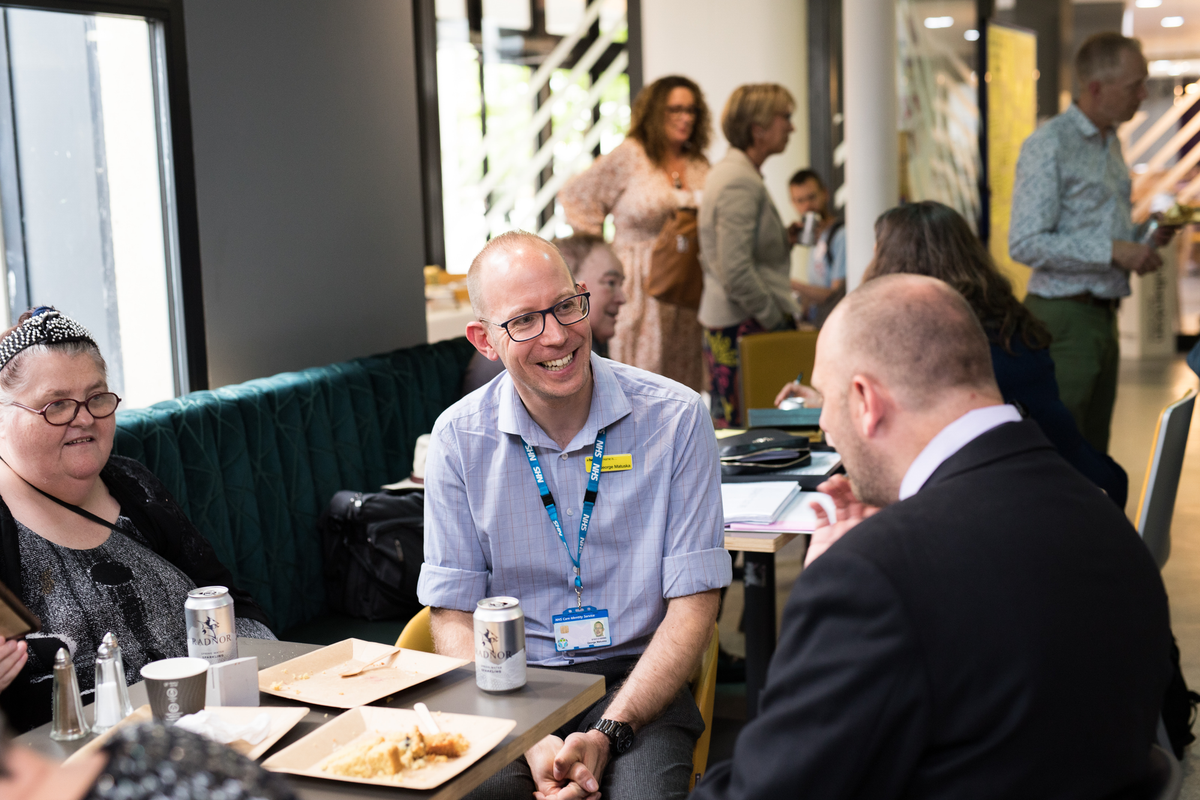
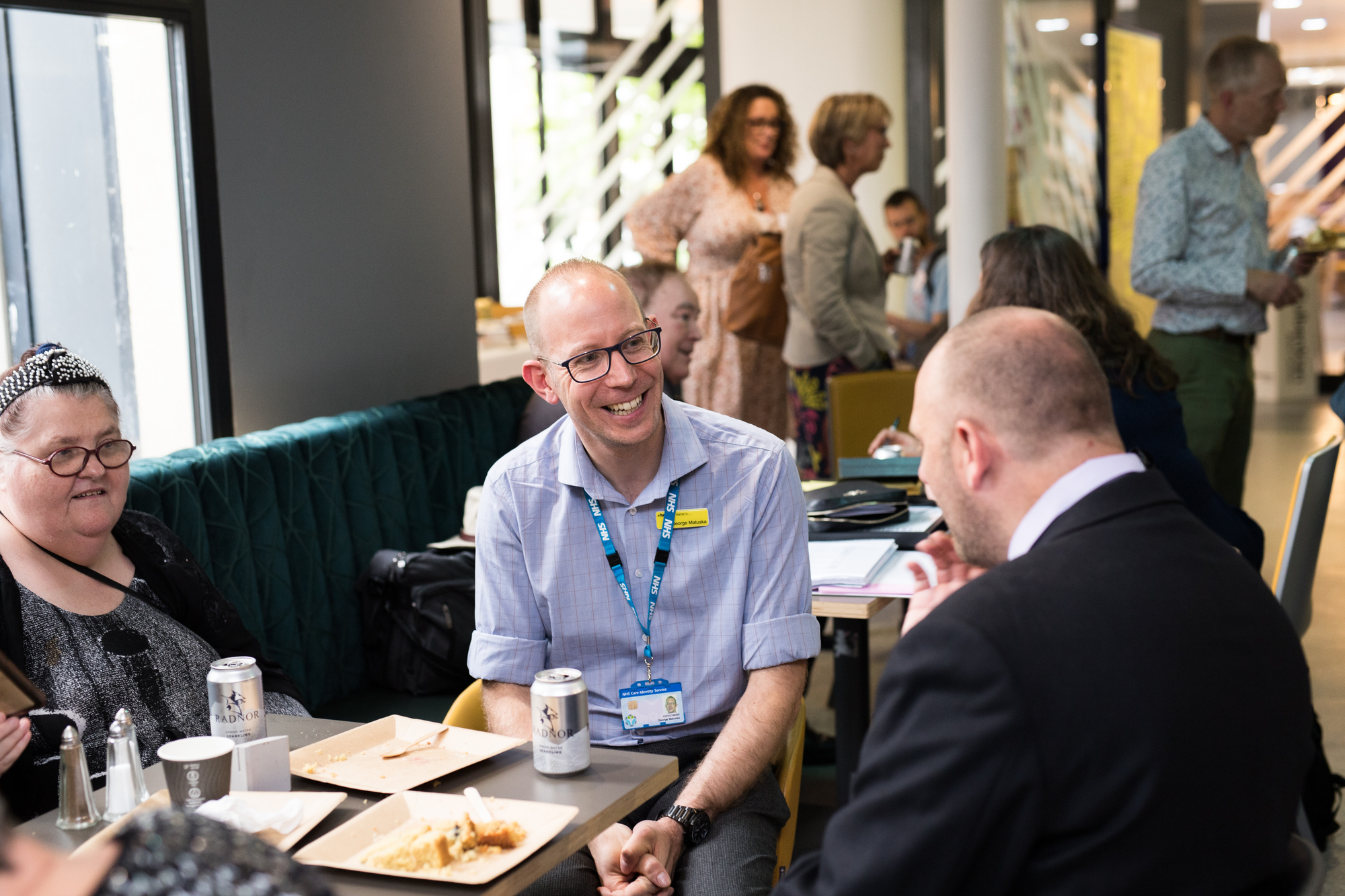
Following a recommendation from a reader, Steven met with George Matuska via Zoom to discuss learning disabilities, being a Florence Nightingale Foundation scholar and the government's new National Autism Strategy.
What is your official occupation?
I am a learning disabilities nurse.
Do you have any additional roles, paid or unpaid?
No, all of my roles relate to being a learning disability nurse.
I have two substantive posts and then two honorary roles. My substantive role is working in the mental health trust. I'm their lead for Learning Disability and Autism. I also work two days a week for the Integrated Care Board. They call themselves NHS Kent and Medway. They're the people that pay for our NHS services, and I'm their all-age clinical lead for Learning Disability, Autism and ADHD.
Then I have two honorary roles, one with Canterbury Christ Church University. I do guest lecturing for undergrad nurses and post-grad trainees who are doing various courses around learning disability, autism and leadership. I've also got a visiting lecturer role with Kingston University.
I have a particular interest in workforce. I've been doing some workforce discussions, but I also do some teaching and guest lecturing for them as well.
What is a learning disability?
A learning disability is a developmental condition. This is a condition that presents either before you're born, during the birthing process, or during the development of the brain. The definition has evolved over the years. In the past, they used to define it as a group of individuals with an IQ of 69 and below. Within that was three groups. People with a mild learning disability, that perhaps needed little to no support to live a good life in the community and maybe live independently. People with a moderate learning disability who perhaps need a little bit of support to live a good life, that might be around their finances or around organising their life or things like that. People with a severe learning disability that perhaps need full-time support, maybe live in care homes or supported living settings.
Then we have a group, and these are all clinical definitions, called profound learning disability. That would be someone that has a lot of physical needs as well. Perhaps requires 24 hour support, someone to help them with their eating, their drinking and all elements of their life.
A real continuum. In essence, it covers lots of different conditions. Your readers will be familiar with perhaps Down syndrome as a term, because that's perhaps better well known. Some people with Down syndrome will also have a learning disability, but not all people with a learning disability will have Down syndrome. But it's an example of a condition that could have a learning disability.
Why do people with learning disabilities need their own nurses?
We as a profession came into being about 100 years ago. It was identified at the time, and clearly, things have evolved. There were a group of people that needed that additional support. Originally, it was psychiatry that would have been supporting. But as things evolve, you see the nursing profession take on more and more of that medical role. We had a group of people that had a specific set of needs that weren't well met by our children's nurses, our mental health nurses and our adult nurses. Predominantly at that time they would be living in institutions and long stay facilities. That's what we did as a society. The nursing profession was born from that need. It has evolved over the years.
We had Margaret Thatcher running with the agenda of moving people to living in the community and shutting down long-stay institutions, and my profession evolved with that. We moved into more of a community nursing field. Over the last 15 years, there's been a real push. We still had a lot of people who were in mental health hospitals who arguably weren't mentally ill, but had found themselves there maybe because they were distressed or they presented with challenges that had been misinterpreted.
It’s 2% of the population, but with a high set of needs that needed that specialist workforce to wrap around them to help them live the good life that they deserve and want.
If it's a learning disability, how does that present pre-birth?
It could be that someone has a genetic condition. For example, Down syndrome has a number of forms. The most common one is Trisomy 21, which is an additional chromosome that leads to you having Down syndrome. That is something that occurs as either you've inherited, therefore it's before you're born, It could be as a result of a mutation of the genes during the sperm and the egg multiplying and growing into a zygote and then a foetus. Sometimes it can be a little bit of one chromosome breaking off and attaching to another one. That's just one example, but there are thousands of genetic conditions that you could potentially inherit or happen as a mutation before you're born, while you're developing as a foetus.
But equally, there are lots of things in our environment that a mum might come across during that developmental stage that equally might change the way the DNA is developing and then lead to someone presenting with a learning disability. It's not just genetic conditions, but we know there are a lot of genetic conditions that have a learning disability associated with them.
There are a group of children that I am concerned about that maybe we're not diagnosing
Why are more people diagnosed with learning difficulties?
Is there an epidemic of overdiagnosis?
No, it's actually the opposite. The data would say there are as many people born today with a learning disability as there was 10 years ago. But what we do know is that many people are thriving into adulthood, which arguably wasn't happening as much. We also know that we were the first country in the world to undertake looking into why people were dying prematurely within our systems on the back of an ombudsman report from a Bristol hospital trust.
What we've discovered is people die prematurely because we're not effective at supporting them. We have as many people today as we would have done, but they were dying prematurely. There is a conversation that's starting to happen around identifying our children, because, of course, a child is a child. Unless they have a significant disability, and we can identify them at a young age, it might be that schools are saying, 'That child might grow out of it.'
There are a group of children that I am concerned about that maybe we're not diagnosing, that perhaps if we did, we could get them better support as a child and they might not have as many challenges in adulthood.