Kent and France want to become a geopark
A shared geological history, plus £700,000 spent on a cancelled waste facility and Kent’s new town that still doesn’t exist
Kent and northern France are hoping to become a single UNESCO Global Geopark, celebrating a geological connection that predates the English Channel itself. We look at what the designation could mean, alongside KCC's decision to abandon a waste facility after spending more than £700,000 developing it, and the latest small step towards building Otterpool Park, Kent's long-promised new town.
Kent and France want to become a geopark
Kent's relationship with France has always been complicated. For centuries, we've traded with each other, fought each other, invaded each other and, more recently, argued about how many lorries should be allowed through Dover. Now, in a rather more harmonious development, the two sides of the Channel are attempting to become one internationally recognised geological attraction.
The Cross-Channel Geopark is seeking UNESCO Global Geopark status for a landscape stretching from the Kent Downs across the English Channel to the Parc naturel régional des Caps et Marais d'Opale in northern France. If successful, it would place some of Kent's most recognisable landscapes within an international network of sites celebrated for their geological importance.
The project reached a significant milestone in July, when two UNESCO assessors spent five days examining the proposed geopark. They visited locations across Kent and northern France, meeting conservationists, scientists, tourism businesses and community organisations to establish whether the bid deserved international recognition.
Kent County Council this week highlighted the application's progress, with a decision expected next spring.
The reason Kent and France belong in the same geopark goes back further than the Norman Conquest.
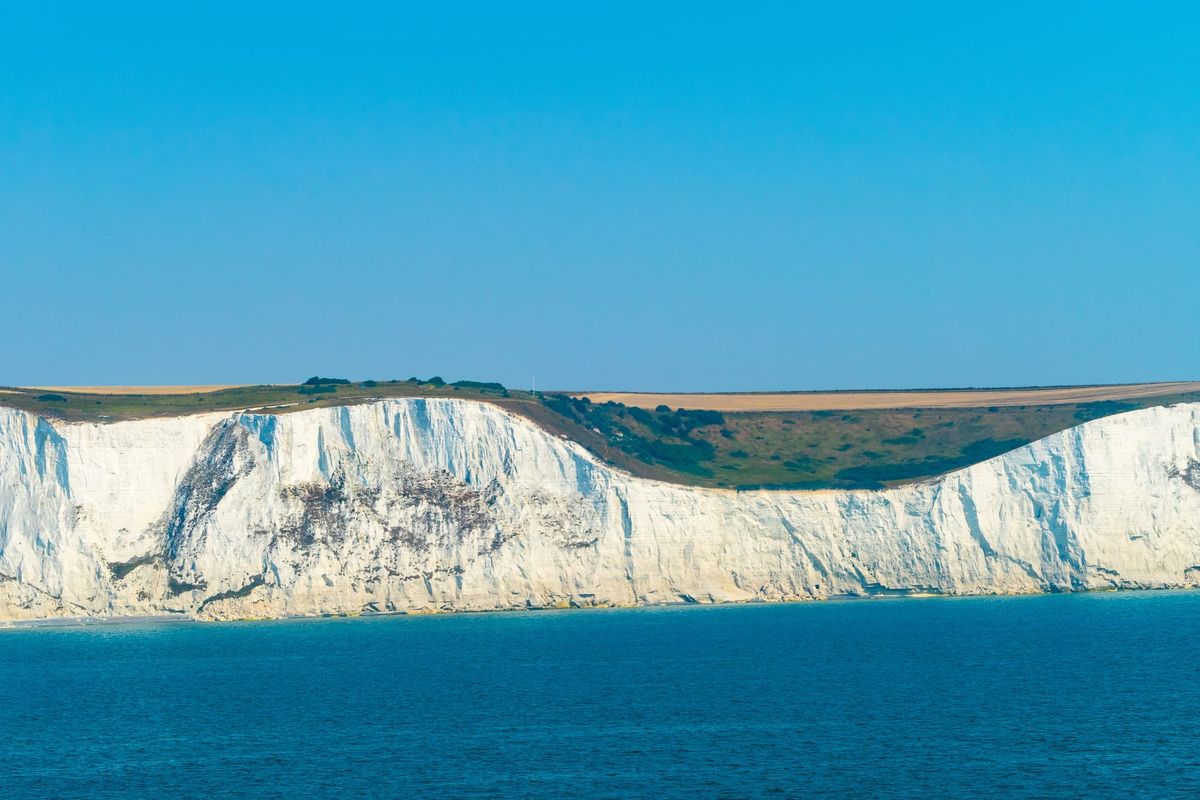
Around 450,000 years ago, Britain was connected to mainland Europe by a ridge of chalk stretching between what are now Dover and Calais. Scientists believe an enormous flood helped breach this natural barrier, carving out part of what eventually became the English Channel.
Subsequent changes in sea levels repeatedly connected and separated Britain from the continent, before the final separation roughly 8,000 years ago.
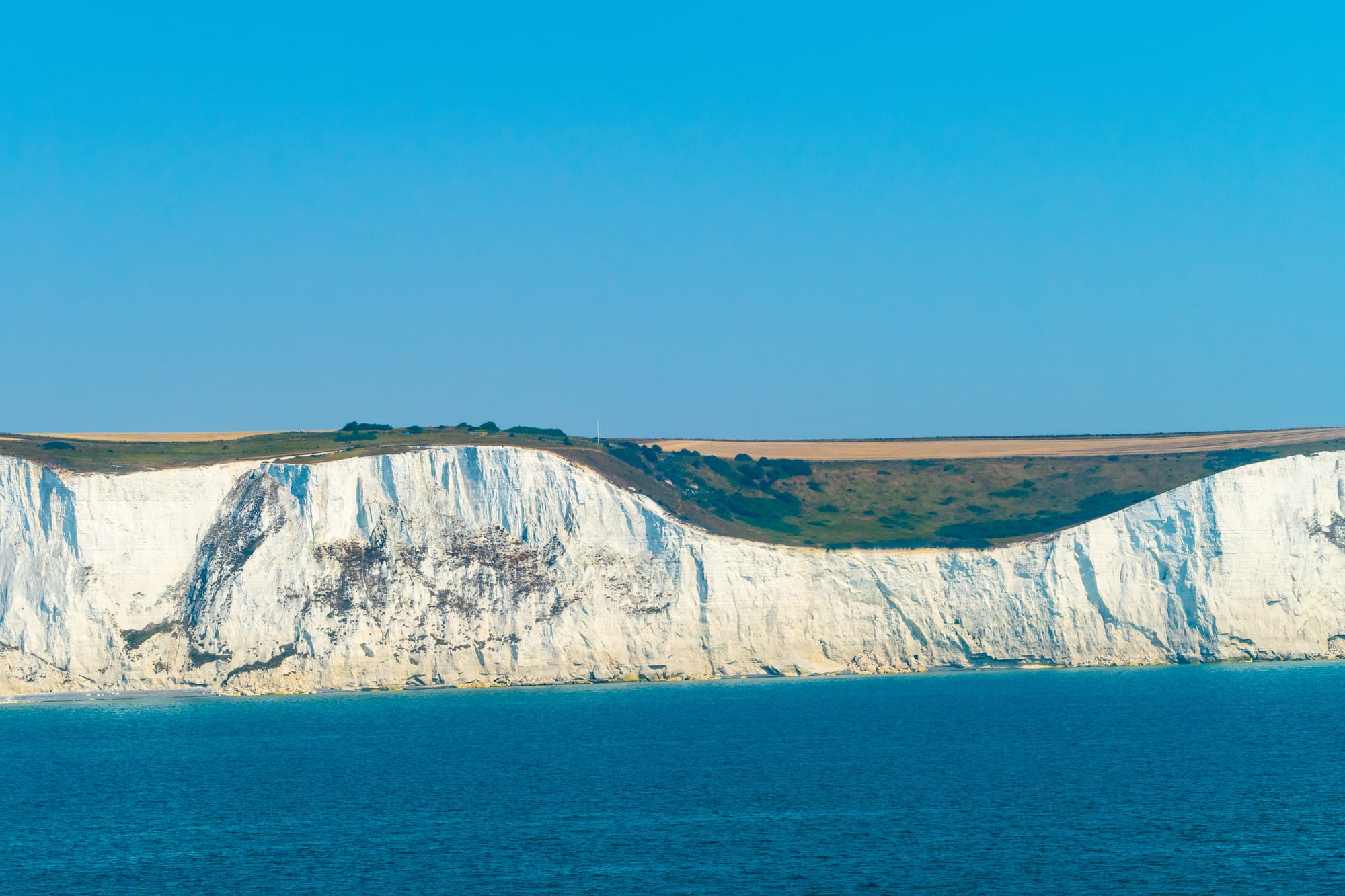
The chalk cliffs on either side of the Channel are therefore not simply similar-looking landscapes. They are surviving pieces of the same geological formation, separated by a particularly dramatic episode of erosion.
As KCC explains, the geological connection has influenced everything from wildlife and water resources to the development of human settlements.
Despite the name, a UNESCO Global Geopark isn't necessarily a park in the conventional sense. The designation recognises areas of internationally significant geology, with an emphasis on education, conservation, tourism and sustainable development.
There are currently 241 UNESCO Global Geoparks across 51 countries, ranging from volcanic landscapes to ancient mountain formations.
Several already cross international borders. The Cuilcagh Lakelands Geopark spans Northern Ireland and the Republic of Ireland, while others connect Austria and Slovenia, Germany and Poland, and Hungary and Slovakia.
What makes Kent's application particularly unusual is that the proposed area includes a substantial stretch of sea rather than simply adjoining territory.
However, UNESCO recognition is not the same as establishing a national park or introducing another layer of planning restrictions. The organisation makes clear that geopark status does not create a new category of legally protected landscape.
In practical terms, the anticipated benefits come from international recognition, education and attracting visitors, rather than additional powers to prevent development.
There is also the question of what the designation would achieve that the existing Kent Downs National Landscape does not.
The organisations behind the project argue that bringing together tourism businesses, educational institutions and conservation groups on both sides of the Channel could create opportunities that do not currently exist.
In March, partners in Kent and Pas-de-Calais launched a sustainable tourism group, supported by the British Embassy in Paris, to develop joint visitor experiences and encourage tourism that benefits local communities.
Eurotunnel is also involved as a founding commercial partner, alongside the Port of Dover and other businesses.
Kent Downs director Nick Johannsen says the effort has already attracted investment and encouraged new partnerships, even before a final decision.
"The ambition to secure UNESCO Global Geopark status has been long-standing and strongly supported by Kent County Council and many other partners in Kent and in France," he said.
The application was formally submitted last November and is now undergoing UNESCO's evaluation process, with a decision expected in spring 2027.
Whether the designation would meaningfully transform Kent's visitor economy is another matter. UNESCO recognition provides a useful international platform, but there is no guarantee that putting another designation on a landscape will automatically bring substantial investment or more visitors.
Still, the ambition is appealing. At a time when discussions about the Channel are frequently dominated by migration, border controls and traffic jams, there is something refreshing about a project based on the idea that Kent and France have far more in common than the water separating them.
Even if that common ground is, quite literally, buried beneath the sea.
KCC abandons plans for new waste facility after spending over £700,000 developing it
Kent County Council has abandoned plans to build a waste transfer station near Junction 11 of the M20, leaving more than £700,000 in development costs to be written off.
The decision, approved last month, reverses an earlier commitment to construct a council-owned facility to handle household waste collected across Folkestone and Hythe.