Kent’s future depends on getting connected
From electric ferries and new homes to data centres and contested power cables, Kent's ambitions are running into the limits of its electricity network

Kent wants more homes, new businesses and cleaner transport, but the electricity network needed to support them is struggling to keep pace. From plans for electric ferries at Dover to a vast data centre at Ebbsfleet and contested power cables at Pegwell Bay, we examine how grid capacity is quietly shaping what gets built across the county, and why expanding it is proving so difficult.
Kent’s future depends on getting connected
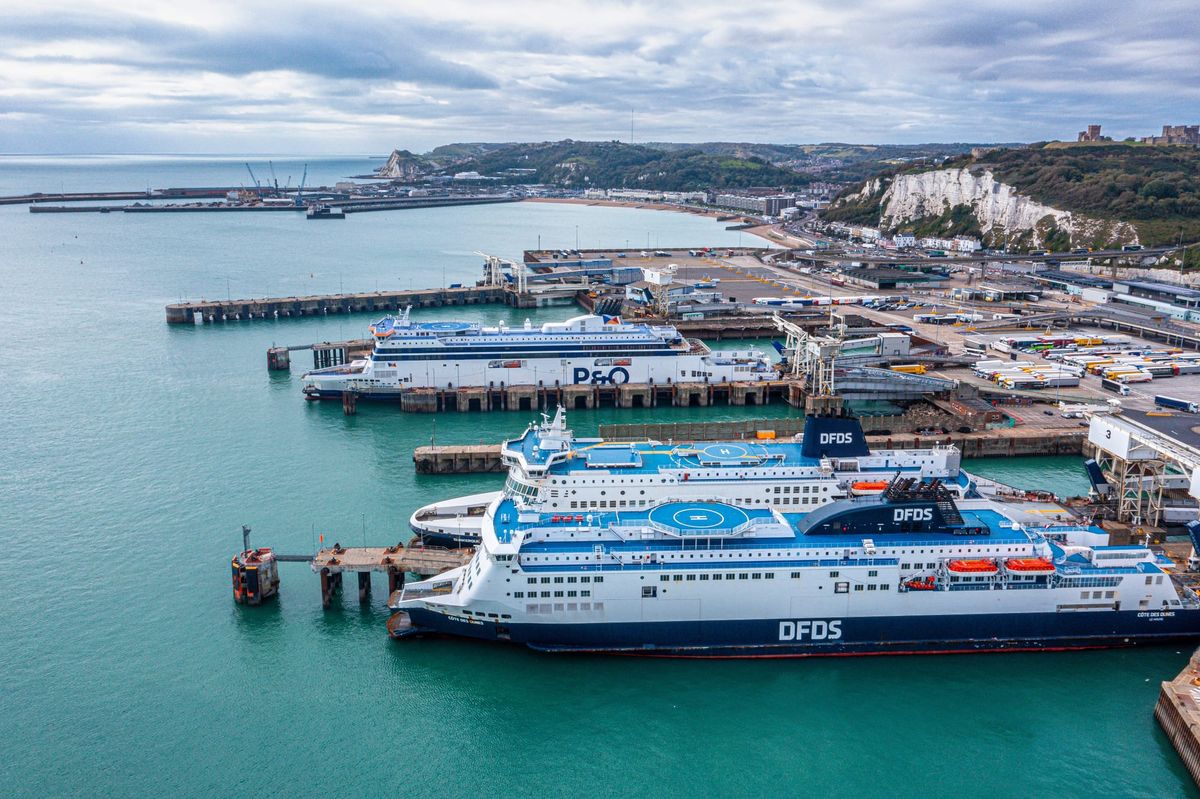
An electric ferry crossing the Channel would make a fairly visible statement about the future of transport. Providing the electricity to charge it would involve a much less visible undertaking, somewhere inland, involving substations, cables and people discussing connection dates. At Dover, those two parts of the operation are proving difficult to separate.
A 2023 study involving the port, ferry operators, universities and engineering companies examined what it would take to run a fully electric fleet of 13 ferries. It estimated an average power demand of 60 megawatts, rising to 162MW at its peak. According to a new Kent County Council energy paper, the port currently has a 4.5MW grid connection.
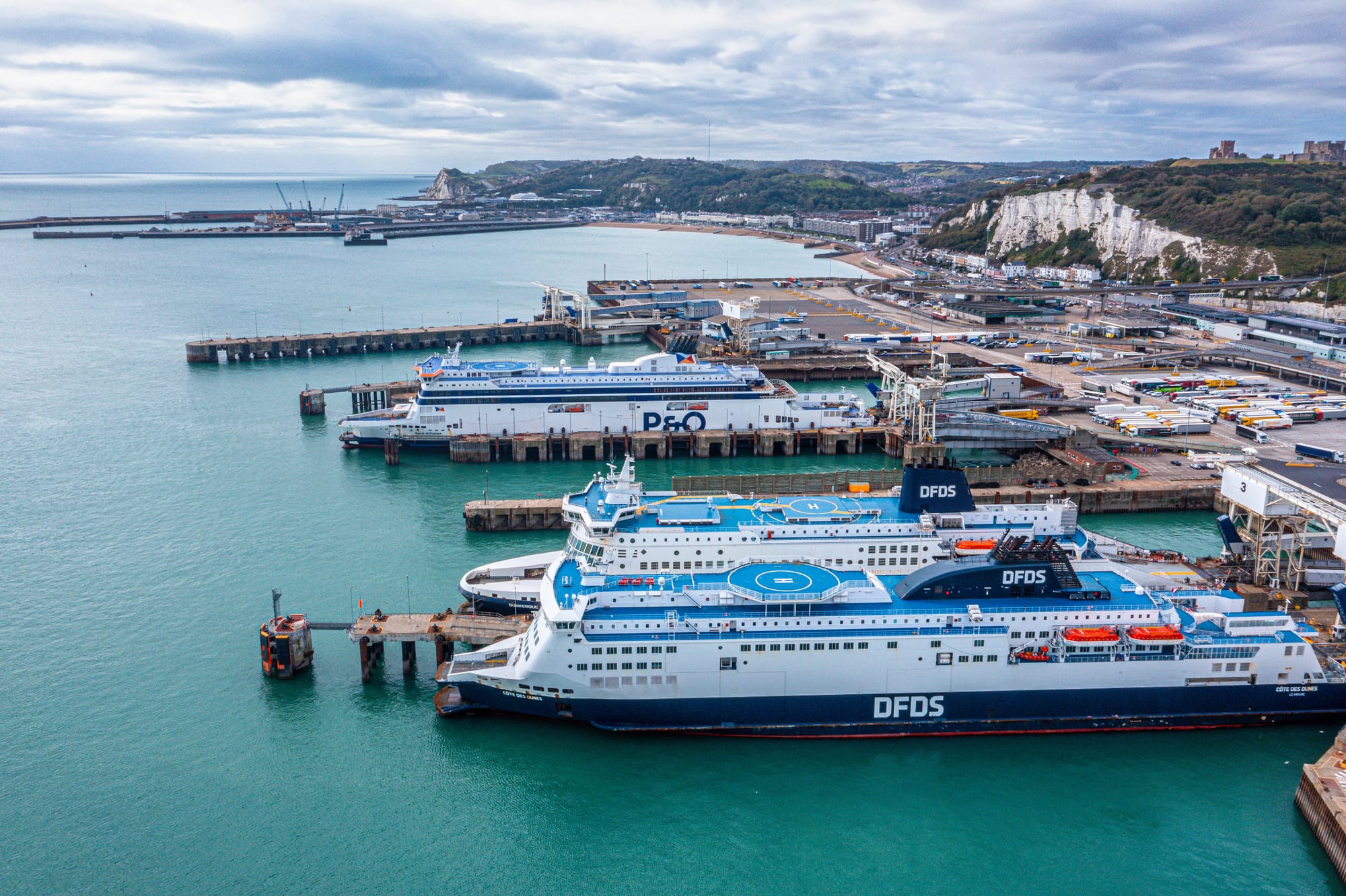
The figures describe a possible future fleet, rather than ships already ordered and waiting for somewhere to plug in. Even so, the gap between the existing supply and the potential requirement is substantial. The council’s paper says the earliest connection to the relevant substations is currently 2031 for projects already in the queue.
There is plenty to debate about how Dover’s ferry services should change. But moving an existing transport operation away from fossil fuels presents a useful complication for a county accustomed to arguing about development. Even if nobody built another house or data centre, changing how we power what's already here would still require its own infrastructure.
Across Kent, electricity connections are becoming part of the argument over the county’s future. They influence where a business chooses to locate, how a new community gets built and whether a renewable energy project can sell its output. Some of those decisions happen in planning committees. Others depend on engineering assessments and investment programmes that attract considerably less public attention.
No agreement has settled what should happen next. A developer proposing a data centre, a council promoting housing, a resident opposing a solar farm and a conservation charity challenging a cable route can have quite different priorities. The electricity network has to accommodate the consequences of decisions made across all of them, on a timetable that may bear little resemblance to anyone’s preferred opening date.
KCC’s own position illustrates the difficulty. Its solar policy, adopted in July, requires ground-mounted solar applicants to have secured a grid connection when applying and opposes development on the best agricultural land. It also says the council does not support grid-scale battery storage, while conditionally accepting batteries alongside solar schemes.
The council is now considering an energy strategy intended to address constraints and support Kent’s future economic and housing needs. That combination deserves scrutiny. Storage has a role in managing an electricity system, so a policy restricting it needs to sit alongside a credible account of what the council would support, and where.
That does not mean every battery proposal deserves permission. Nor can batteries fix every inadequate connection. But choices about the equipment we accept have consequences for the activities it can enable, and those consequences deserve as much attention as the objections.
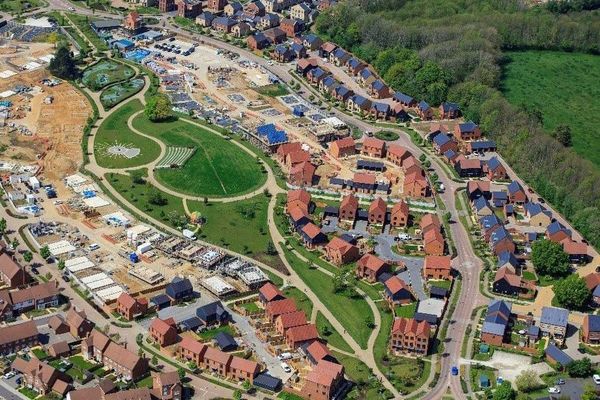
Ebbsfleet provides an unusually tangible example of what happens when the infrastructure gets built. A new grid site was energised to support up to 15,000 homes, schools and businesses, providing 77MW of capacity. The works included reconfiguring Northfleet East, installing two 68-tonne transformers and constructing a new switch house, as part of a £30m investment programme by Ebbsfleet Development Corporation.
This is a fairly literal version of infrastructure supporting development. Before anyone can move in, turn the heating on or charge a car, somebody has to arrange the unglamorous business of getting enough electricity to the place. Two enormous transformers are doing rather more to make that possible than another promise that infrastructure will come first.
There is further work ahead. The corporation’s current regeneration programme identifies funding opportunities being explored for connections and two additional primary substations serving Ebbsfleet Central and Northfleet Embankment West. Supporting growth requires a sequence of investments as different parts of a development advance.