Kent’s town centres are searching for a new purpose
Declining retail forces towns to look elsewhere, plus Bluewater facing bus cuts, South East Water payouts and subsidence risks

Kent’s town centres are being forced to find a new purpose as traditional retail continues to weaken, empty units persist, and councils look to housing, culture, leisure and public services to fill the gap. This edition looks at how places from Thanet and Ashford to Canterbury, Folkestone and Maidstone are responding. Plus potential bus reductions around Bluewater, South East Water’s expanded compensation fund for businesses, and new warnings over climate-related subsidence risk in Kent.
Kent’s town centres are searching for a new purpose
In Thanet, the council is preparing to step in where the market has failed. Shops left empty for long enough may soon have new tenants found for them.
In Ashford, the answer is more brutal. Park Mall, once part of the town’s retail future, is being pulled down.
These are very different responses to very different problems. One is about filling vacant units. The other is about deciding what should replace an entire shopping centre. Together, they point to the same awkward question.
What is a town centre actually for now?
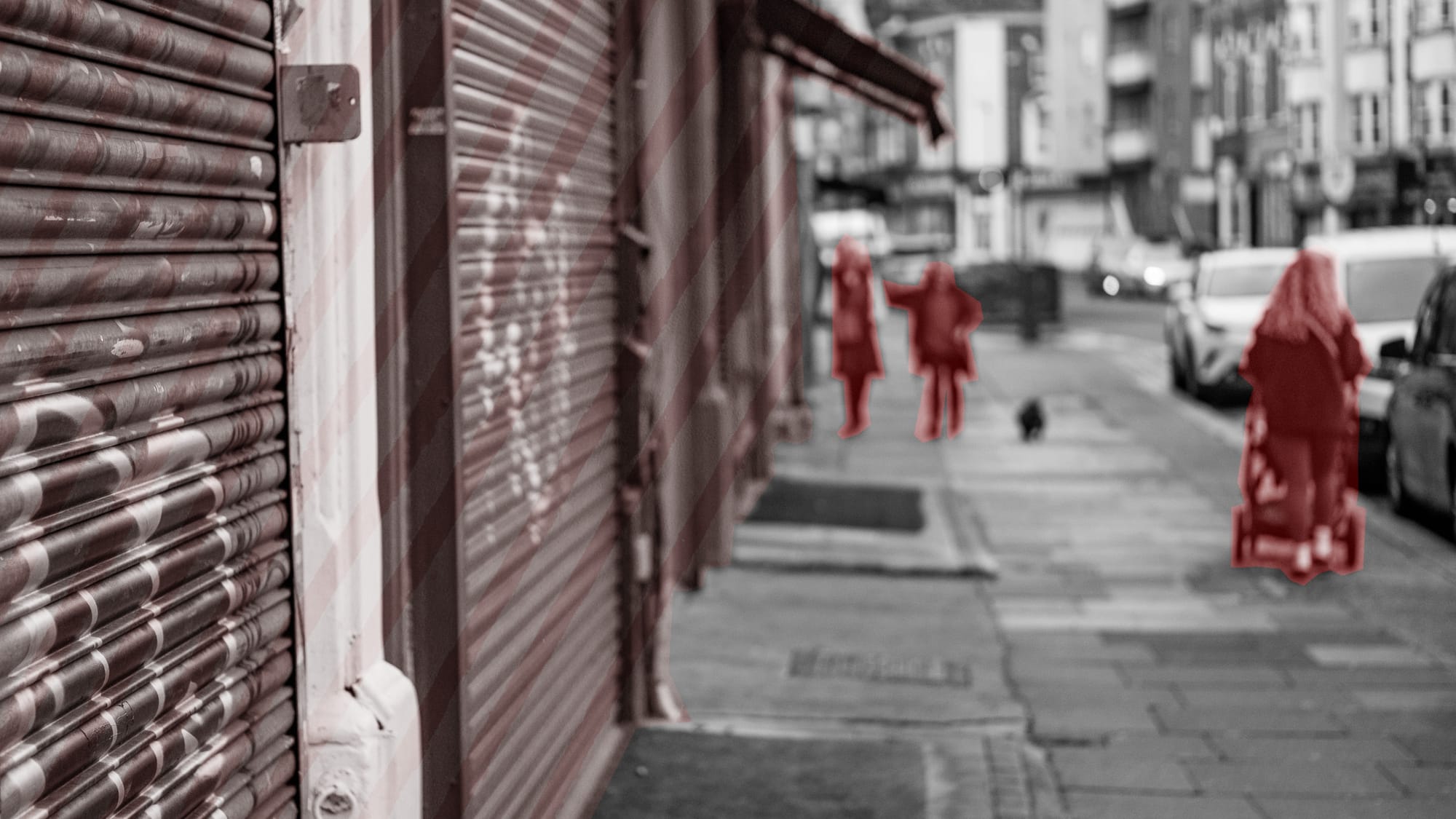
For much of the last century, the answer was simple enough. If you needed something, you went into town to buy it. The high street was where you opened a bank account, bought a birthday card, picked up a new shirt, visited the post office, browsed the bookshop and stopped for a coffee. Shopping was not the only reason people went there, but it was usually the main one.
Today, that assumption is being rewritten across Kent.
Different towns are trying different approaches, but the underlying challenge is the same.
The old model began to break long before covid. Online shopping steadily ate away at sales. Out of town retail parks offered free parking and larger stores, and national chains consolidated. Banks closed branches as more customers moved online. Department stores, once the anchors of town centres, became much harder to sustain.
By April 2026, online sales accounted for 28.1% of all retail sales in Great Britain. The figure moves from month to month, but the wider point is harder to ignore. More than a quarter of retail spending now happens away from the shopfronts that many town centres were built around.
Covid accelerated the shift. Hybrid working reduced the daily flow of office workers through some centres. Households under pressure had less money to spend. Large chains that had once drawn people into town disappeared altogether. Town centres did not collapse overnight. Instead, they hollowed out gradually.
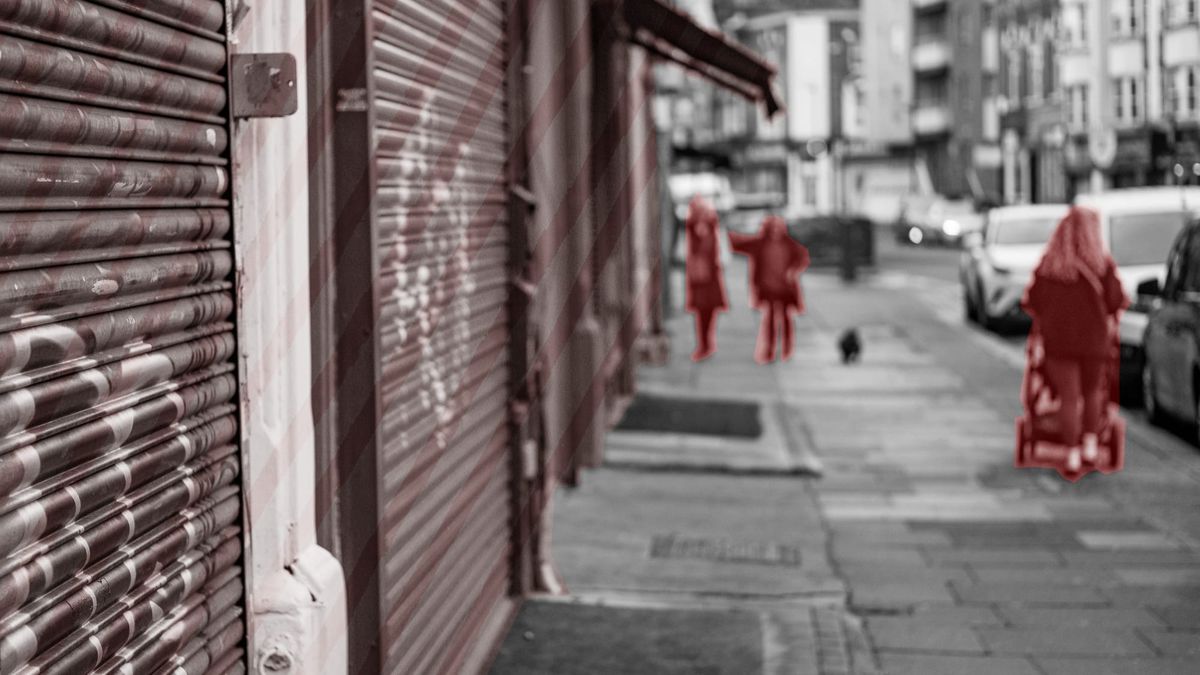
That is why the change can feel so disorientating. One closure is unfortunate. Two can perhaps be explained away. Over time, the accumulated effect changes the character of a place. A bank becomes a restaurant. A shop becomes a gym. A former department store becomes a development site. An upper floor becomes flats. A unit that once sold clothes becomes a barbers, a vape shop, or a phone repair business.
None of those changes is automatically bad. Some are useful, and some are even successful. Some are better than another empty shopfront. Taken together, they show that the old high street economy has been replaced by a more fragmented one.
The language used by councils now gives the game away. Few rely only on promises to attract more shops. Instead, strategies focus on housing, leisure, culture, workspace, health services, public spaces, hospitality, and events. Retail still matters, but it no longer carries the whole thing.
Canterbury offers the clearest Kent example of a place that still has a strong centre because it has other reasons for people to visit. Its cathedral, universities, theatres, restaurants and visitor economy give the city layers of demand that many towns lack.
The city’s latest centre strategy aims to encourage visitors to stay longer, students to put down roots, and businesses to grow. It is a plan for a city centre that works as a visitor destination, student city, hospitality hub and business centre at the same time.
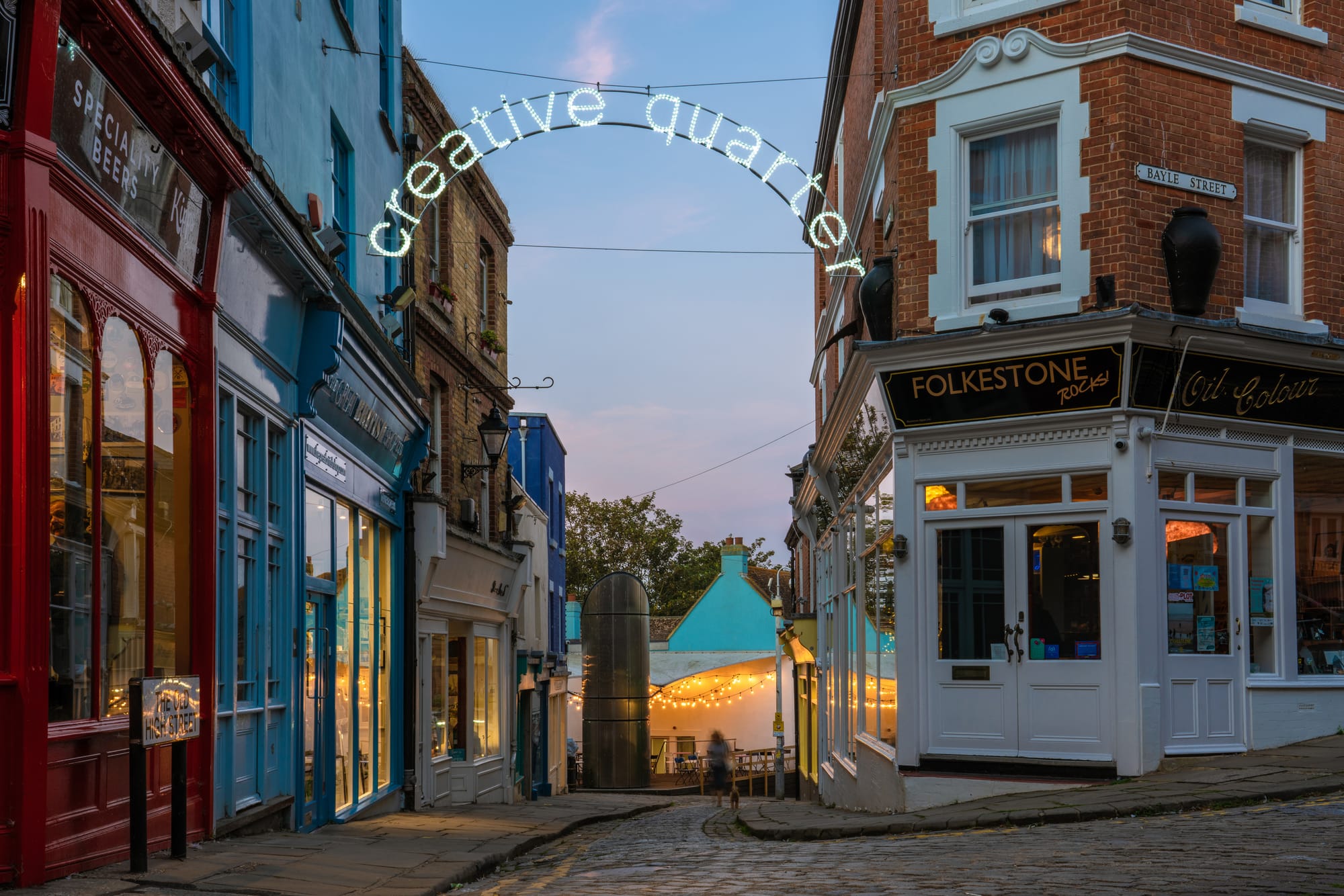
Folkestone offers another version of survival. Its transformation has been driven less by retail than by culture, food, tourism and public space. The Harbour Arm has become a destination in its own right. The Creative Quarter gives the town a visible identity. The offer is not simply 'come here to shop.' It is 'come here to spend time.'
Margate’s version is messier but still instructive. The Turner Contemporary has brought millions of visitors to the town since opening and has become central to the story people tell about Margate’s regeneration. Cafés, vintage shops, galleries and the seafront have changed the town’s image. Yet Margate also shows the limits of regeneration that is heavily dependent on visitors. A place can become fashionable without every street becoming prosperous.
The towns doing best are not necessarily the ones with the most shops. They are often the ones that have found other reasons for people to spend time there. That is harder in places without a cathedral, a seafront, a harbour, a strong tourism brand or a wealthy local catchment.
Ashford is a town trying to force a new answer into being. Park Mall once represented exactly the sort of enclosed shopping-centre future many towns aspired to. Today, the site is being demolished, and the council is considering a longer-term residential-led mixed-use redevelopment.
Before that happens, the space is expected to be converted into a surface-level car park. That detail neatly captures the awkwardness of the transition. The old retail model has failed, but the new town centre has not yet arrived.
Maidstone faces a similar question on a larger civic scale. It remains Kent’s county town, but that status does not by itself guarantee a thriving centre. Its long-term thinking now spans jobs, culture, leisure, housing, green space, and public realm improvements. The breadth is telling.
Dover’s position is starker. Its latest monitoring reports say there is no forecast need for new comparison retail floorspace, the kind used for clothes, furniture and other non-food shopping. There is, however, capacity for more food and drink outlets. The town is not expecting a wave of new traditional shops to solve the problem.
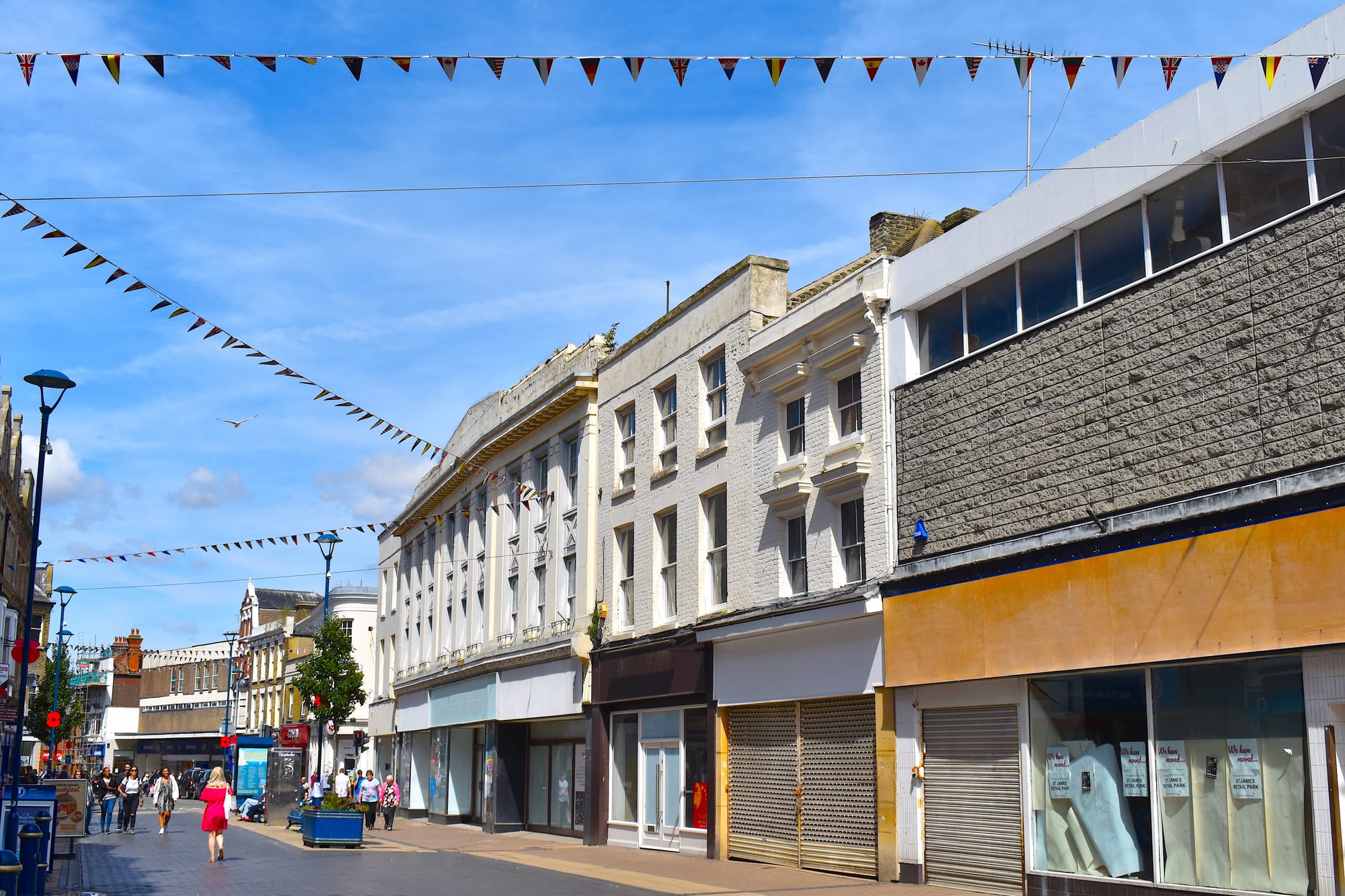
Thanet is testing another response that intervenes to directly tackle empty units. The council is looking at using High Street Rental Auctions in Margate, Cliftonville and Ramsgate, allowing long-empty commercial properties to be brought back into use. It is a small but telling shift. The market has not filled every gap on its own, so councils are being given tools to move things along.
This is where the debate becomes more complicated. A vacant unit is bad for a town centre. It breaks up the street, reduces footfall, weakens neighbouring businesses and gives the impression of decline. Councils understandably want those units occupied. But occupied by what?
The Kent Current is now on WhatsApp.
We’ve launched a WhatsApp channel for Kent Current. We won’t flood it with posts, but we will use it to share new stories and occasional major updates from across the county.
If you’d like our journalism somewhere a little closer to your lock screen, you can follow along there.
Few changes provoke more local discussion than the growth of vape shops, barbers, phone accessory stores, mini-marts and similar businesses. They are not all the same, and should not be lazily lumped together. Many are legitimate businesses run by people trying to make a living in difficult conditions.
Yet the concerns are now serious enough to have become part of the national debate. The government has announced a new High Street Organised Crime Unit aimed at tackling criminal activity linked to some premises, including vape shops, barbers, mini-marts and sweet shops. Kent Trading Standards said earlier this year that it had stopped three million illegal vapes reaching residents over the previous five years, illustrating how concerns about some town centre businesses have moved beyond aesthetics and into questions of enforcement.
That does not mean every vape shop is dodgy. It does not mean every barber is a front. But it does expose a problem that many town centres now face. When the priority is simply to fill empty space, almost any tenant can look like progress. That does not necessarily build a town centre that people actually want to visit.
A town centre made up of occupied units can still feel weak if the mix is poor, the offer is narrow, or the street no longer gives people a reason to linger. Vacancy is one problem, but low quality occupancy is another.
At the same time, some of the businesses replacing traditional retail make perfect sense. Haircuts cannot be ordered online. Nor can a gym session, a meal out, a dental appointment, a beauty treatment, a coffee with friends or a live performance. The more shopping moves online, the more town centres are pushed towards things that require physical presence.
The high street is becoming less of a marketplace and more of a service hub. That shift is not automatically a failure. A town centre with good cafés, restaurants, health services, cultural venues, green spaces, independent shops and homes can be more useful than one dominated by fading national chains.
The difficulty is getting there. Housing is increasingly part of the answer, with former offices, upper floors and underused commercial sites being converted into homes. Major town centre regeneration projects often include residential development alongside commercial space. In some places, the future customer base may increasingly live in the town centre rather than travel into it.
That changes the rhythm of a place. A shopping centre built for Saturday footfall is different from a town centre where people live, work, eat, exercise, study and use public services throughout the week. It needs different transport, different public spaces, different lighting, different policing and different assumptions about who the centre is for.
It also creates new tensions. More homes can bring life into a town centre, but they can also reduce commercial space. More hospitality can make a place more attractive, but it can also create noise and licensing conflicts. More visitors can support businesses, but they can also push up rents and leave residents feeling as though the town is being reshaped for someone else.
There is no single Kent town centre story. Canterbury is not Folkestone, and Margate is not Sevenoaks. Each place has its own economy, history, transport links and civic identity.
But they are all being pulled away from the same old assumption that the centre of town exists primarily as a place to shop.
The department stores are not coming back. Neither are many of the banks or retail chains that once anchored town centres across Kent. That does not mean the future is empty shopfronts and managed decline. It means towns are looking elsewhere for the activity that retail once provided.
For now, many of Kent’s town centres feel caught between two versions of themselves. The old one is familiar enough to remember. The new one is visible in fragments. A gallery appears where a shop used to be, flats are built above a former department store, while boarded up units wait for a decision about what comes next.
The future of the town centre will not arrive all at once. Across Kent, it is already appearing piece by piece.
The challenge is that nobody has quite settled on what the finished picture should look like.
Keeping track of Kent properly takes time, travel and a fair amount of patience. The Kent Current exists only because some readers choose to support it. An annual subscription costs £1.15 a week and helps keep it going.
Also...
🚌 Our friends at the Greenwich Wire reports that a Kent County Council decision to increase charges for Transport for London buses using part of the Fastrack network could lead to fewer London buses serving Bluewater and Darent Valley Hospital. TfL says Kent has asked for a “significant increase” in fees to use a short stretch of bus-only road between the hospital and the shopping centre, prompting a review of services including the 96 from Woolwich. No cuts have been confirmed, but Dartford councillors have been told TfL is considering reducing services rather than withdrawing them entirely. KCC says discussions are ongoing and services remain available.
🚰 South East Water has doubled its compensation fund for businesses hit by the winter outages, after Tunbridge Wells MP Mike Martin said the original £600,000 pot did not come close to covering local losses. Businesses will now have until 19 June to apply to the £1.2m fund, with successful claims due to be paid by the end of August. Martin called the increase “a significant victory,” though South East Water remains under investigation by Ofwat over repeated supply failures and faces a proposed £22m fine for earlier disruption.
🏚️ Kent is among the areas most exposed to climate-related subsidence, as hotter, drier summers increase the risk of clay soils shrinking beneath homes. Analysis by the British Geological Survey forecasts that around 500,000 properties could be affected by 2070 under a low-emissions scenario, rising to more than 1.8m under a medium-emissions path closer to current global trends. In London, more than 26% of homes could be affected by 2070. The warning comes after £153m of UK subsidence-related insurance claims in the first half of 2025, following the warmest spring on record and the driest in more than 50 years.
Footnotes
Follow us elsewhere: Facebook, Instagram, BlueSky, and now WhatsApp for new story alerts.