“I always believed that there was power in brevity”
Our interview with Martin Stirling, writer and director

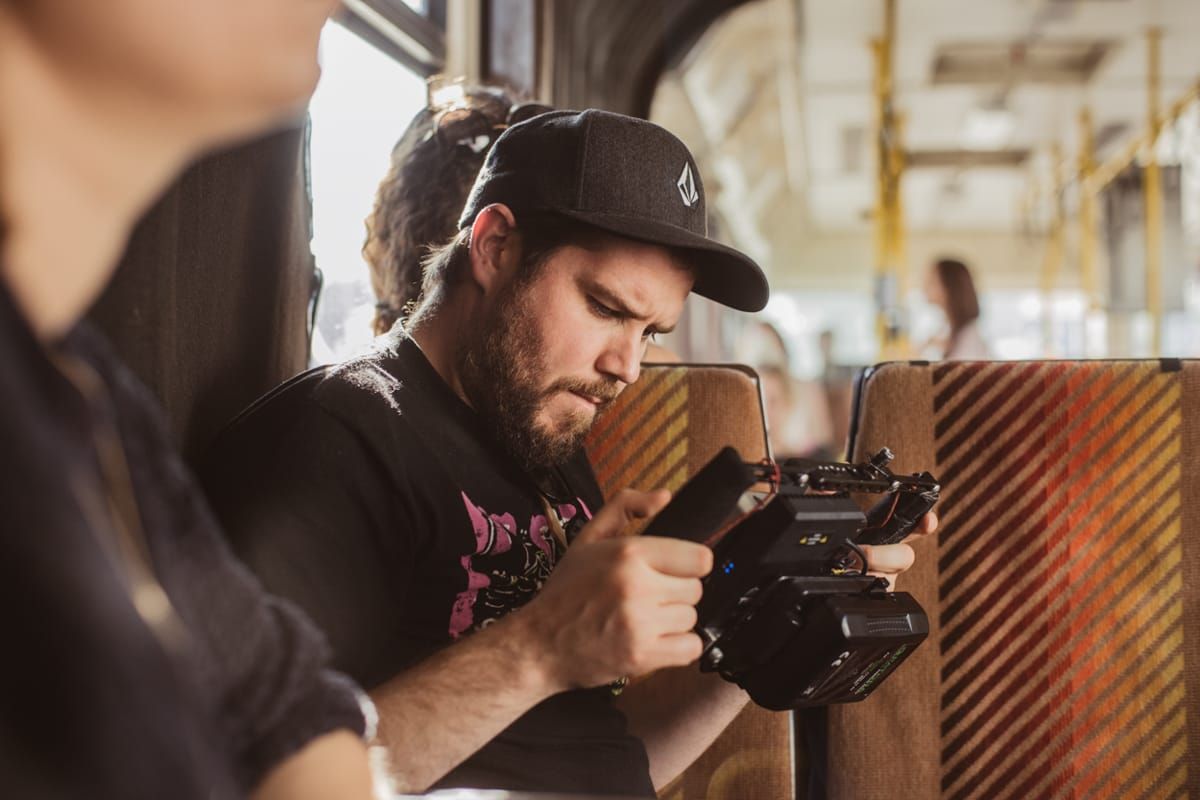
Martin Stirling is a graduate of Bournemouth Media School, a Margate resident and a writer and director of viral charity films. Steven met him to talk about working with Javier Bardem, working for the National Youth Theatre and the feature film he is developing.
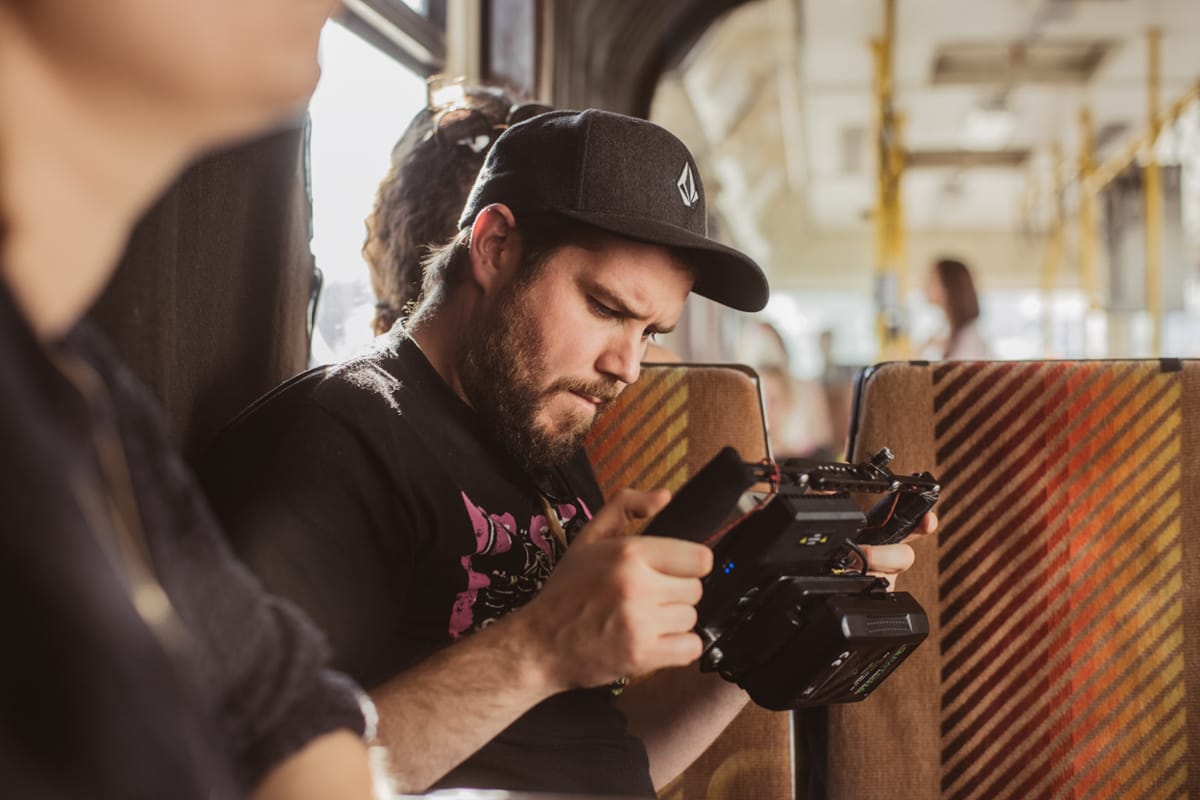
Martin Stirling is a film director and Bournemouth University alumnus. We first met when he was a first-year student, and he later worked as a runner on a short film that, embarrassingly, he had to remind me I had produced. The important detail, of course, is that I gave him his break into the industry. He now works as a writer and director, making acclaimed charity films while developing feature projects. Now based in Margate, we meet and, as with every interview, I begin by asking him how to spell his name.
"M-a-r-t-i-n. S-t-i-r-l-i-n-g," he spells, thanking me for asking because people often add an e to his surname. "There's a guy who writes and directs Coronation Street, and I'm not that guy." Disappointed that I'm not about to interview somebody from Corrie, I ask whether he's known by any other names.
“My dad called me Cunt for about 20 years, but other than that, not officially.”
Today, Martin works as a writer and director, although his route into filmmaking has taken a rather different path from the one he imagined.
You can do incredible things in the short format
For many directors, short films are a stepping stone. Martin always saw them differently. “I always believed that there was power in brevity and that you can do incredible things in the short format.” Martin cites the short stop motion film ‘Dog’ by Suzie Templeton. “It was so moving. I saw that, and it was incredible.”
But making traditional advertising for household brands wasn't taking Martin towards the career he wanted. “I started to get jaded, a bit disillusioned. I'm pitching and working so hard, not getting much traction.” He felt that he had developed skills that nobody wanted.
Around this time, charities began approaching him about short films. "It was a bit of an awakening. I'd always wanted to make things that make the world better." He admits he has always held the romantic belief that filmmakers can change the world.
As well as making films that could matter, Martin was also allowed creative freedom. “I don't think people expected much.” He created a video for Save the Children called Most Shocking Second A Day. This went viral over a decade ago and still gets referenced by people talking to Martin. “I get tagged in it every couple of weeks still.”
Martin also made a film for Greenpeace called Lego: Everything is Not Awesome, which criticised Lego’s partnership with Shell. This film also went viral, with the campaign making global news. “Amazingly, less than half a year later, they disbanded their partnership.”
For Martin, it reinforced the idea that films really can make a difference. He continues to work on similar projects, which he feels is a “pleasure and a privilege.’
They don't, however, pay the bills, so Martin continues to "prop it up in other ways." But charity films remain central to his work, including the latest project we have met to discuss, SLAPP Suit.
The film was prompted by Energy Transfer's $667m lawsuit against Greenpeace. "Which is no small number," Martin notes. Greenpeace argues the case is what's known as a SLAPP suit, a Strategic Lawsuit Against Public Participation: legal action intended to discourage criticism or protest. “Some people might say that it's a form of legalised fascism.”
Greenpeace wanted a film highlighting what it sees as the growing use of lawsuits to silence campaigners.
Martin explains how this is quite insidious, highlighting how we are seeing it across the board, not just in the climate conversation. “If you speak up against power, they're going to abuse you with these costly lawsuits, to try and intimidate and scare people into not standing up or critiquing.”
Martin points to Sarah Wynn-Williams' Careless People as another example. He notes that legal restrictions have prevented the author from publicly promoting the book. “She's not even allowed to talk to her family at home about her life at Meta, which is insane.”
Martin’s work has taken him from viral charity films to a seven-hour shoot on Savile Row with Javier Bardem.
Register for free to continue reading about the making of SLAPP Suit, the feature film he is developing and the career that brought him to Margate.