Lampposts, oil slicks and the end of everything
Canterbury’s historic streetlights face removal, mysterious oil washes up on 18 Thanet beaches, and Kent becomes the setting for a Booker Prize-winning apocalypse

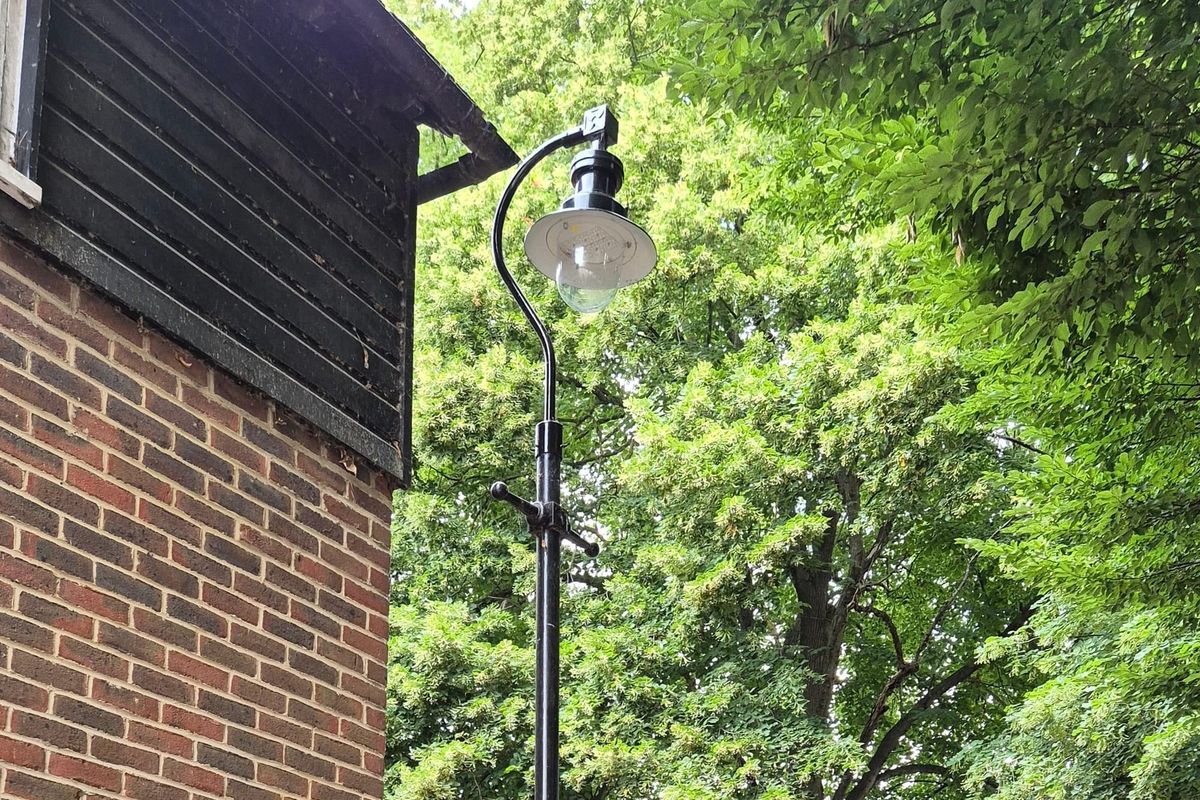
Canterbury's historic lamppost dispute has reached another turning point, with nine cast-iron columns due to be replaced despite continuing questions about alternatives. Elsewhere, oil pollution has closed 18 Thanet beaches, while this year's Booker Prize winner imagines civilisation ending along the Kent coast.
Canterbury’s lamppost reprieve runs out
Canterbury’s historic lampposts have spent much of this year awaiting a decision about their future. Next week, nine of them are coming down, accompanied by a council announcement that has clearly braced itself for the response.
Kent County Council says work in Cossington Road will begin on Tuesday, replacing cast-iron columns that have failed structural safety checks. Internal corrosion, including below ground, means repainting cannot resolve the problem. Their replacements will be steel, fitted with decorative features and, wherever possible, the original lanterns.
When we covered the dispute in January, the concern went beyond these nine posts. Years of unresolved discussions between KCC, which maintains highway lighting, and Canterbury City Council, responsible for conservation, had left replacement as the default. Campaigners feared the gradual loss of distinctive street furniture without an agreed approach to protecting it.
The Cossington Road removals were paused, and by March the Canterbury Society reported agreement in principle on the need for a heritage lighting strategy. Specialist assessment, refurbishment and reinstatement were among the options being explored.
KCC’s latest announcement comes with an extensive FAQ and the unmistakable air of an authority hoping to avoid another national argument about lampposts. Only unsafe columns will go, it repeatedly stresses, and many aren’t actually Victorian anyway. The structural problems it describes are serious, although the age clarification seems unlikely to make residents much fonder of steel replacements.
There is also an awkward detail in the explanation. KCC says the original moulds no longer exist and puts new cast-iron columns at around £10,000 each. Yet Canterbury said in January that it had commissioned a Biggleston-style mould, available for KCC to use where appropriate, and was casting more than 20 columns for its own public spaces. The original moulds and the newer one are different things, but the announcement does not explain why the latter was unsuitable here.
The removed columns will be inspected for possible restoration or reuse, which is a commitment to assess them rather than a promise they will return. Installation should take three days, with parking restrictions in place but no road closures.
Ten months on, the steel replacements are arriving. Canterbury has found a way to commission new cast-iron lampposts elsewhere, so residents might reasonably have expected a clearer explanation of why their street won’t be getting them. But at least they now know some of the old ones weren’t Victorian.
Oil pollution closes 18 Thanet beaches
A November walk on the beach ought to require little more preparation than a coat and a willingness to be sandblasted. Across much of Thanet, it now also requires finding a beach you are allowed to enter.
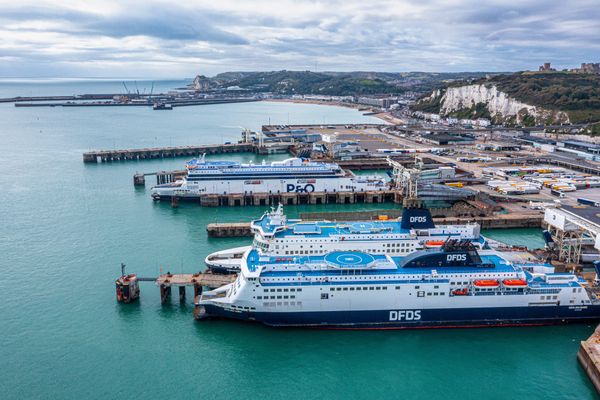
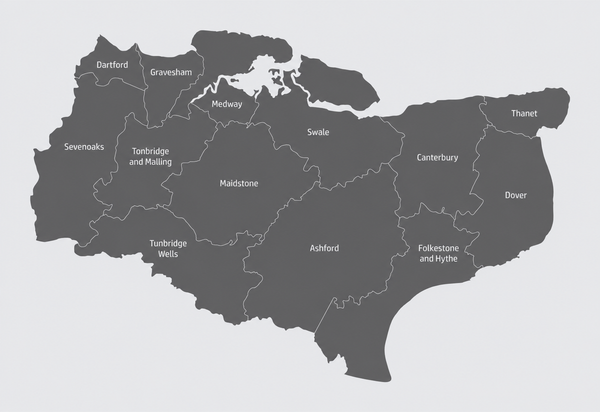
Oil deposits have affected 18 beaches, with Thanet Council restricting access along the coast from Minnis Bay to Ramsgate. Margate Main Sands, Botany Bay and Viking Bay are among those covered by the warning. The source of the oil has not been established.
The alarm was raised on Wednesday, when residents reported black deposits at beaches around Broadstairs and Ramsgate. Dog walkers described small beads with a diesel smell. As inspections continued, the council’s list of affected beaches expanded around the island’s coastline. Walking to the next bay rapidly became a less useful workaround.
The council’s coastal engineering team is working with contractors and the Maritime and Coastguard Agency to remove the deposits. In a statement, the authority said the incident had been reported to the Environment Agency, and samples would be collected for analysis.
There is no firm reopening timetable. Mike Humber, the council’s environment director, told BBC South East: “We want to clean up as quickly as we can.” He warned that the work could take “many days”, although it was difficult to give a precise timescale.
Coastguard aircraft have been flying over the affected area. The Environment Agency says it is working with the council and the Maritime and Coastguard Agency to investigate the source, assess environmental impacts and reduce the pollution’s effects. Establishing where the oil came from and what damage it has caused remains part of that investigation.
For residents, the immediate instructions are clearer than the explanation. The council’s published advice is to stay off affected beaches, keep dogs away and avoid the deposits. Residents can report sightings on 01843 577000.
For now, Thanet gets the oil, the closed beaches and the clean-up. Whoever caused it remains unidentified. Reopening the beaches is urgent, but a coastline this extensively polluted deserves an investigation that ends with accountability.
The end of everything begins on the Kent coast
Kent’s seaside towns have spent years acquiring galleries, expensive flats and increasingly enthusiastic coverage in the national press. This week brought another endorsement, although perhaps a less useful one for the tourism brochures. The county’s coast provides the setting for this year’s Booker Prize winner, The End of Everything.
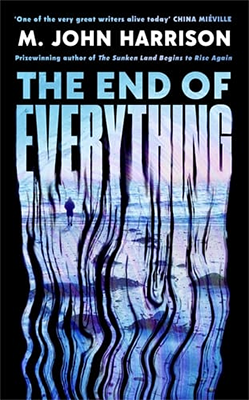
M. John Harrison’s novel has won the £50,000 prize, making the 81-year-old its oldest winner. It imagines a near-future Britain after a catastrophe whose nature nobody can satisfactorily explain. Strange entities have arrived, familiar structures are breaking down, and people are attempting to get on with their lives anyway.
Much of this unfolds in an unnamed Kent coastal town. There is no definitive answer to which town should feel most flattered, but Harrison has been clear about the places that inspired him. “The art towns of the UK’s east coast provided the setting,” he told the Booker website, describing his affection for the coast from Hastings round to the Thames and beyond into Suffolk.
The coastal transformation is part of the material. The Booker reading guide highlights places previously shaped by fishing and shipbuilding, where industrial sites have become museums or upmarket flats. It is a landscape where the working past has been repackaged for a different audience, giving Harrison a setting already accustomed to being told it has entered an exciting new era.
His protagonist, Phillip Tennent, makes a living collecting objects washed up from the Channel and selling them inland. Then he finds something that grows, changes and starts to speak. Alongside him is his elderly aunt Marnie, a former artist navigating the altered world with a capacity for sudden violence. Neither offers quite the seaside lifestyle usually advertised.
Amongst this, the everyday persists. The book describes children’s parties and morning visits to seaside cafés continuing amid the disorder. Harrison says current affairs supplied his themes and satire, with the difficulty of making a life when the explanations people rely on no longer seem to work. The panel, chaired by Mary Beard, chose the book unanimously and found humour, compassion and some optimism within it.
That makes the Kent setting rather more interesting than a backdrop for an alien arrival. These are places where dramatic change and ordinary life already share the same streets, and where one person’s regeneration can be another’s loss. Harrison has added something incomprehensible from the sea, but the cafés are still open.
Footnotes
Have a Kent story you think we might be interested in? Get in touch via hello(at)kentcurrent(dot)news - We’re always happy to talk off the record in the first instance…
Follow us elsewhere: Facebook, Instagram, BlueSky, and now WhatsApp for new story alerts.