“Sikhism, at its root, is about community”
What we asked Adipat Virdi, immersive storyteller behind the Sikh History in the Medway Towns project

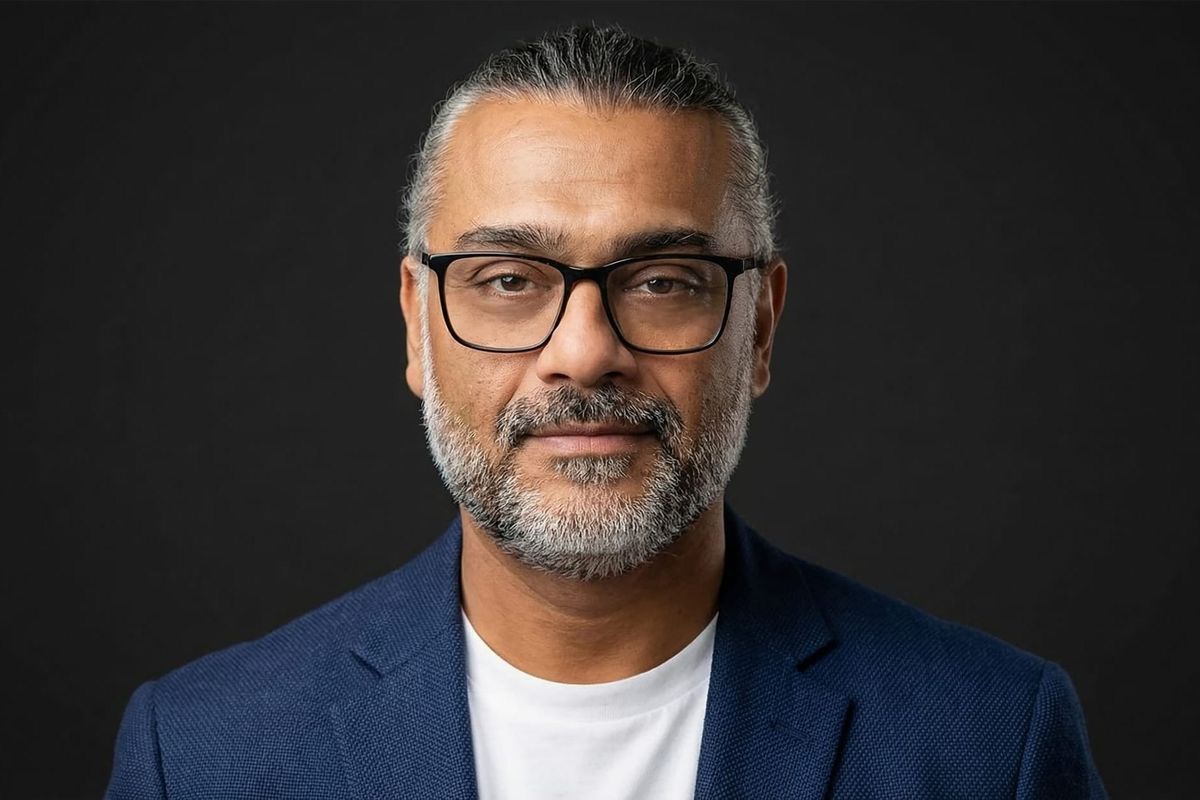
Showing that networking can indeed work, Steven was introduced to Adipat Virdi via somebody he met through the MidKent College Alumni network. After some calendar coordination chaos, they managed to meet via Zoom. Steven asked Adi about the Sikh community in Kent, how his parents felt when he gave up architecture and where to get good Sikh food.
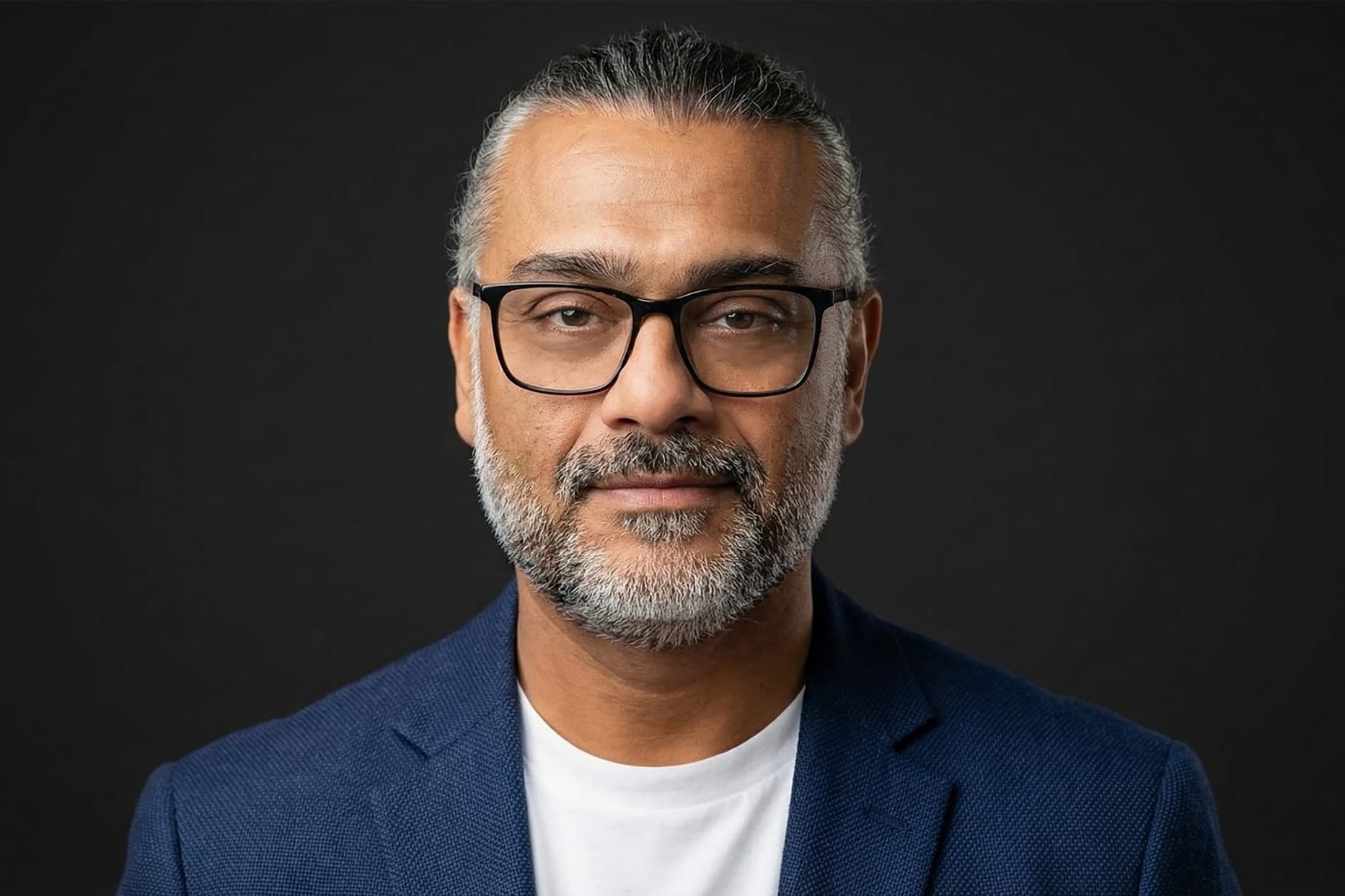
Adipat Virdi, “people call me Adi”, has worked across different forms of storytelling but now describes himself as an immersive storyteller. Based in Broadstairs, he is developing a project exploring Sikh history in the Medway Towns as part of the Medway Heritage Place programme.
“We're used to watching stuff through a screen, what I call passive third person viewing.”
Immersive storytelling, for Adi, means moving beyond that distance between audience and story. As technology develops, “you can actually be in it.”
“I'm somebody who likes to create stuff that's happening around you, but also it's about making the audience the main character.”
Away from his own projects, Adi also works with the Department for Culture, Media and Sport and serves on the judging panel for the Town of Culture competition.
Adi is preparing to showcase a work in progress at Medway Little Theatre, though scheduling conflicts mean the event may already have taken place by the time you read this. He is planning a larger follow-up at the GlassBox Theatre at MidKent College in Gillingham and the Gulbenkian in Canterbury.
The project began with a Medway Council funding call for new community-led work. Adi applied with a question. “The idea was how could I raise awareness for the Sikh community in Medway?”
He wanted to explore the relationship in both directions. What the Sikh community has contributed to Medway, and “what does Medway mean to them?”
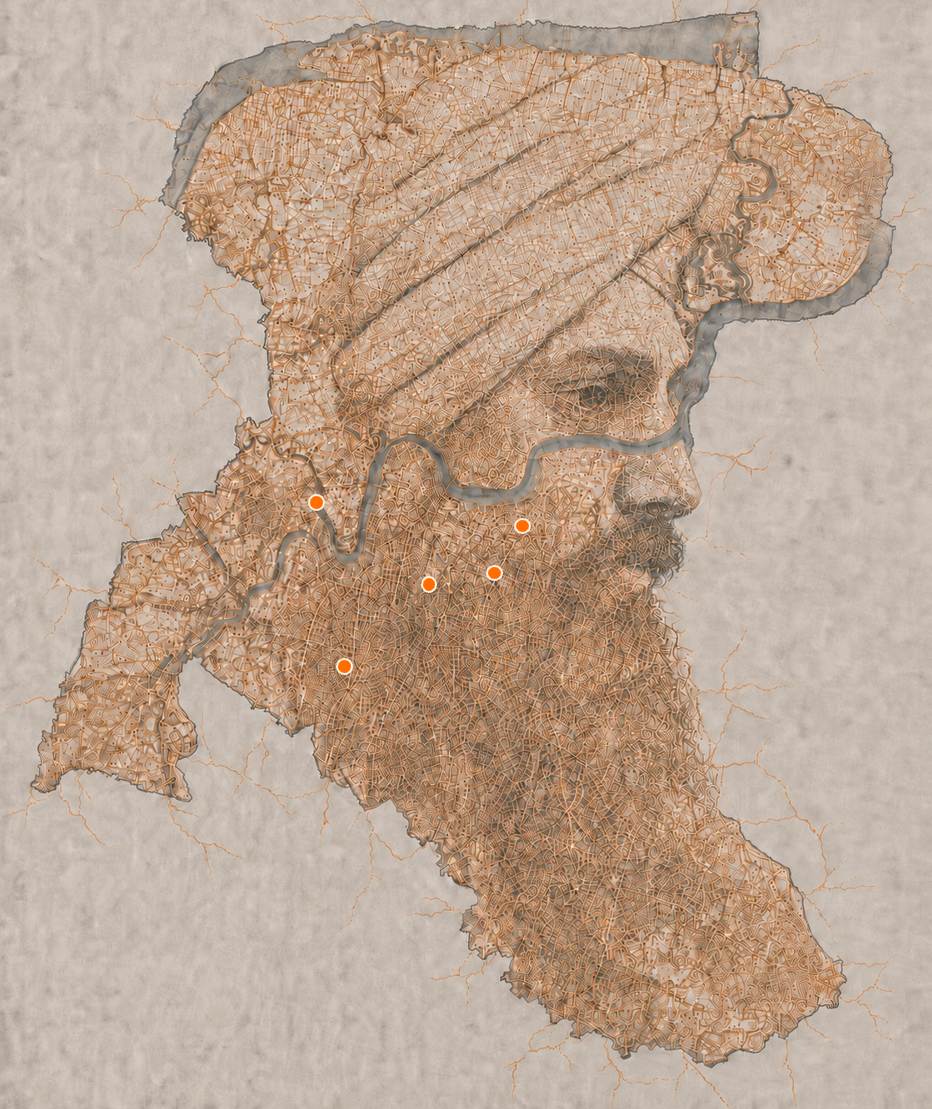
The result is “what I'm terming an immersive documentary”, built around the voices of Sikh people from Medway but also “in a dialogue with the audience”, with the aim of finding “our common humanity and our common understanding of community.”
For readers less familiar with the faith, I ask Adi how he would describe Sikhism.
“Sikhism is one of the younger religions. It's only been around for a few hundred years.”
He describes “a bit of angst” between Islam and Hinduism before the emergence of “our first Guru”.
“Sikhism, at its root, is about community.”
I hold myself to account, to make a better version of myself
Adi was brought up religiously, “but I would say spirituality is more important.”
For him, faith is expressed through values. “Doing what you say you're going to do, being honest, being as clear and humble as you can be, and being inclusive of others.”
“I hold myself to account, to make a better version of myself.”
The Medway Little Theatre event is called Sangat, the Punjabi word for community.
“It came from a conversation when someone said that community, whenever we talk about the Sikh temple or being a Sikh, it's never about them and us. It's always about what does my community look like?”
The idea of sangat kept returning in Adi’s conversations. What allowed people to belong, “what has allowed people to work hard, what has allowed people to feel safe.”
That question feels particularly urgent to him in the current climate, where “there's a big divide politically.”
He avoids telling me who he considers the best Prime Minister of his lifetime, worrying that it would be “too revealing”, but says he is optimistic about the new government under Andy Burnham.
Alongside Sangat, Adi has been developing a Sikh Heritage Memory Map. “That's evolved. The original intention of this project was the stories of people who, for instance, grew up with their parents working in the docks.”
The aim was to capture the experiences of people who made Medway their home.
“I was trying to map that history.”
Adi has spoken to almost 50 people. “Most were eager to share their stories, but almost none were happy to have them recorded.”
That forced the project to evolve. “How do we deal with that in a proactive way?” The new show is his work-in-progress answer.
The theme of belonging runs through Adi’s earlier work too. He previously took I Am Other to the Edinburgh Fringe.
Being a brown man in a white world has been a difficult journey for me
After leaving a corporate career, he worked at Meta in immersive technology, “but it felt quite soulless. This notion of being ‘an other’, being a brown man in a white world has been a difficult journey for me.”
That experience of being othered has become “a common theme through all my work.”
Being “an other”, he says, is “something symptomatic of all of us, as part of the human condition.”
I Am Other grew out of “actually about five different scenarios”, which Adi combined into an immersive theatre piece. He would present a situation, work through it with the audience, “almost like a dramatic workshop”, and then return to the scene to “see if the lens through which they perceived that situation has changed.”
At its heart, I Am Other asked, “how can we try and sit in somebody else's shoes and see why they're saying what they're saying.”
“It was reviewed quite well.”
Adi Virdi’s work is built around what happens when people are asked to look at the world from somebody else’s point of view.
Join for free to keep reading about how that connects to his own experiences of race, religion and belonging, why he walked away from architecture, and what he has learned from Sikh communities in Medway and beyond.