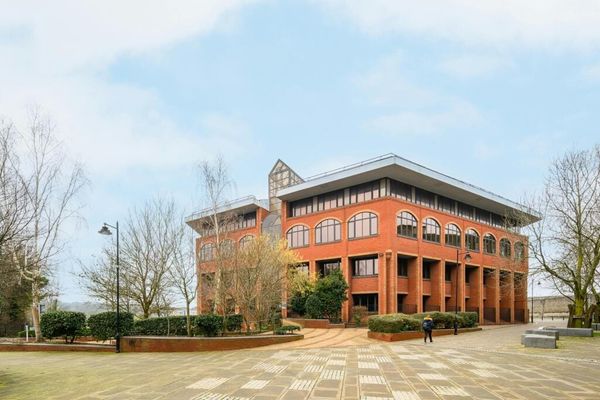
International trains, flying robots and a monster called Kevin
Stratford could beat Kent to international rail services, Lydd Airport looks to drones, and Maidstone prepares for a monster invasion


Stratford International could finally welcome cross-Channel trains before Ashford and Ebbsfleet get theirs back, despite years of campaigning in Kent. Elsewhere, Lydd Airport has ambitions to become a national centre for autonomous aviation, while Maidstone is preparing for a Halloween invasion of giant inflatable monsters...
Stratford could finally get international trains before Kent gets them back
Kent has spent more than six years trying to persuade international trains to stop at its international railway stations. Petitions, campaigns, economic studies and ministerial interventions have all aimed at the apparently radical ambition of allowing people to board trains at stations designed for that purpose. Meanwhile, London is preparing to make an international station international for the first time.
Reports this week suggest the Chancellor is close to approving a funding arrangement for a £20m upgrade to Stratford International, potentially allowing cross-Channel services to stop there by 2030. The station opened in 2009, and despite its rather optimistic name, has never handled international passengers. Eurostar trains have instead spent the past 17 years travelling straight through on their way to St Pancras.
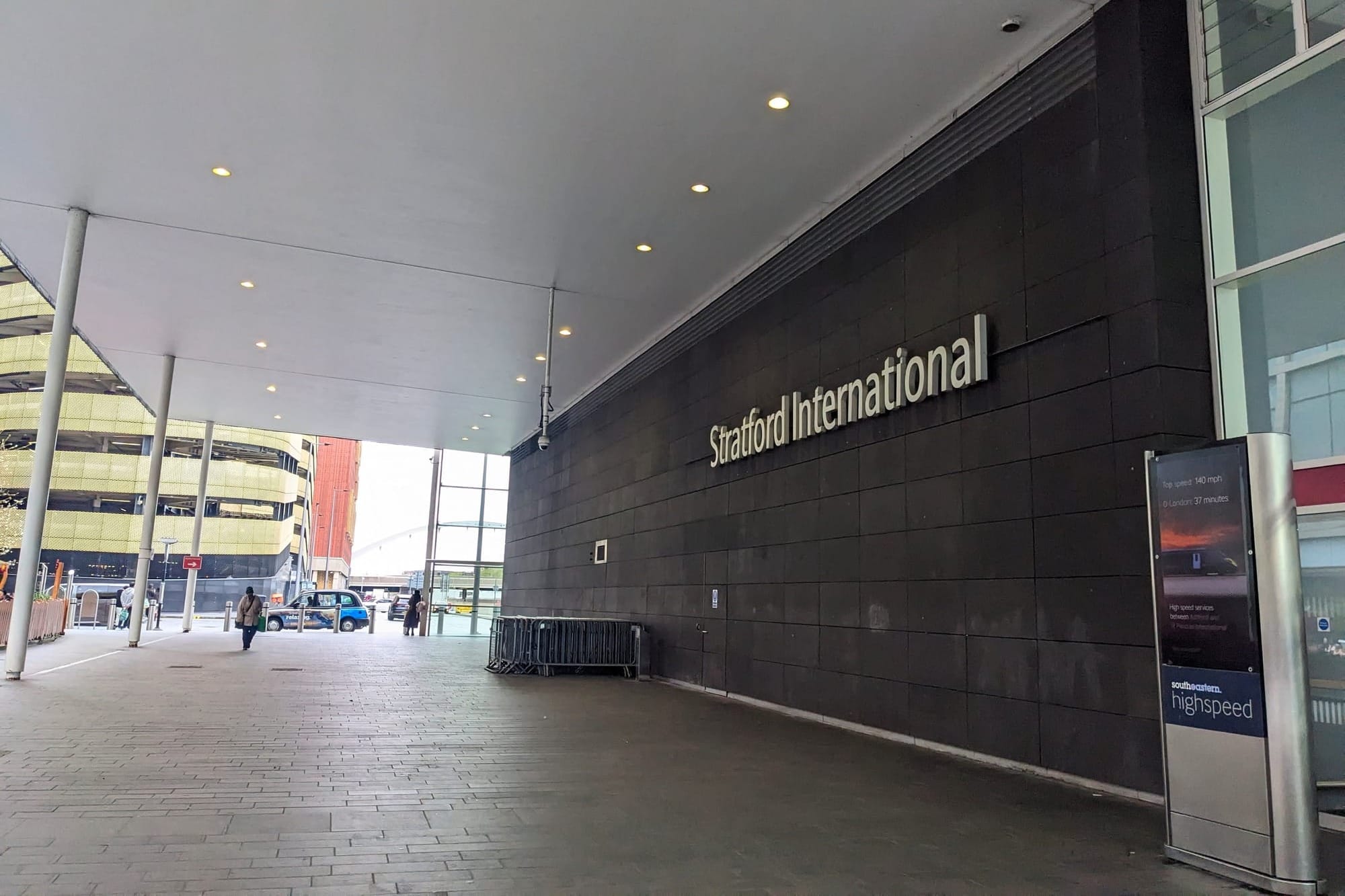
London mayor Sadiq Khan wants to change that, with proposals to install border controls, security facilities and passenger infrastructure. The money could come through a Business Rate Retention Zone, allowing future growth in local business rates revenue to help pay for the improvements. A decision could come in next Wednesday's Budget, although nothing has been approved yet.
There is a perfectly sensible argument for doing this. Stratford is a major transport interchange serving a rapidly developing part of London, and giving millions more people convenient access to international trains would be a welcome improvement.
It's just a little difficult to celebrate from Kent, where Ashford and Ebbsfleet International have been sitting without international services since March 2020.
Both stations were built to connect Kent directly to continental Europe, with considerable public investment justified partly by the economic opportunities they would bring. Ashford began receiving international trains in 1996, followed by Ebbsfleet in 2007, before Eurostar suspended services during the pandemic and subsequently decided not to bring them back. The company has repeatedly ruled out restoring its Kent stops, leaving the county's hopes resting increasingly on competition from new operators.
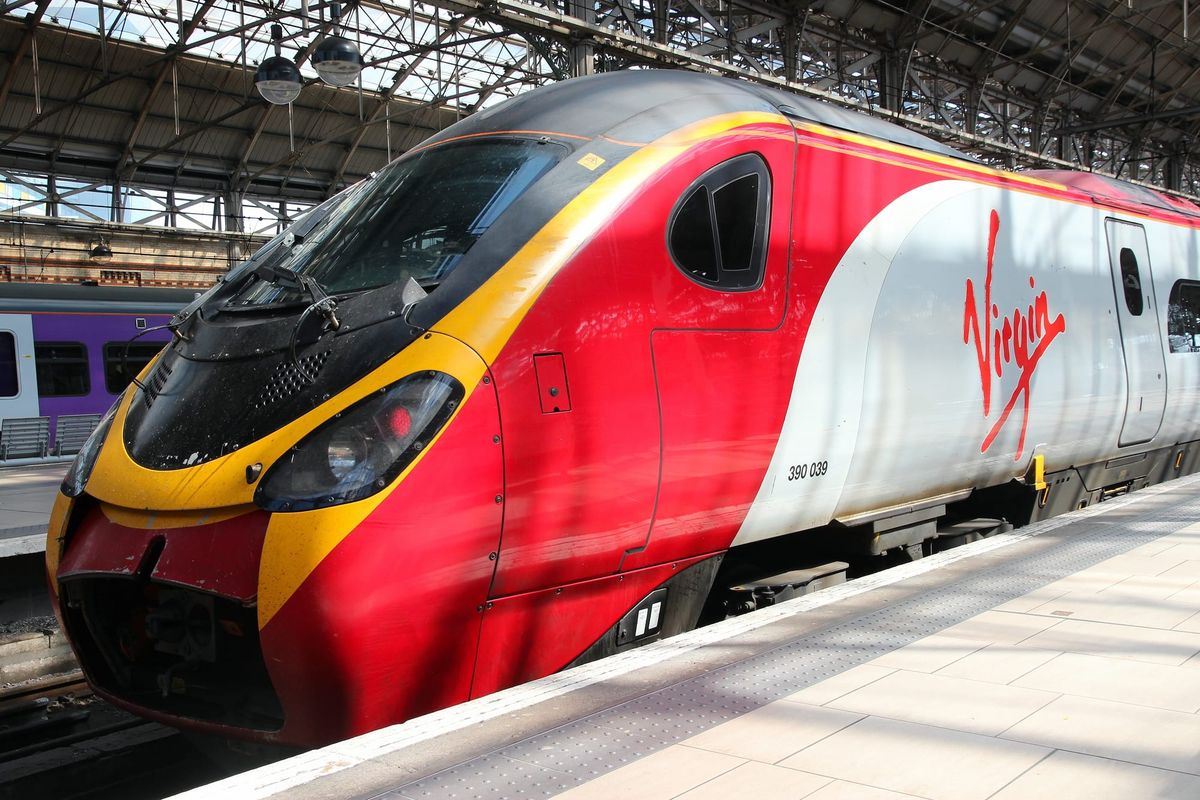
As we reported in August, Virgin has secured regulatory approval for up to 20 daily return services between London and continental Europe from 2030. Unfortunately, its proposed trains would also pass straight through Kent without stopping. Virgin has said it would serve Ashford and Ebbsfleet if their international facilities were reopened, which is encouraging, although it leaves the rather significant matter of actually reopening them.
 Ed Jennings
Last week, Ashford Borough Council welcomed Prime Minister Andy Burnham's commitment to ask the Transport Secretary to investigate restoring services. The intervention followed a parliamentary appeal from Hastings and Rye MP Helena Dollimore, who cited estimates that international trains returning to Ashford could generate £2.7bn for Kent and Sussex.
More than 85,000 people have signed a petition supporting the campaign, while over 20,000 have completed a survey intended to demonstrate passenger demand. The case for restoring services has certainly not suffered from a lack of enthusiasm, although asking ministers to look into something is a different prospect from securing the money to make it happen.
Stratford's potential breakthrough also introduces an interesting complication. Gemini Trains, one of the companies hoping to challenge Eurostar's monopoly, previously proposed operating from Stratford with services stopping at Ebbsfleet and potentially Ashford. It also explored developing the former Chart Leacon railway works in Ashford as an alternative maintenance depot.
Gemini lost out to Virgin in the competition for access to the existing Temple Mills depot, partly because of concerns about its ability to finance the infrastructure required for its proposals. A government-backed funding arrangement for Stratford could remove one of those obstacles. Gemini would still need trains, depot facilities, regulatory approval and substantial investment, but getting Stratford ready for international passengers could make its plans more achievable.
Virgin is also reportedly considering adding Stratford to its services, meaning the new investment might eventually support additional stops elsewhere on the route. That is worth emphasising because this need not be a competition between London and Kent. More international railway infrastructure is a good thing, and expanding the number of operators and services could create opportunities for both.
Nevertheless, there is a revealing difference in how the two places are progressing. London has a mayor able to negotiate directly with ministers and potentially assemble a dedicated funding mechanism. Kent has councils, MPs, business organisations and campaigners trying to achieve much the same thing, but without comparable progress towards an agreed solution.
Nor would reopening Ashford and Ebbsfleet be as simple as switching on the lights. Both stations would require work to restore international passenger facilities, establish border arrangements and satisfy the commercial requirements of whichever operators might use them. But they have actually handled international trains before, something Stratford cannot claim.
If the London proposals succeed, Stratford could welcome its first international passengers in 2030, ten years after Kent's last Eurostar stops. There would be something particularly galling about a station that has spent its entire existence waiting for international trains finally getting them before two stations that spent years providing the service can get it back.
Kent doesn't need another study demonstrating why international rail connections would be useful. It needs someone to work out who is going to pay for them.
Lydd Airport wants to become Britain's home of flying robots
For a brief period in the 1960s, Lydd Airport was one of the busiest in Britain. More than 250,000 passengers a year passed through its terminal on Romney Marsh, many heading across the Channel at a time when flying to France from a small Kent airfield seemed an entirely sensible thing to do.
Those days are rather distant. Lydd has spent decades trying to recapture its passenger aviation glory, with grand expansion plans and ambitions to become a significant regional airport that never quite delivered the hoped-for transformation. Now it has come up with something rather different, positioning itself as an airport where the future might involve fewer passengers and considerably more flying robots.
A new report from the Good Growth Foundation argues that Lydd could become a national centre for testing drones, autonomous aircraft and other emerging technologies, potentially generating more than 1,000 jobs and around £75m in annual economic activity.