The taps are back on, but trust has not returned
Water company failures, housing rows, Broadstairs disorder, Amazon robots mark another week in Kent

A new report on South East Water’s winter outages shows fewer than one in ten affected customers were satisfied with the company’s response, while around half now keep bottled water at home in case supplies fail again. Plus the week ahead, fresh planning proposals, Broadstairs disorder, Folkestone jet skis, Amazon robots in Dartford, and the rest of the week across Kent.
The taps are back on, but trust has not returned
For months, South East Water’s problems have been measured in outages, boil water notices and bottled water stations. A new report suggests the lasting damage may be harder to fix.
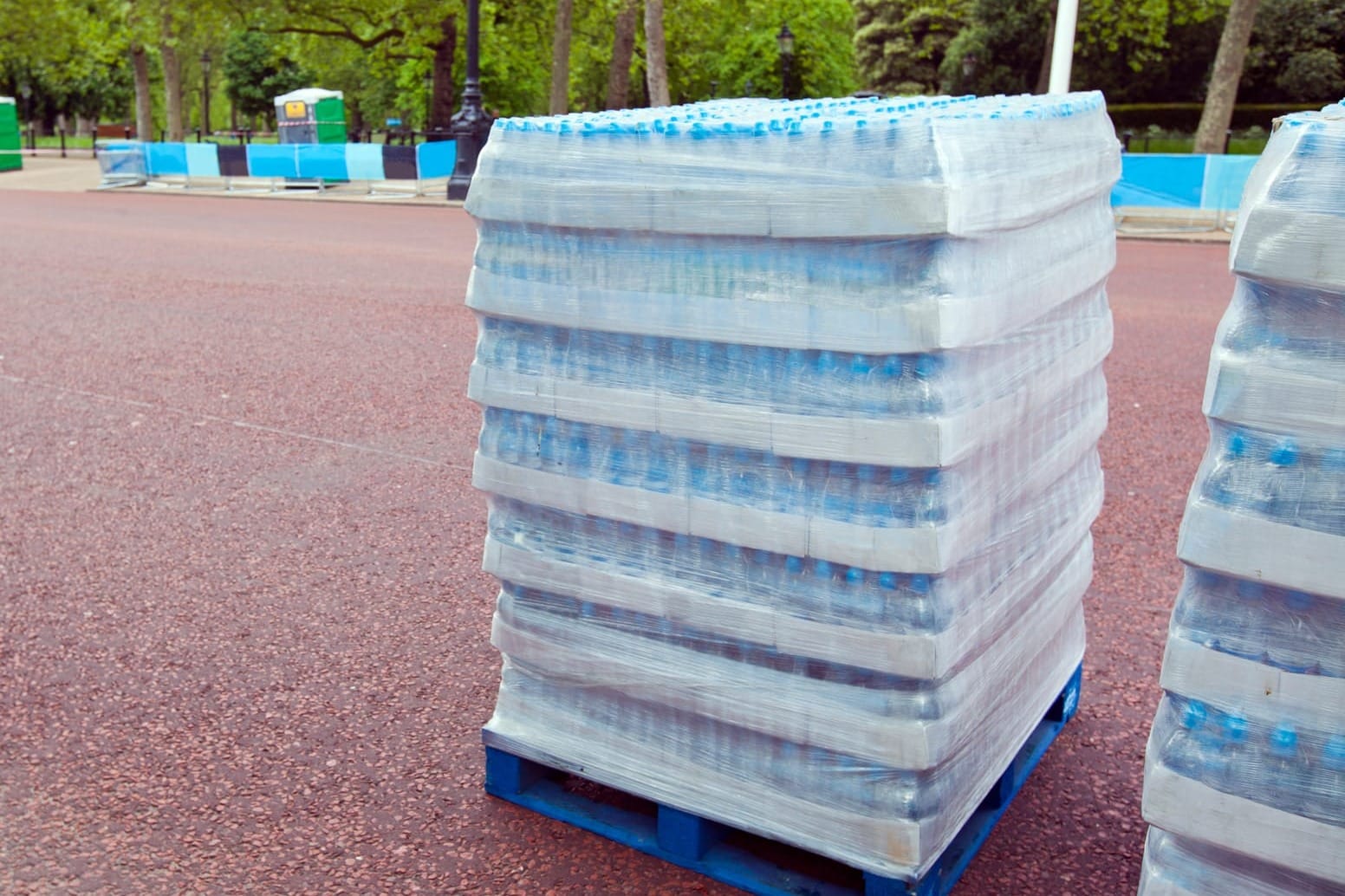
Research commissioned by the Consumer Council for Water and Ofwat into two major South East Water incidents over the winter found that fewer than one in ten affected customers were satisfied with how the company handled them. Around half of those affected now keep bottled water at home in case it happens again.
That is the blunt conclusion from a report into the incidents in late 2025 and early 2026, which affected tens of thousands of households and businesses across Kent and Sussex. Tunbridge Wells was by far the worst hit area, with around 24,000 properties affected by the November and December incident following a failure at Pembury Water Treatment Works. Customers then faced a formal boil water notice, which remained in place for nine days.
In January, the disruption spread more widely. The report says the second incident potentially affected 69,000 properties, including parts of Tunbridge Wells, Canterbury, Blean, and Staplehurst. Unlike the first incident, there was no formal boil water notice, but many customers still experienced no water, low pressure, intermittent supply and concerns about quality.
The report does not say customers were shocked that a water company suffered a major operational failure. It's more uncomfortable finding is that many could have coped better with the disruption if they had been given clearer, faster and more realistic information about what was happening.
Communication was described as the clearest and most consistent point of failure. Most customers did not first discover there was a problem through South East Water. They found out when their supply stopped, pressure dropped, or neighbours began discussing it in WhatsApp groups and on Facebook. Around seven in ten customers first became aware of the incidents in that way.
Official communication often came later, after people were already trying to work out what had happened. That left many with the impression that South East Water was reacting to events rather than guiding customers through them. Updates were described as vague, repetitive, delayed and too optimistic. Less than one in ten customers were satisfied with the reliability of information about when services would be restored.
That led households to make practical decisions around incomplete information. People were trying to work out whether children could go to school, whether they could cook, wash, flush toilets, work from home, care for relatives, or stay in the house at all. Repeated promises that supply would return 'later today' or 'tomorrow' were particularly damaging because they prevented people from planning properly.
The practical disruption was severe. Customers described difficulties with cooking, washing, laundry, personal hygiene and toilet use. Three quarters of respondents affected by the November and December incident said it had a high impact on their daily routine. Six in ten said it affected their physical comfort or wellbeing, while 59% said it caused significant stress or anxiety. The January incident scored slightly lower, but still showed high levels of disruption across all three areas.
For some households, this went well beyond inconvenience. The report includes accounts from parents whose children struggled to attend school, people with health conditions who could not maintain hygiene routines, and residents who travelled elsewhere simply to shower or use reliable toilet facilities. In one account, a customer said they booked a hotel room just to shower. Another described using collected rainwater to flush toilets.
The uncertainty extended to drinking water itself. In the November and December incidents, 26% of affected customers said it was unclear what they needed to do to access safe drinking water. In January, when there was no formal boil water notice but widespread disruption and concern about quality, that rose to 41%.
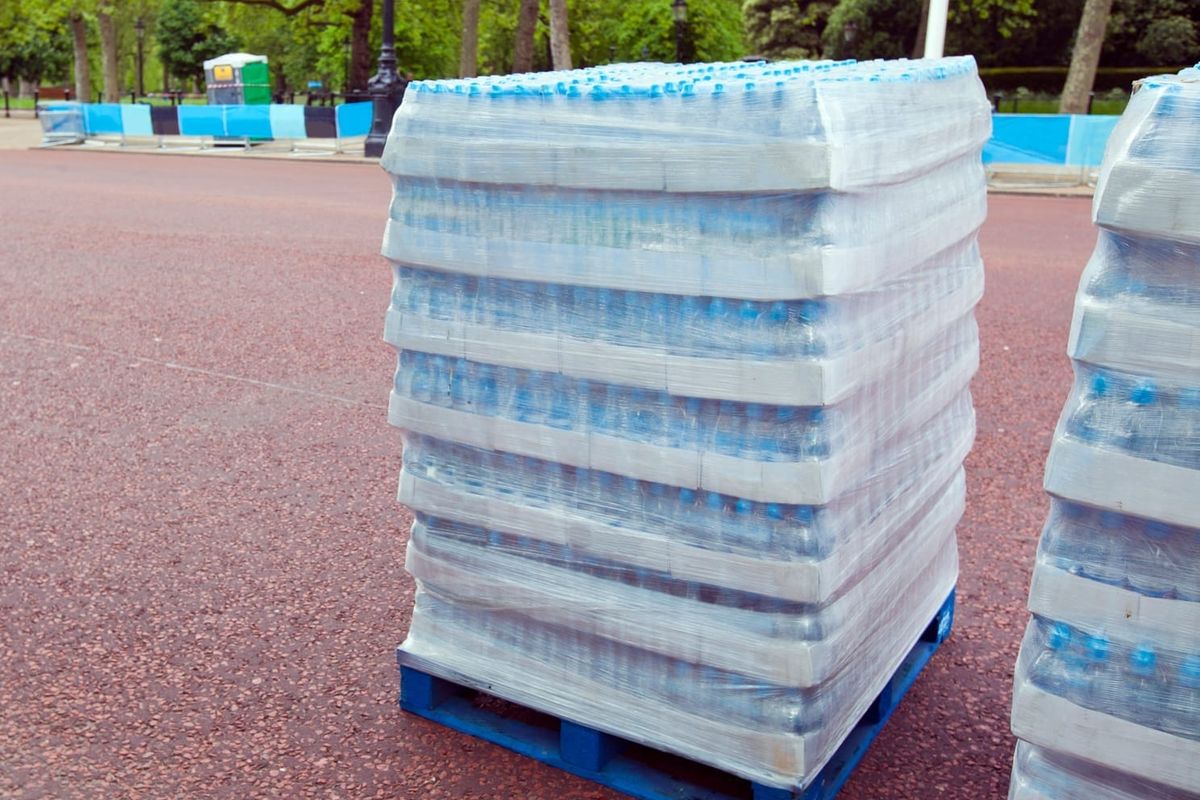
Bottled water stations became one of the most visible parts of the response. The report notes that staff working at those sites were often praised, with customers describing them as organised, helpful and polite. The wider system was less well regarded. Customers reported long queues, severe traffic congestion, difficulty carrying water without access to a car, and confusion when station locations changed or supplies ran out.
More than 40% of customers who used bottled water stations said the amount they received was not sufficient for their household’s needs. Many had to buy additional bottled water, return to stations, ask others to collect water for them, or find other ways to manage.
The findings are particularly uncomfortable regarding support for vulnerable customers. South East Water, like other utilities, operates a Priority Services Register for customers who may need extra help during emergencies. The report found that support for those customers was inconsistent. Some households received useful deliveries, but others had to chase support, received too little water, or received nothing at all. Around half of Priority Services Register customers said they did not receive the support they expected.
In some cases, deliveries were left in inaccessible places, creating additional problems for people with mobility issues or health conditions. Others were unclear about what support they were entitled to. Very few customers said South East Water proactively checked whether they had additional needs or required extra help while supplies were disrupted.
One of the more notable parts of the report is that many customers were not demanding perfection. They accepted that outages can happen. What they expected was honesty, visible control and clear evidence that someone was taking responsibility. The damage to trust appears to have come less from the fact that the incidents happened, and more from the perception that the company was not fully open about what had gone wrong or realistic about when things would be fixed.
That damage is now changing how people behave. Around half of affected customers say they now store bottled water at home in case of future incidents. A quarter of those affected by the November and December incident said they felt less comfortable using tap water for washing or brushing teeth. Others reported buying bottled water more often, drinking less tap water, or using tap water less for cooking.
This is where the report moves beyond a review of two bad incidents. It shows a basic household assumption beginning to weaken. Tap water is supposed to be the thing that does not require thought. After last winter, some South East Water customers now think about it every day.
The timing is awkward for the company. Ofwat is already investigating South East Water’s customer care during the winter outages. Earlier this year, the regulator proposed a penalty of more than £22m over previous supply failures between 2020 and 2023. Since the incidents covered in this report, parts of Kent have seen further disruption, including more recent problems during periods of hot weather.
South East Water has apologised for the winter outages and says it is making changes to how it manages supply interruptions, including updates to emergency procedures, improvements to treatment works, pipeline upgrades, increased spare stock levels and better customer communication.
That is now the test. The report’s central message is not simply that customers were angry or inconvenienced. It is that many felt left to work things out for themselves at the moment they most needed clear information.
For a water company, that is a serious failure. For customers who now keep bottled water in the house just in case, it is not yet one that has been repaired.
The Kent Current is now on WhatsApp.
We’ve launched a WhatsApp channel for Kent Current. We won’t flood it with posts, but we will use it to share new stories and occasional major updates from across the county.
If you’d like our journalism somewhere a little closer to your lock screen, you can follow along there.
Council matters
Meetings this week:
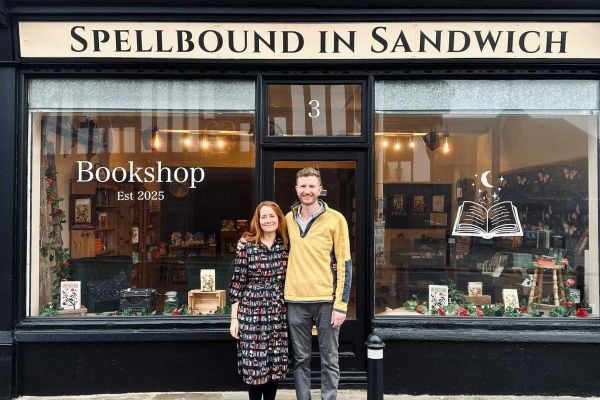
- Dover: Cabinet will meet tonight (Monday) to talk about affordable housing, including the purchase of sites in Sandwich and Aycliffe.
- Swale: Council holds an extraordinary meeting tonight (Monday) to discuss local government reorganisation.
- Canterbury: Cabinet meets on Tuesday to discuss social housing standards, homelessness, planning enforcement, and more.
- Kent: Scrutiny Committee will examine the price increase of the Kent Travel Saver on Thursday after the Greens, Lib Dems, and Restore called the decision in.
- Medway: Regeneration, Culture and Environment Overview and Scrutiny Committee will discuss bus services, Southern Water, developer obligations, and more on Thursday.
- Ashford: Cabinet meets on Thursday to discuss a lot of policies and strategies.
- Maidstone: Licensing Committee will decide how hard to go after cake shed operators on Thursday.
New planning applications:
- Maidstone: Scoping opinion for 5,000 new homes at Lenham Heath.
In brief
🏘️ Folkestone & Hythe District Council has seen its temporary accommodation bill more than double in the past year.
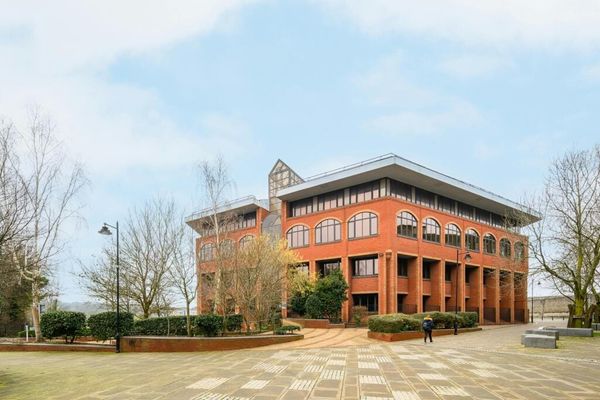
🏢 Office buildings in Kings Hill are set to be turned into housing due to their unviability for commercial use.
🏚 Broadstairs is set to gain Kent's largest HMO.
🏗️ Nigel Farage is planning a £700,000 upgrade to his Greatstone house.
➡️ A Reform county councillor has called IVF a 'lifestyle choice,' and that people with low incomes shouldn't have children if they can't afford them.
🚔 Kent Police have vowed to tackle summer troublemakers 'head on.'
🚉 Meanwhile, East Thanet MP Polly Billington thinks trouble in Broadstairs could be reduced by introducing ticket barriers at the station.
🌊 Ruffians keep riding jet skis around Folkestone Harbour.
💃 Margate Winter Gardens is set to reopen in March 2027, with the first performance being.. sigh.. an Abba tribute band.
😎 Sevenoaks District Council might have to spend £400,000 fighting an appeal after it rejected a solar farm.
🤖 Amazon have introduced our new AI robot overlords in Dartford.
💣 At least once a month, it's good to be reminded of the 1,400 tonnes of explosives sitting off the Kent coast.
Keeping track of Kent properly takes time, travel and a fair amount of patience. Kent Current only exists because some readers choose to support that work. An annual subscription costs £1.15 a week and helps keep it going.
Property of the week
This week’s property is a former sweet shop in Oare, now a Grade II listed one-bedroom cottage that has been restored hard enough to feel genuinely finished, not just freshly painted. It is laid out over three floors, with an open-plan lounge and dining space, a kitchen with a butler sink, and a cellar accessed via a hatch in the lounge for storage or anyone who misses the idea of a hiding place. Upstairs, the bedroom comes with French doors onto a private balcony, and the bathroom has a freestanding bath, because even former sweet shops are not allowed to be modest anymore. Outside, there is a separate courtyard garden with a summer house for sheltered sitting, and it is available for offers in excess of £250,000.


Events this week
🌸 12 - 14 Jun - Glorious Gardens Weekend // Penshurst Place celebrates its gardens with a weekend of floral displays and garden-focused activities. Penshurst Place, near Tonbridge. Tickets £15.
🌈 Sat 13 Jun - Big Gay Out // Maidstone Pride’s family-friendly afternoon of performances, stalls and community celebration. Brenchley Gardens, Maidstone. Free.
🎸 Sat 13 Jun - IntraFest // Festival with music, street food, theatre, creative activities, and lots more. Various locations, Chatham. Free.
🥐 13 - 14 Jun - Le Weekend // Sandwich goes French and medieval for a weekend of re-enactments, markets and continental charm. Sandwich. Free.
Footnotes
Follow us elsewhere: Facebook, Instagram, BlueSky, and now WhatsApp for new story alerts.