“We need to make sure that Parliament looks like the places that it represents”
What we asked Dr Lauren Sullivan, Labour MP for Gravesham
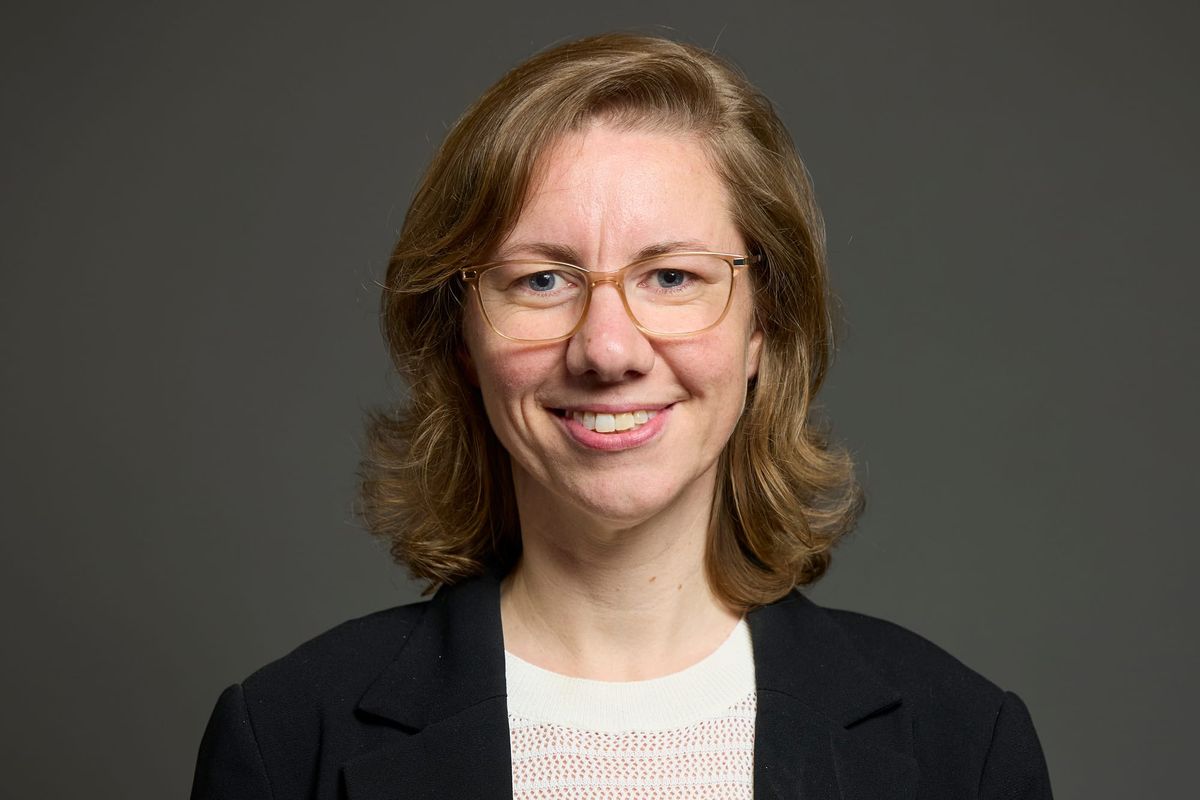
As part of our series of interviews with Kent's MPs, Steven went to Gravesend to meet Dr Lauren Sullivan. When the temperature was too high to meet at her office, they met at the Gravesend Civic Centre, where they discussed what brought her to Gravesend, neglected tropical diseases, artificial intelligence, and lots more.
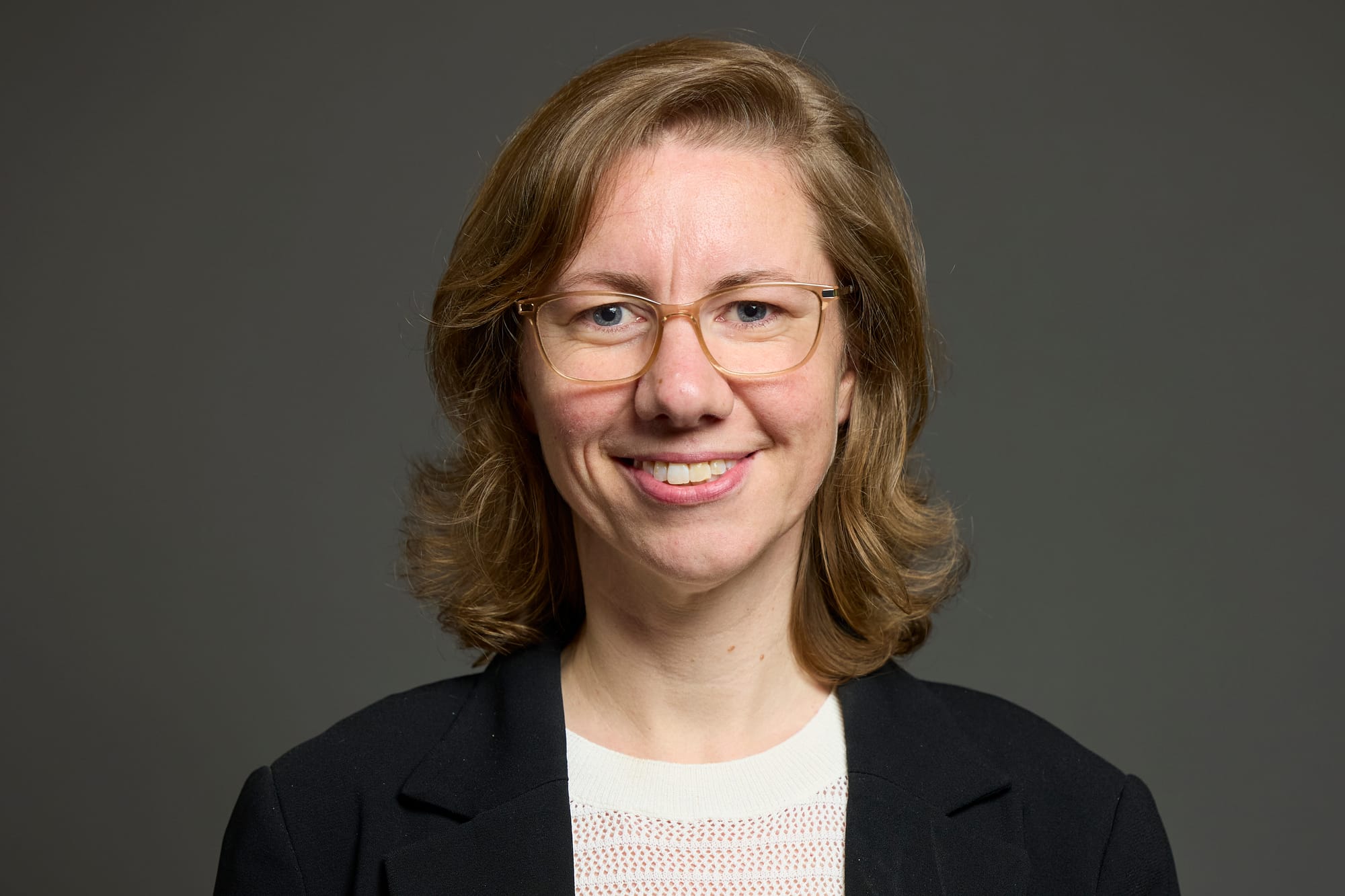
Dr Lauren Sullivan is the Member of Parliament for Gravesham and a newly promoted Parliamentary Private Secretary in the Burnham government. “Is this a therapy session?” she asks when I ask her to describe the role.
Lauren first stood for Parliament in 2019 before winning Gravesham in 2024. The two campaigns were very different, not least because of the weather.
“It was very cold,” she remembers of 2019, “pretty miserable and I don't think people enjoyed opening their doors in the dark to talk to me.”
Lauren describes herself as a go-between linking Gravesham with government. “In parliament I am, as much as I can be, the voice of Gravesham.” The role also means challenging organisations including councils, health services and the police on behalf of constituents.
“I can speak without prejudice in the chamber,” she says, describing the freedom Parliament gives her to champion causes and speak up for Gravesham.
One of Lauren’s most prominent local campaigns is the effort to restore the Tilbury Ferry.
“It's important for so many reasons,” she says. One is historical. “There’s been a ferry crossing here since Roman times. It’s a part of our legacy.”
The other is economic. “It is having an impact. When I speak to visitors on the high street, it has meant that they've had to let staff go because we're not getting the visitors.”
The Tilbury Ferry between Gravesend and Essex stopped running in 2024 after its funding arrangements collapsed.
Cruise passengers arriving at Tilbury also used the ferry to visit Gravesend, including St George’s Church and the burial place of Pocahontas.
“I am on the case.”
When Andy Burnham became Prime Minister, his first visit was to Gravesend. Lauren believes the choice was significant. “I think he picked here because he recognises that it's not all about the north. It's about places that have been forgotten and left behind.”
The ferry also forms part of a much longer history of Gravesend as a destination from London. “Gravesend was a seaside town for Victorians to escape London.”
“It's about how we facilitate getting that ferry back.”
When Burnham visited Gravesend, Lauren wasted little time. “Literally the moment he stepped onto the pier, I said ‘Can I talk to you about the ferry?’”
She is campaigning alongside Jen Craft, the MP representing Tilbury on the opposite side of the Thames.
In his subsequent speech, Burnham acknowledged Lauren’s campaign and the importance of the ferry to the community.
Born in Redhill, Lauren grew up with a mother who had worked as a nurse and a father who was first a greengrocer and later self-employed.
“My mum had to give up nursing because she had me.”
Gravesham came later. “I married a Northfleet boy.”
Lauren “mostly” enjoyed school, although dyslexia made learning more difficult. She says she succeeded because she “just tried really hard.”
Coursework helped. A chemistry project measuring the iron content in spinach gave her “the bug for science.”
“So much of work now is project management. It's not about revising for an exam. We need more coursework, we need more life skills. If I’d relied on my exams I wouldn't have gone to university.”
At sixth form, Lauren chose subjects that left both science and politics open to her: Biology, Chemistry, Government and Politics, and History.
“I couldn't decide.” She laughs. “This IS like a therapy session!”
I want to make sure that I come and bring some expertise, that I can add value
A history module on the Industrial Revolution and the Clean Air Act helped show her how the two interests could overlap.
“Because of these things that were happening to the public health of the city, they enacted laws, they changed things, and fewer people died. That is amazing.”
That link between evidence and political action still shapes how Lauren thinks about being an MP.
“I want to make sure that I come and bring some expertise, that I can add value.”
I wouldn't be here today if it wasn't for Tony Blair
Lauren joined the Labour Party more than 20 years ago, around the time she became the first member of her family to go to university.
“I was privileged and grateful and I wanted to ensure that others could have those opportunities.”
She credits Labour with helping create the educational opportunities she benefited from.
Despite Labour’s internal divisions, Lauren is clear about where she stands. She is a trade unionist and Unison member, “but fundamentally, I am in the Labour Party family.”
Of the Labour leaders she has known during her membership, she considers Tony Blair the best, while acknowledging the mistakes of his premiership, particularly the Iraq War.
“I wouldn't be here today if it wasn't for Tony Blair.”
Lauren first appeared on a ballot as a candidate for the Youth Parliament in Tandridge, Surrey.
“I had to do assemblies and go around the different schools. It was really important that we made sure that young people were heard.”
Her adult political career began in 2015, when she was elected to Gravesham Borough Council in Northfleet North. Two years later she won Gravesend West on Kent County Council, eventually becoming leader of the opposition.
I ask how she would approach working with KCC’s new leadership if she were still opposition leader.
“That's interesting. I don't know them, and working with people is based on relationships and knowing that you're going to be held to account.”
Having represented Gravesham at borough, county and parliamentary level, Lauren has experienced all three tiers of local government. So what does she make of Option 4B, the model chosen for reorganisation?
“I think it's probably the least worst.”
She expects the transition to be difficult, but believes moving to a single tier of local government could ultimately make responsibilities clearer.
Her example is gloriously mundane. “For instance, if we're seeing a lot of weeds on the side of the road, and not some wildflowers which are absolutely beautiful and should be supported, but weeds. That is a Kent County Council issue. As soon as they are dead plants, they are considered litter, and that is for the borough council to pick them up.”
She believes keeping Gravesham intact “is a good thing because there is a strong Gravesham identity. We have just got to make sure we keep hold of that in this new structure.”
Lauren Sullivan’s route to Parliament took her through science and local government. Since becoming an MP, she has also taken on a new role working on artificial intelligence.
Register for free to keep reading about her work developing a test for African sleeping sickness, what she thinks AI could mean for government, and the lessons she believes aspiring MPs should learn before reaching Westminster.