What Kent’s budget means in practice
Council tax choices, pressure on services, a challenge to democratic norms, and a rail recovery that looks very different depending on where you live
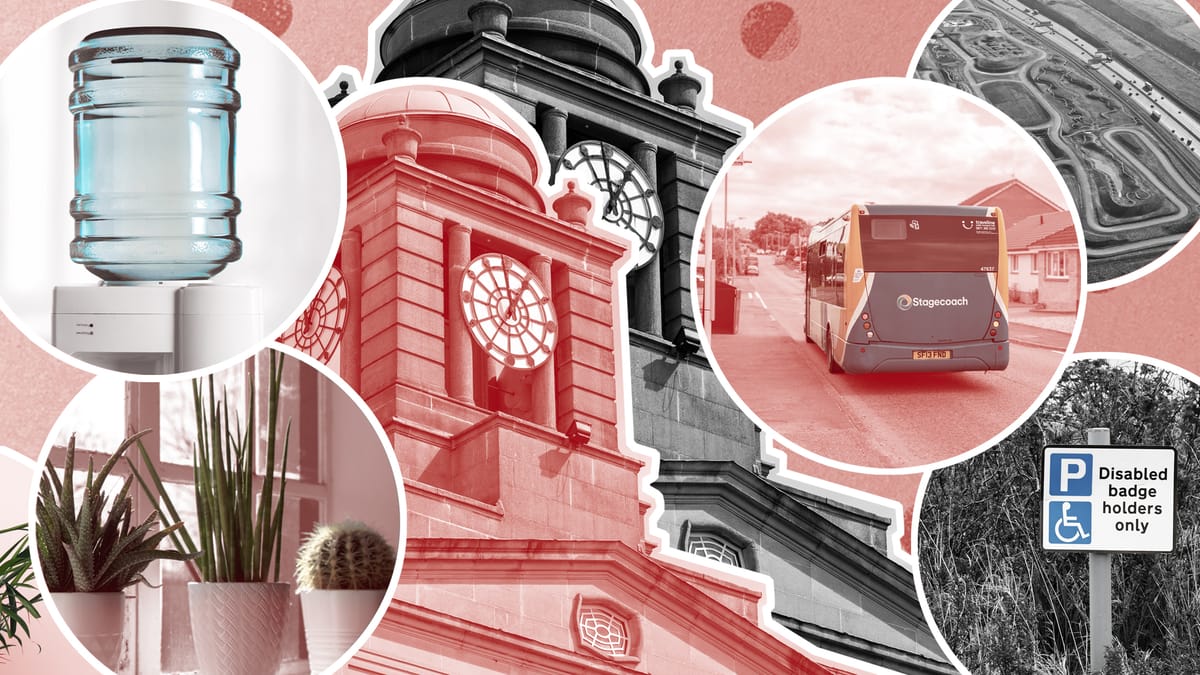
This week’s Kent Current looks at what Kent County Council’s draft budget actually means once it lands in the real world, from council tax decisions and service cuts to the quieter trade-offs buried in the savings schedule. We also report on a growing challenge to local democracy as far-right activists openly reject elections in favour of intimidation and disruption, and examine what the latest rail figures really tell us about Kent’s uneven recovery from the pandemic.
Kent’s budget aims for stability while pressures continue to grow
Kent County Council is asking councillors to sign off a budget it says marks a turning point for the authority after a period of significant financial challenge.
The draft proposals for 2026/27 set out a net revenue budget of around £1.65bn and include a proposed council tax rise of 3.99%. The administration says the plan reflects stabilising finances, falling debt and a renewed focus on delivering for residents.
But behind the language of recovery, the budget papers describe a council still operating under emergency spending controls, drawing down reserves to balance the books, and facing deep structural pressures in adult social care and SEND.
Adult social care is forecast to overspend by nearly £50m this year. The Dedicated Schools Grant is expected to be in deficit by £67.8m, pushing the cumulative DSG shortfall to more than £136m by March 2026. Officers within the council have been told to freeze recruitment, cancel discretionary spend, review procurement orders and justify every pound.
When it came to setting next year’s budget, the council made a clear political choice.
It opted for a 3.99% council tax rise rather than the full 4.99% permitted without a referendum.
That missing 1% is worth roughly £10m a year in permanent spending power.
In the context of a £1.6bn budget, £10m does not transform the council’s finances. But in a year when KCC is warning of an unprecedented financial challenge and is working to close a £43.5m in-year overspend, it is a meaningful sum.
The budget papers show that the gap left by not taking the full council tax headroom is being filled through a combination of new savings, additional income, capital receipts and reserve drawdowns.
Some of those savings are large and structural, including plans to renegotiate mental health funding with the NHS, tighten adult social care commissioning and increase charges to service users.
Others are smaller and more visible.
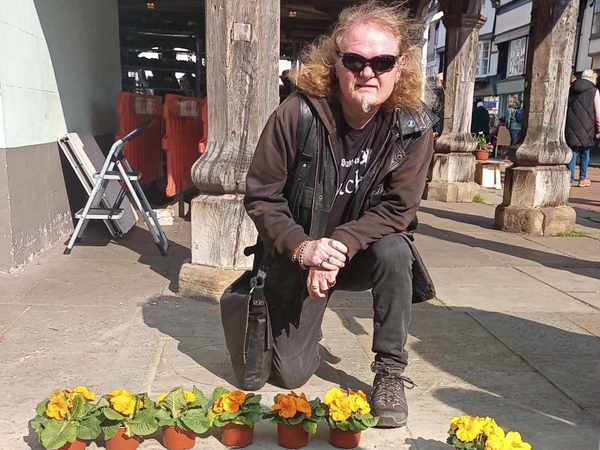
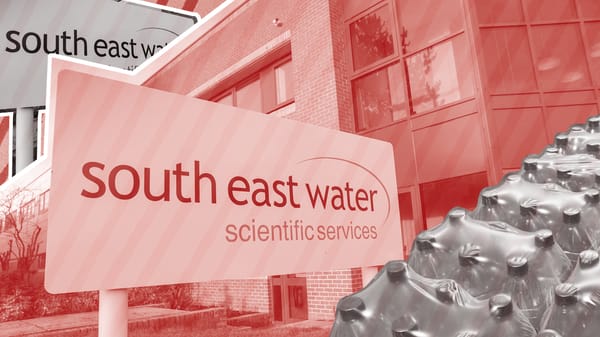
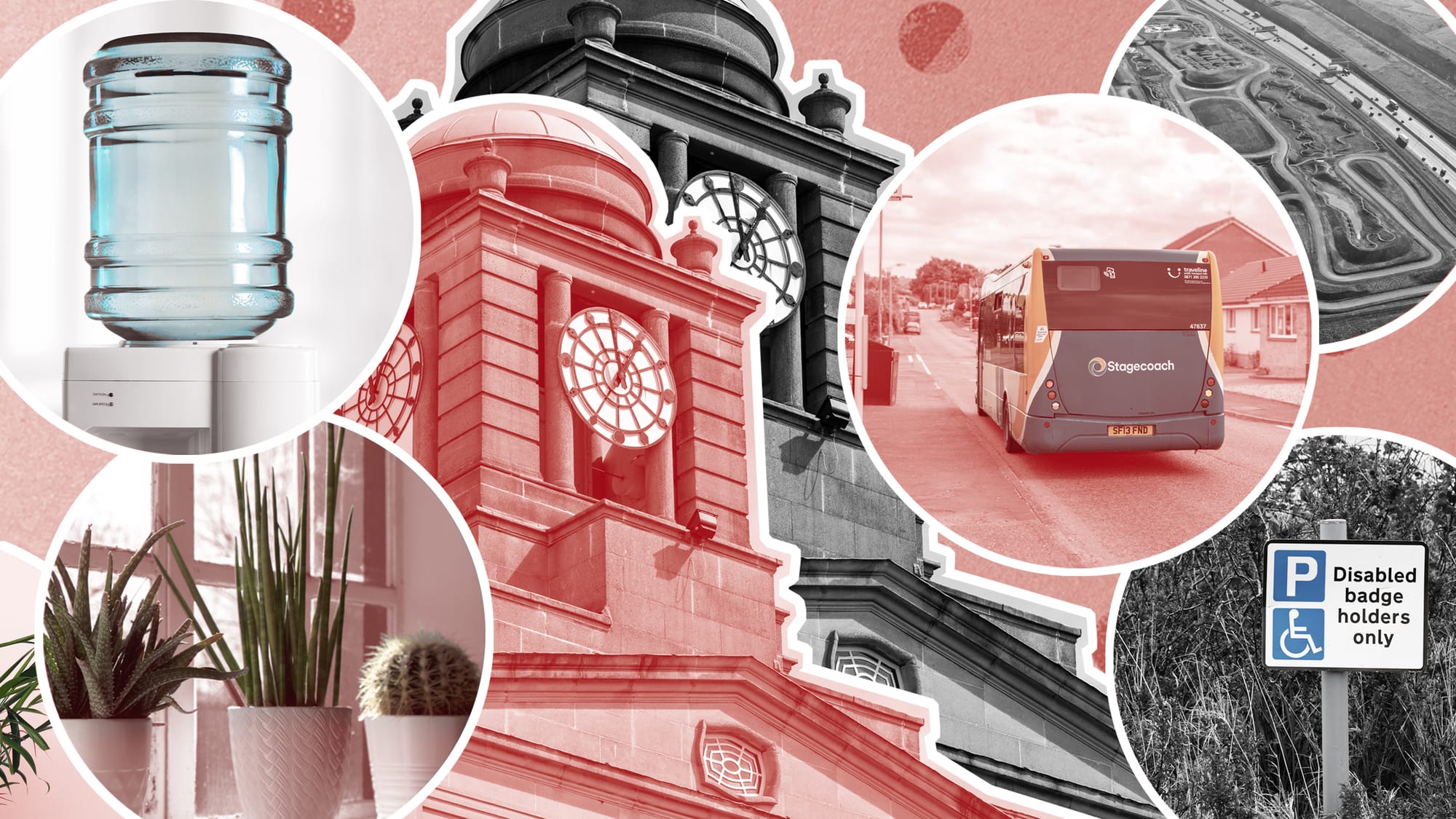
The savings schedule includes proposals to remove bottled water from council offices, end spending on office plants and greenery, disband several council committees, remove Blue Badge parking concessions at country parks, reduce grants to Kent Music School, cut the council’s subsidy to Cyclopark in Gravesend, and review youth travel discounts under the Kent Travel Saver scheme.
In one line of the budget, the council is banking a £6,000 saving from using AI in school admission appeals. Another saves £5,000 by ending the County Car’s running costs.
Together, these measures are presented as part of the council’s financial recovery plan. Individually, their financial impact is modest. Charging disabled visitors to park at country parks is expected to save about £130,000. Cutting Cyclopark’s subsidy saves £35,000. Reducing Kent Music School’s grant saves £57,000. Abolishing council committees saves £75,000.
But they sit alongside larger measures, including £16m of reserve drawdowns and £9m of capital receipts, which are being used to help balance the 2026/27 budget.
The administration says the draft budget reflects progress since it took office.
Announcing the proposals earlier this month, KCC Leader Linden Kemkaran said the council had inherited a “very serious financial situation.”
“When this administration took office, the Council was facing a very serious financial situation,” she said. “KCC was saddled with more than £700 million of debt, around £84,000 was being spent every day on interest alone, and pressures on vital services were continuing to grow.”
She said the council had responded “calmly and responsibly.”
“Since then, we are on track to deliver £100 million of savings and income, we have reprofiled almost £40 million of future spending, and we have reduced the Council’s debt by £67 million,” she said. “Kent County Council’s financial stability is improving, and we are now firmly focused on delivering for residents.”
Kemkaran described the draft budget as a balanced financial plan that delivers value for money while prioritising the services residents rely on most. She said it reflected feedback from the council’s budget consultation.
“These proposals reflect the real priorities of Kent residents,” she said. “People took the time to share their views, and we listened.”
She also framed the council tax decision as evidence of sound financial management.
“A key element of the draft budget proposals is the proposal for the council tax charge in 2026,” she said. “Through sound financial management and efficiencies, the council has been able to keep the proposed increase below the level previously expected.”
The draft budget proposes a council tax rise of 3.99%, rather than the 5% anticipated when the administration took office.
“This has been achieved while protecting frontline services,” Kemkaran said. “In fact, many services will see increased spending because of the difference they make to people’s lives.”
Conservative councillor Andrew Kennedy claimed in a social media post that “the sums don’t add up.”
He pointed to a £50m budget overspend alongside a £50,000 cut to crisis grants and £120,000 spent on political advisers.
“Adult Social Care costs out of control. Reserves raided. Council Tax up £40 million despite promising to cut it,” he said.
Kennedy has also challenged claims that Kent’s financial difficulties stem from historic borrowing, arguing that councils are legally required to balance their budgets and that long-term borrowing is how authorities fund major infrastructure.
“Councils therefore borrow money from HM Treasury via the Public Works Loan Board,” he said. “The interest paid is typically 3%–4%.”
“Just as any business would borrow to invest in new plant and production, or any family would have a mortgage to pay for their home.”
He said Kent’s borrowing had paid for projects including Peters Bridge, New Court Road in Burham, All Saints Primary School, the Turner Contemporary, the Kent History and Library Centre, the Coldharbour Roundabout and the Allington Household Waste Recycling Centre.
“While £800 million sounds like a lot of money, it represents just six months’ income for KCC,” he said. “When that borrowing is repaid, KCC will own the asset, just like you will own your home when your mortgage is paid.”
Deputy Leader of KCC Brian Collins said the administration's proposals were “responsible, transparent and focused on the people of Kent”.
“I am proud of the work that has gone into stabilising the Council’s finances, and proud of the dedicated staff who serve this county every day,” he said.
The internal budget papers, however, show that emergency spending controls remain in place and that the council is relying on one-off measures to keep the budget balanced.
The medium-term financial plan shows spending continuing to rise faster than funding, with the gap closed through a combination of new savings, new income, capital receipts and reserve drawdowns.
The biggest pressures in the system also remain unresolved.
Demand for adult social care continues to rise. Placement costs continue to climb. The high needs SEND system remains under severe strain. Demographic change is pushing spending higher year after year.
Against that backdrop, the council is also seeking to project confidence and momentum.
This week, KCC announced an update on Folkestone’s Road of Remembrance, which has been closed since a major landslip in January 2024.
“We know how important the Road of Remembrance is to Folkestone,” the council said on Facebook. “Today we’re sharing some big news.”
In a press release, KCC said it intends to deliver major engineering works to stabilise the collapsed cliff and reopen the road after almost two years of closure. The council described the scheme as a £5m project and said it intends to allocate significant funding towards it within the draft 2026–27 budget.
Peter Osborne, the Cabinet Member for Highways and Transport, said: “Reopening the Road of Remembrance matters deeply to residents, businesses and everyone who understands the history of this iconic route.
“I’m really pleased that we have now identified a significant proportion of funding that will allow the specialist works to start. If the Council’s budget is agreed next month, we’ll be in a position to move forward, appoint contractors, and could see work start in early summer.”
“Getting this road open again will not only restore an important historic link but will also support local businesses and contribute to the wider economic regeneration of Folkestone,” he said.
However, the Road of Remembrance scheme does not yet appear as a named project in the draft capital programme that councillors are being asked to approve.
The capital programme lists major highways and infrastructure schemes line by line with total scheme costs and annual profiles from 2026–27 onwards. There is no specific allocation for the Road of Remembrance project.
That does not mean the scheme will not go ahead. The press release makes clear that it would still need to go through a formal decision-making process even if the draft budget is approved.
But it does mean that, at this stage, the project sits between political announcement and formal budget commitment.
That tension has been seized on by opposition councillors.
Kent’s Liberal Democrats have focused on the council tax decision.
“In May, Reform said ‘vote for us to cut Council Tax’,” the group said. “In January, Reform announce they will put Council Tax up.”
“And they are cashing in the Council’s emergency reserves. Let’s hope there isn’t a bad winter.”
The Lib Dem group said the budget had been hidden for as long as possible and accused the administration of breaking trust with voters.
“You can’t trust a word Reform say,” they said.
The administration argues that the council is on a more stable footing and that the draft budget represents a step forward after a difficult period.
But the budget papers show an authority still managing acute financial pressures, relying on one-off measures to balance its books, and asking councillors to approve a plan built on a wide range of savings, charges and service reductions.
The decision not to take the full council tax headroom is central to that picture.
A 4.99% rise would not resolve Kent’s financial challenges. But it would remove the need for some of the smaller, highly visible cuts now built into the budget.
Instead, residents are likely to experience the financial settlement not as a single tax decision but as a series of changes across everyday life, from parking charges and travel discounts to cultural grants and public amenities.
That is the context in which councillors will be asked to endorse the draft budget next month.
It is a budget presented as a recovery plan, but one that still carries the hallmarks of a council operating under severe financial strain.
We can only do this kind of reporting thanks to the readers who generously choose to support our work. If you value our journalism, please consider joining them. A Kent Current subscription costs £1.15 per week over a year and helps us build a better way of telling the stories that matter to our county.
Kent’s far right stops pretending to play by democratic rules
Far-right activists in Kent are now openly arguing that elections are irrelevant and that councils should instead be subjected to sustained pressure and disruption until they get the outcomes activists want.
New reporting by Searchlight, based on activists’ own public videos and posts, shows leading figures in Kent’s far-right scene discussing tactics that amount to the intimidation of local government rather than participation in it.
Central to this is Harry Hilden, who has organised repeated anti-migrant demonstrations across the county. In a recent video, he dismissed street protests as ineffective and announced a shift in focus towards Kent County Council, starting with a planned march on County Hall on 28 February.
Hilden told supporters they should attend council meetings to oppose decisions he claims put communities “in danger,” explaining that he has now worked out when those meetings take place. The dates and times of council meetings are published openly online as a basic feature of democratic transparency. Searchlight notes that his comments echo previous mobilisation that went far beyond peaceful attendance.
Last month, a meeting of Swale Borough Council was suspended twice after a coordinated group of activists subjected councillors to sustained abuse during a debate on a sanctuary motion. Councillors reported spitting, eggs being thrown and feeling unsafe in the chamber. Toilets were vandalised, a lift was damaged and parts of the building were flooded. Hilden was identified by name during the meeting and later appeared online dismissing or attempting to justify what had happened.
If Hilden’s pitch is about organised pressure, Jodie Scott has been even more explicit in rejecting democratic norms altogether. In recent videos, she described protests as “a waste of time” and argued that activists need to escalate their actions against what she calls “the establishment.” Reflecting on a large far-right march in London last year, she suggested it should have turned into an attempt to “storm the gates” and “arrest” political leaders for alleged crimes, drawing on conspiracy theories about vaccines and so-called crimes against humanity.
When some of her own followers challenged this rhetoric, Scott accused critics of trying to silence her while removing dissenting comments from her own pages. The videos and exchanges remain publicly visible.
Taken together, the material does not describe a protest movement seeking to influence policy. It describes a network that is increasingly explicit about bypassing elections, confronting councillors and disrupting the normal functioning of local government.
The shift is particularly stark given that Kent County Council has been under Reform control since last May. The grievance is no longer who holds power, but the existence of democratic institutions themselves.
What happened at Swale now looks less like an isolated breakdown and more like a test run. The tactics being discussed openly for County Hall suggest councillors, staff and residents should take seriously the risk of further attempts to bully, disrupt and intimidate local democracy into submission.
Kent’s rail recovery is real and uneven
More people are using the train in Kent again, but the pattern underneath the headline figures is far from straightforward.
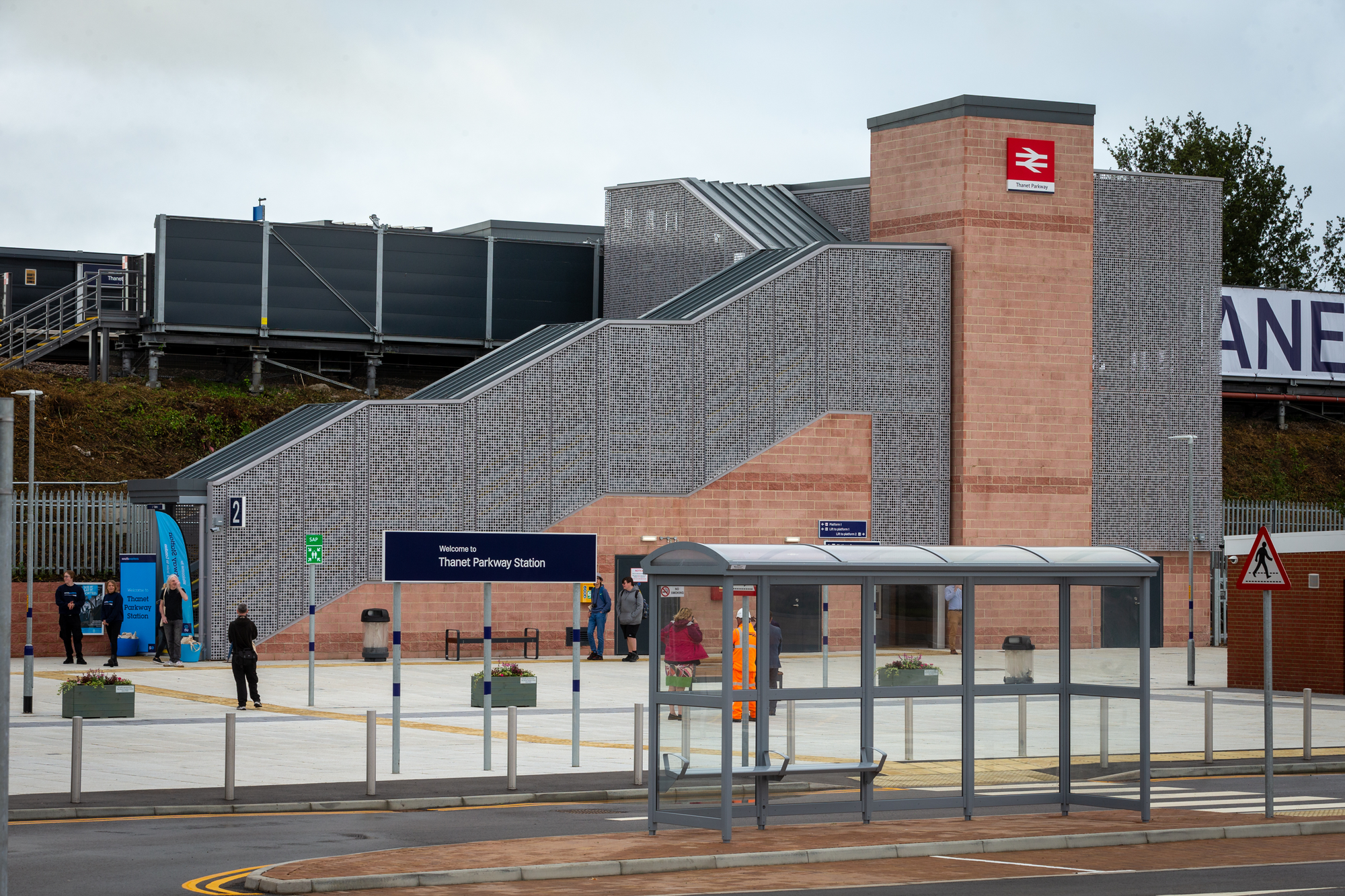
Some of the fastest growth is coming from stations that were barely used to begin with. Thanet Parkway, for example, more than doubled its passenger numbers last year. That sounds dramatic, but even after that jump, it remains one of the county's lesser-used stations, handling fewer journeys in a year than Maidstone East sees in a typical month.
That contrast runs right through Kent. Big percentage increases tend to occur at small stations, where relatively modest increases create eye-catching growth rates. The stations doing most of the heavy lifting look less spectacular on paper. A 35% rise at Maidstone East added hundreds of thousands of extra journeys. Folkestone West saw a similar effect. Those increases alone outweigh the entire annual usage of several smaller Kent stations combined.
The longer-term picture is even messier. In parts of north and east Kent, stations are now significantly busier than they were before the pandemic. Elsewhere, usage is still well below pre-2020 levels. This is not a single return to old commuting patterns, but a reshaping of how and where people travel.
Footnotes
Follow us on social media! We’re on Facebook, BlueSky, and Instagram for now.