Major Maidstone public artwork sold off behind closed doors
KCC sells off a Maidstone landmark as its first political assistant exits early, and the Swanscombe Hole enters a funding lottery

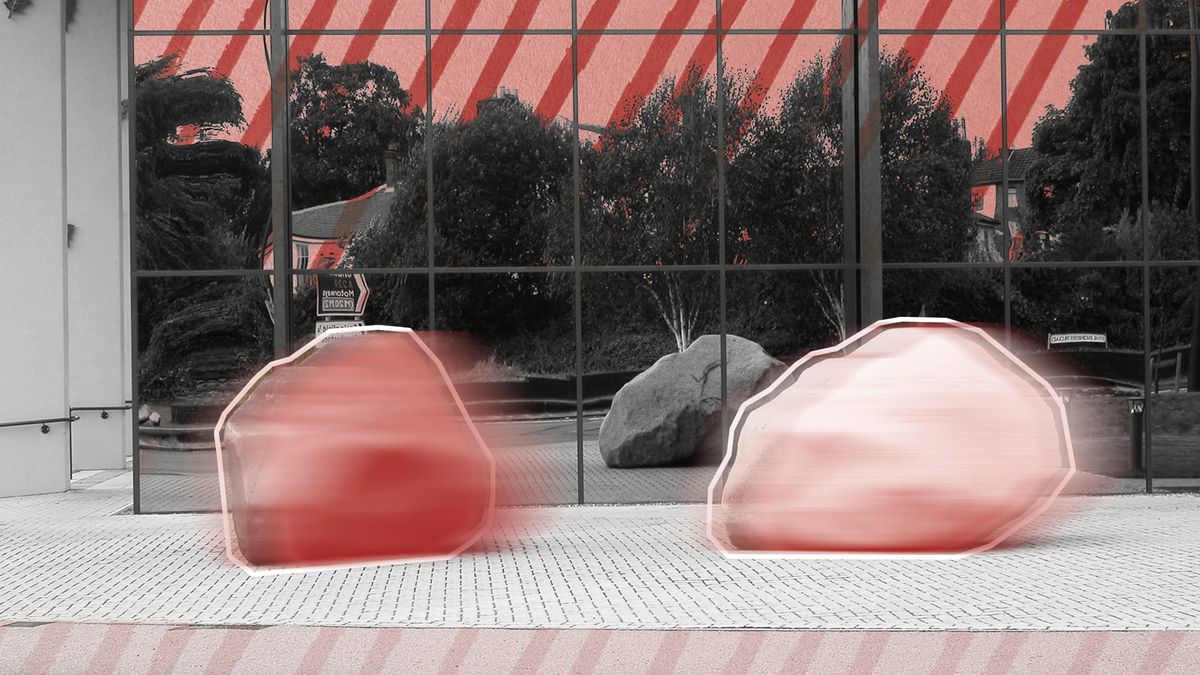
Kent County Council has confirmed it sold Antony Gormley’s Two Stones from outside Maidstone library, raising fresh questions about how one of the town’s best-known public artworks was disposed of. We also look at the abrupt end of County Hall’s first political assistant, and the latest stage in the long-running effort to get the Swanscombe Hole repaired...
Maidstone’s Antony Gormley is gone, and the council won’t show its working
Kent County Council has sold Antony Gormley’s Two Stones from outside Maidstone library back to the artist, saying the private sale was part of efforts to deal with its financial pressures.
It has not said how much it received for the work, who signed off on the sale, or what formal scrutiny the decision went through.
That is not a minor omission. Selling a major public artwork is one thing. Doing it through a private sale, then declining to explain the price, valuation or approval route, is another.
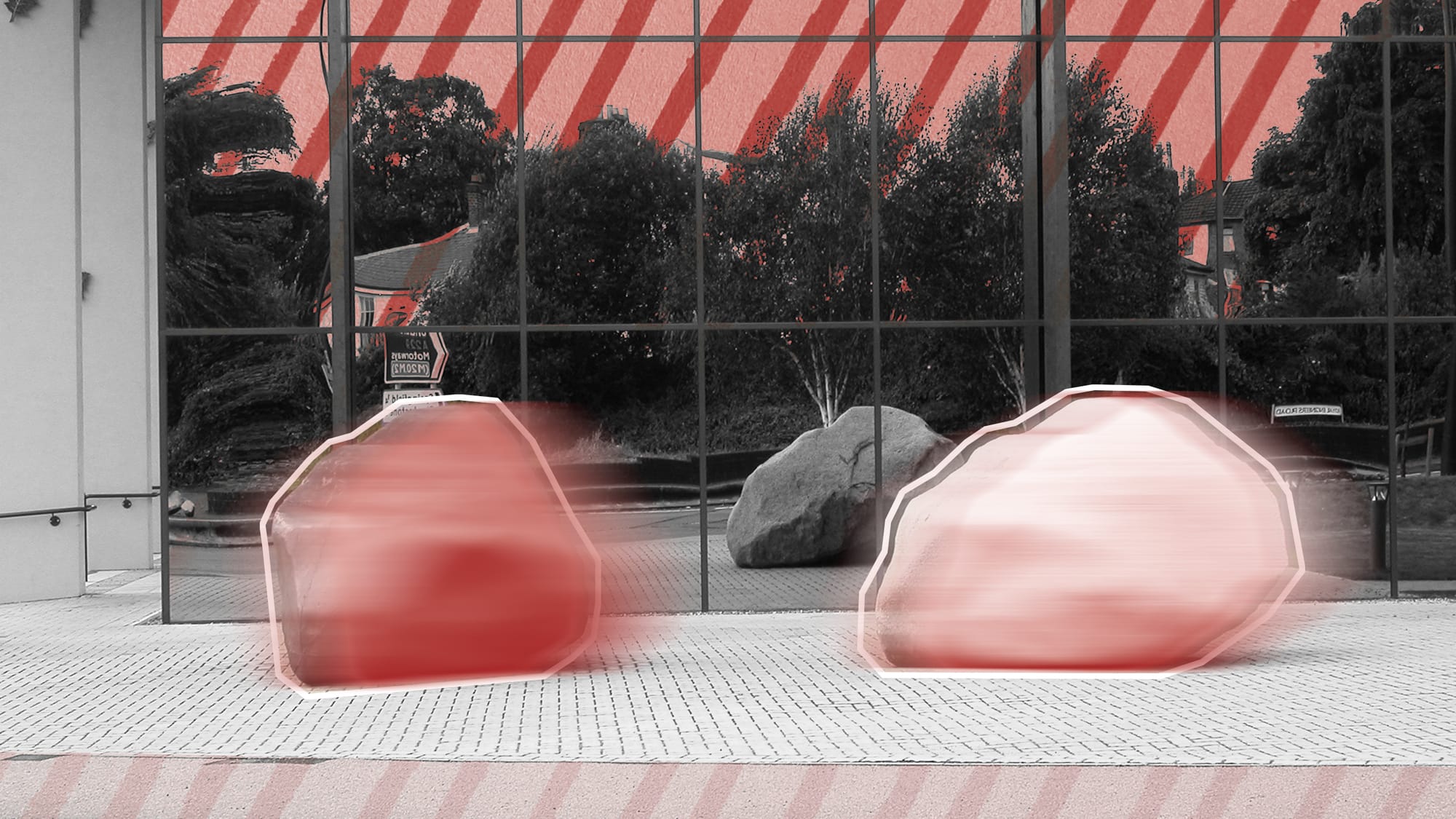
Two Stones was not tucked away in storage or forgotten in some County Hall corner, like some of the artwork previously sold off by KCC. It sat outside the Kent History and Library Centre in Maidstone, one of the county’s main public buildings, and it was by one of Britain’s best-known sculptors. Gormley studied at Maidstone College of Art, which gave the work an obvious local resonance as well as artistic value.
For years, it was treated as part of Maidstone’s public realm. Maidstone Borough Council’s own public art material described it as having been commissioned by KCC in 1979 and relocated to Maidstone from Ashford in 2013 after repairs. Gormley’s own website listed it as a permanent installation at the Kent History and Library Centre.
Then it disappeared.
Rumours began to spread that KCC had sold it off. At first, that was just a rumour, though a fairly pointed one. Then Cllr Stuart Jeffery, the Green leader of Maidstone Borough Council and also a KCC councillor, said publicly on Facebook that KCC had sold the work and that he had received confirmation from a KCC director.
KCC has now confirmed that was true.
A council spokesperson told the Kent Current: “KCC recognises the cultural significance of Two Stones and Antony Gormley’s connection to Maidstone, therefore the decision to sell Antony Gormley’s Two Stones back to the artist was taken carefully as part of KCC’s ongoing work to manage the significant financial pressures facing Kent. Kent is in a similar position to most other local authorities in having to make difficult financial decisions.”
“The private sale enables the council to raise income without increasing costs for residents or reducing frontline services. Returning the works directly to the artist also ensures their ongoing care and preserves the potential for future public exhibition.”
“Responsible leadership requires difficult decisions to ensure the council remains financially sustainable while continuing to support culture in ways that are affordable and appropriate. The sculptures were dispatched at the end of March to be reunited with Antony Gormley.”
There is plenty in there for KCC to point to. The council has an explanation and says the decision was taken carefully. It says the sale was driven by financial pressure, and that selling the work back to Gormley ensured its future care and at least kept the possibility of future public exhibition open.
But it is also asking the public to take a great deal on trust.
This was a private sale of a significant public artwork. KCC has not said what price it achieved. It has not said whether the sculpture was independently valued before the sale. It has not said who authorised the disposal or whether there is a formal decision record setting out how and why the decision was made.
Those are basic questions, not awkward ones.
KCC’s own 2024/25 Statement of Accounts, published only a few months ago, still listed the 'Antony Gormley Boulders Sculpture' as a council-owned asset with a value of £859,000. That does not mean the council sold it for that figure. Asset valuations and sale prices are not the same thing. But it does make the silence harder to shrug off. If a council chooses to sell an artwork it recently valued at £859,000 in a private deal, it is not unreasonable to expect some public explanation of what it got and how the decision was reached.
The Kent Current asked KCC follow-up questions seeking the sale value, the date the decision was taken, who authorised it, whether there is a formal officer or councillor decision record, and whether the work was independently valued before the sale. It did not respond.
Councils do, from time to time, sell assets. Nobody needs to pretend local government finances are in rude health. KCC is right that councils are under real pressure and that difficult decisions are being made across the country. But if the answer is to dispose of public cultural assets, the least the public can expect is clarity about the terms and process. Instead, KCC has confirmed the sale while declining to answer the most obvious questions about it.
That has, perhaps unsurprisingly, gone down badly in Maidstone.
Cllr Stuart Jeffery, leader of Maidstone Borough Council, said: “Reform are happy to fund their spin doctors from public money, and they seem to have no qualms about selling important public art to balance their books. That says volumes about their values.”
“Just imagine if the Angel of the North got flogged off? The Two Stones may have a lower profile but they are important art and are really special to Maidstone with Gormley’s history here. Reform have no insight into governing or leading communities. This sale is shameful.”
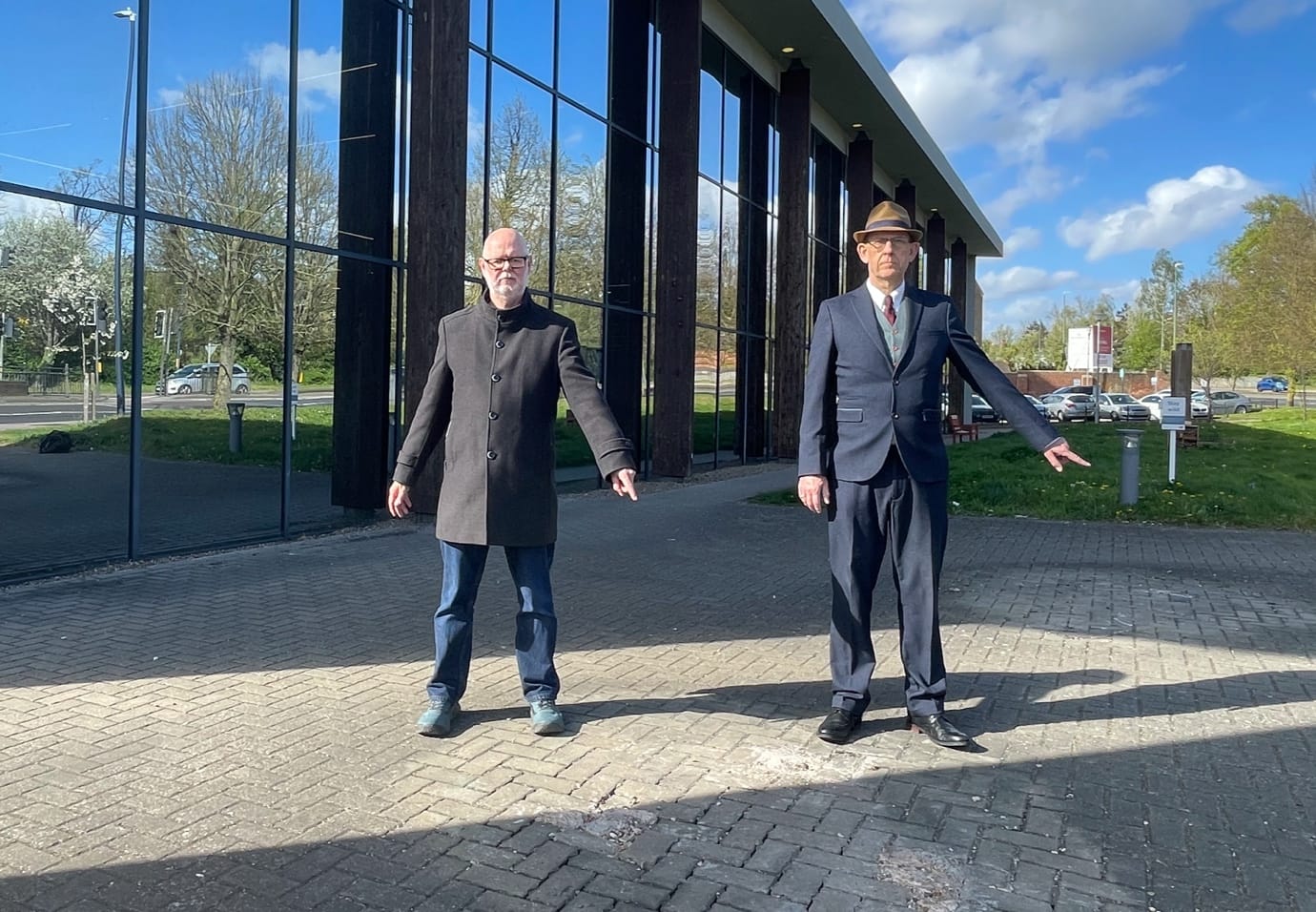
Stephen Thompson, the Green cabinet member at Maidstone Borough Council whose brief includes arts, culture, heritage and tourism, said: “I’m furious. While Maidstone Borough Council is working hard to promote culture and art, the actions at KCC are the complete opposite of what we are doing.”
“Not content with flogging off the county’s art collection, they have now robbed us of a major piece of public art at the library. Gormley’s Two Stones contrasts the real and the artificial. The fact that KCC have surreptitiously sold this off in a further feeble attempt to ‘balance the books’ really demonstrates the huge difference between our two councils.”
The party politics here are obvious enough. Reform runs KCC, while the Greens run Maidstone Borough Council. Nobody was going to resist the temptation to turn this into a row about values and priorities.
Still, the politics are not the most interesting part. The more revealing point is what this says about how KCC now appears to view public assets that are awkwardly non-essential. Two Stones was part of Maidstone’s civic landscape until it suddenly was not. The council decided it could be turned into cash and offered a justification only after questions started flying.
Even then, it offered only the broadest possible account. It says the sale was taken carefully. Fine, but show the care. Show the valuation, the approval route and the price achieved. Show the public what sort of stewardship this was supposed to be.
Until then, what remains is a fairly bleak picture. One of Maidstone’s best-known public artworks has been removed and sold in a private deal because KCC wanted the money. The council has confirmed that much. On the details that would let the public judge whether it handled the sale properly, it has so far chosen not to say.
County Hall’s first political assistant barely lasts four months
Kent County Council had never had political assistants before. Reform changed that in December, pushing through the creation of the taxpayer-funded roles despite a fairly obvious row over cost, timing and priorities. Four months later, its first appointee is already gone.
Michael Hadwen, the first political assistant appointed to support Reform at County Hall, has stepped down after only a short stint in the role. The immediate reason is straightforward enough. He is standing as a Reform candidate in a Suffolk County Council local election, and the rules do not allow taxpayer-funded political assistants to hold elected office.
On one level, that is just a procedural point. On the other hand, it makes the whole thing look even more absurd. Reform fought to create a brand new political role at County Hall, appeared to have its preferred candidate in mind before councillors had even voted on it, and has now lost its first appointee within months because he wants to run for office elsewhere.
The role was controversial from the outset. In December, a report to full council said political assistants could be paid up to £49,282 a year, excluding national insurance and pension contributions, and that only Reform and the Liberal Democrats qualified for one because they had at least 10% of council members. That same debate took place against a backdrop of supposed financial restraint elsewhere, with opposition councillors pointing out the contradiction between cutting in other areas while creating new political jobs at County Hall for the first time in its history.
Critics returned repeatedly to the same basic point. Committees were being cut to save money. Earlier in the year, crisis grants for vulnerable residents had been reduced in the name of savings. Yet here was the administration deciding that what County Hall really needed was political support staff.
The proposal passed anyway. But the strangest moment came during the debate itself, when Reform councillor Jamie Henderson referred to “our new appointment” and said he had already met “the gentleman” who would take up the role. That was an extraordinary thing to say at a meeting where councillors were still deciding whether to create the post at all. The role did not yet formally exist. No explanation was offered in the chamber.
That detail looked bad at the time. It looks no better now.
Hadwen’s LinkedIn profile says he held the role from December 2025 to April 2026. On its own, that does not prove he started before the post was formally approved on 18 December. LinkedIn only gives month-level dates rather than exact ones. But given that the vote happened only a week before Christmas, it does rather reinforce the impression that the recruitment process was moving very quickly indeed, if not already well advanced before councillors were asked to sign it off.
Then, almost as soon as the role was created, it began to unravel.
According to KentOnline, Reform’s explanation is that Hadwen took the KCC job after the government cancelled local elections in Suffolk, but then decided to stand once a legal challenge restored them. Whatever the internal logic, the end result is that County Hall’s first political assistant has lasted barely four months before having to step aside in order to pursue elected office elsewhere.
That may explain the mechanics of his departure. It does not make the wider episode look any more sensible.
After all the noise in December, after all the criticism over cost and priorities, and after the impression that Reform already knew exactly who it wanted, Kent taxpayers appear to have got only a few months of County Hall’s first ever political assistant before he headed off to seek election in another county.
That is awkward enough in itself. It looks sillier still because the Liberal Democrats, who also qualified for a political assistant under the rules, have said they are not planning to appoint one. That leaves Reform as the group that insisted on creating the role, filled it, and has now watched its first appointee disappear almost immediately.
Hadwen was also not an entirely obscure appointment. Last year, anti-extremism group Hope Not Hate published a piece about him, then working for Reform nationally, alleging historic social media activity, including support for Enoch Powell and favourable remarks about Milo Yiannopoulos. That reporting was already in the public domain before his brief appearance as County Hall’s first political assistant.
None of this is the biggest scandal ever to hit County Hall. But it is revealing. Reform introduced a role KCC had never had before, did so while facing criticism over cuts and financial pressure elsewhere, created the impression during the debate that the appointment was already lined up, and has now seen its first political assistant leave within months.
For a role sold as a serious addition to the machinery of County Hall politics, it has so far looked decidedly flimsy.
Kent is large, messy and often faintly absurd. The Kent Current is backed by readers, which means we can report on it properly. An annual subscription costs £1.15 a week and helps make that possible.
Swanscombe Hole enters £1bn funding race, but no guarantee it gets fixed
Kent County Council says it is now preparing to bid for government funding to repair the collapsed A226, Galley Hill Road in Swanscombe.
That is the clearest route yet to reopening the road. It is also a reminder of how absurd the whole situation has become.
Because even now, more than three years after the road collapsed, there is still no guaranteed plan to fix it. Instead, Kent has to enter a national bidding competition and hope its case is strong enough to beat rival schemes elsewhere.
A section of Galley Hill Road collapsed in April 2023 when part of the chalk spine it sits on gave way, taking the road with it. Since then, the route has remained closed, with traffic rerouted through residential streets and local businesses left to deal with the fallout.
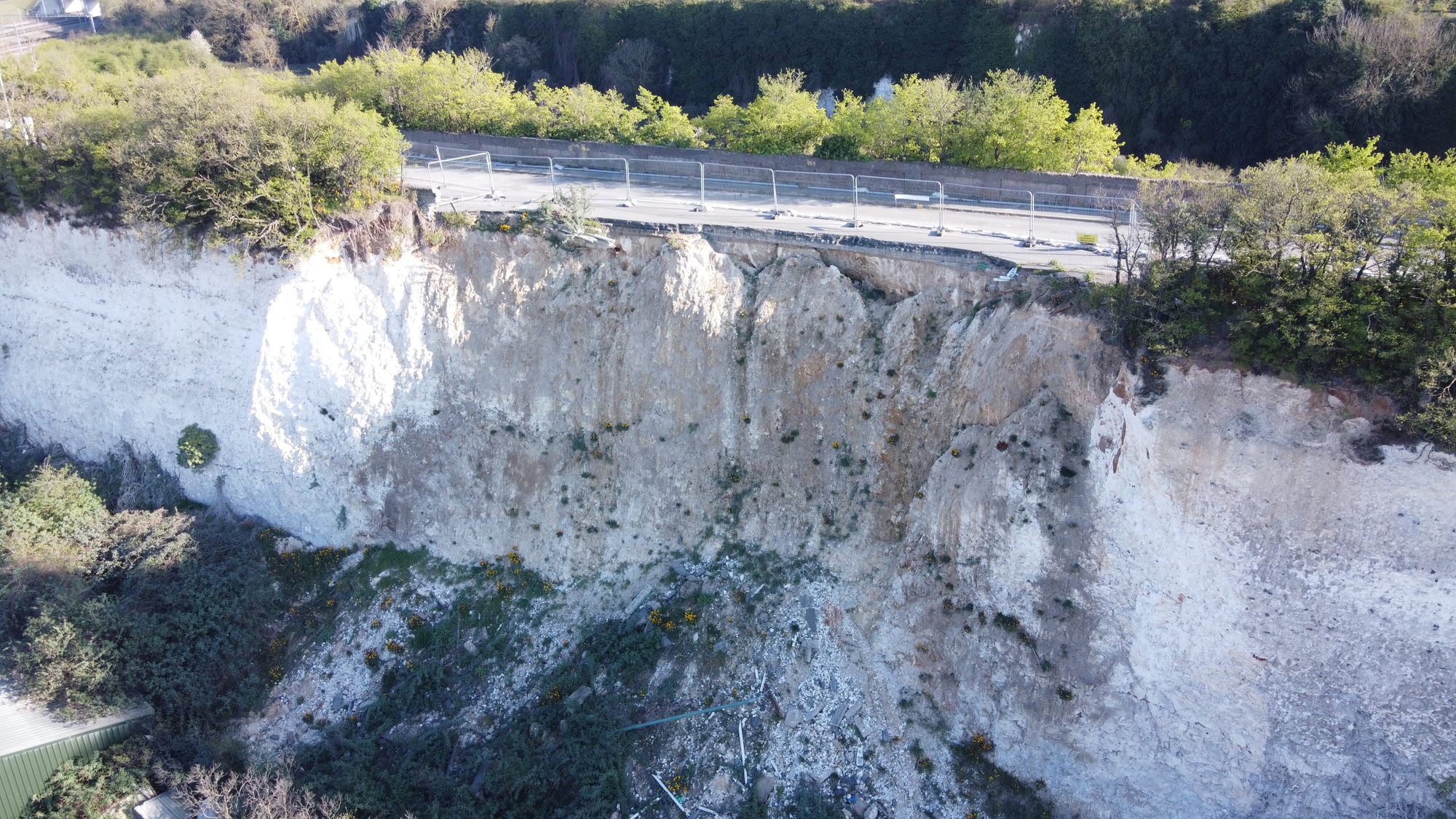
The government has now opened applications to a £1bn Structures Fund intended to support major repairs to bridges, flyovers and other highway infrastructure. Councils are being asked to submit bids by early August, with funding decisions expected in the autumn.
KCC has welcomed the launch of the fund and says it has been preparing for this point for some time. The council says it has continued design and technical work while waiting for applications to open, and will now review the scheme’s eligibility and the scope for putting forward what it calls a “strong and well-prepared” bid.
Peter Osborne, KCC’s cabinet member for highways and transport, said: “We know just how important Galley Hill Road is to local residents and businesses in Swanscombe, Ebbsfleet and Northfleet and how long people have been waiting for real progress.”
“Since 2024 we’ve been clear that government funding would be essential, and while we waited for the Government to open the Structures Fund, we’ve made sure we are ready by progressing designs and technical work.”
“Now that the fund is open, we will move quickly to explore the possibility of submitting a strong bid so Galley Hill Road can be treated as a priority scheme.”
The language is a little more careful than some of the public comments made elsewhere this week, but the basic position has not changed. KCC has been saying for some time that national funding is essential, and nothing in its latest statement suggests it has found another realistic way to pay for a scheme expected to cost around £50m.
That figure helps explain why this has dragged on for so long. A project on that scale is far beyond anything the council could easily absorb from its normal highways budget, which leaves central government support as the only plausible route to a permanent fix.
Dartford MP Jim Dickson has welcomed the fund's opening and is urging KCC to submit what he calls the “strongest possible bid.” He said residents had been “waiting for more than three years for money to be on the table” and that it was now up to the county council to make sure the opportunity was not wasted.
A timeline is now clearer than at any point since the collapse. Draft bids can be submitted for feedback in June, with final applications due in August. Ministers are then expected to decide which schemes get funding by the end of November. If Galley Hill Road is successful, the expectation is that the work would be completed by March 2030.
Even that would mean the road remained out of action for almost seven years.
The immediate question is no longer whether Galley Hill needs fixing. Everyone accepts that it does. The absurdity is that something this obviously important still has to fight its way through a competitive funding process, with councils effectively invited to make the best case for why their infrastructure failure matters more than someone else’s.
That is the position Swanscombe now finds itself in. A road collapse that has blighted daily life for years, disrupted buses, businesses and school runs, and sits in the middle of a major growth area is not simply being fixed. It is being bid for.
There has finally been progress of a sort. After years of surveys, delays and uncertainty over how any of this would be paid for, there is now at least a live route to funding. But it is still only a route. It is not yet a solution.
If KCC puts together a successful bid, the process of actually fixing the Swanscombe Hole can properly begin. If it does not, there is still very little sign of what happens next. That, more than anything, tells you how precarious the situation still is.
Footnotes
Follow us on social media! We’re on Facebook, BlueSky, and Instagram for now.