How many times can Kent’s water system fail the same test?
South East Water says it planned for the heat. Thousands of Kent households still lost supply.

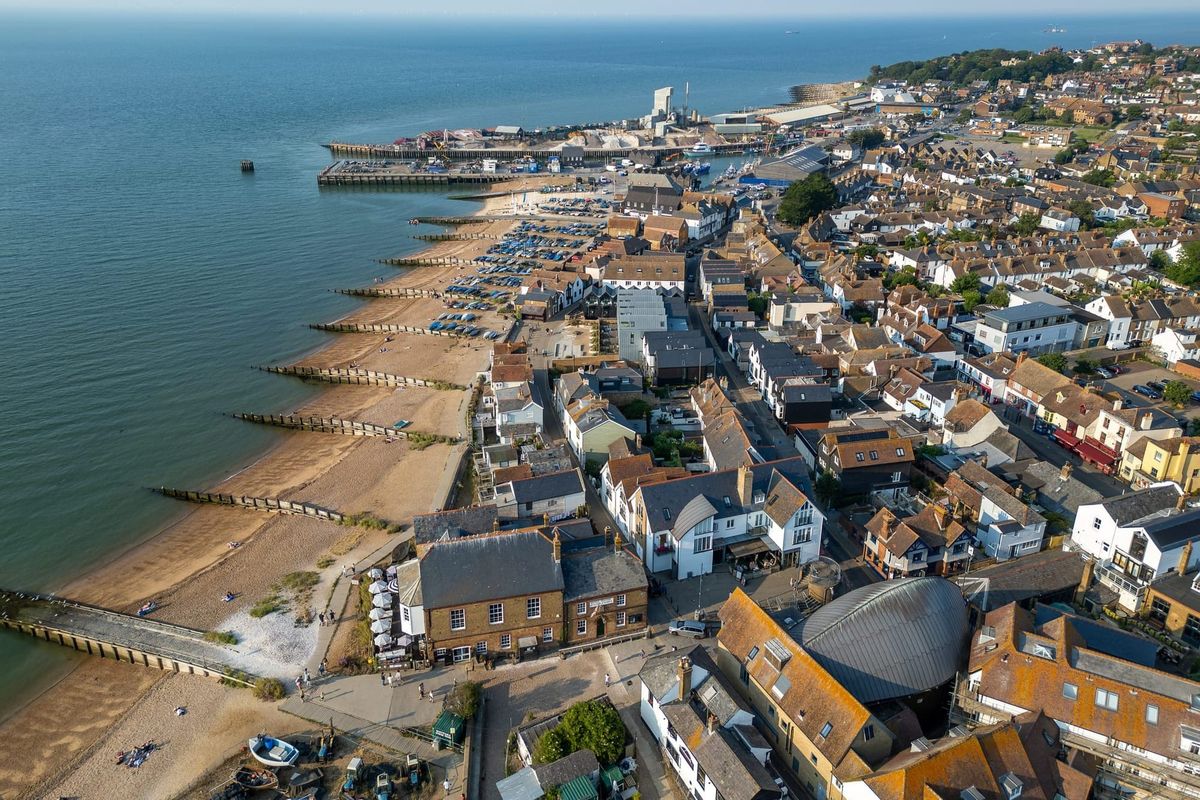
Kent has faced another week of water disruption, with thousands of properties hit by no water, low pressure or intermittent supplies during the hottest May weather on record. We look at why South East Water says the system struggled despite preparing for high demand, how the failures affected schools, businesses and health services, and the political row now opening over whether Kent’s water infrastructure is fit for purpose.
How many times can Kent’s water system fail the same test?
Kent’s latest water crisis was not supposed to happen like this.
The heat was forecast, South East Water says it planned for very high demand, treatment works increased output, extra water was put into the network, and customers were urged to use less.
And still, by Friday, 17,665 properties across Kent were experiencing no water, low pressure, or intermittent supplies.
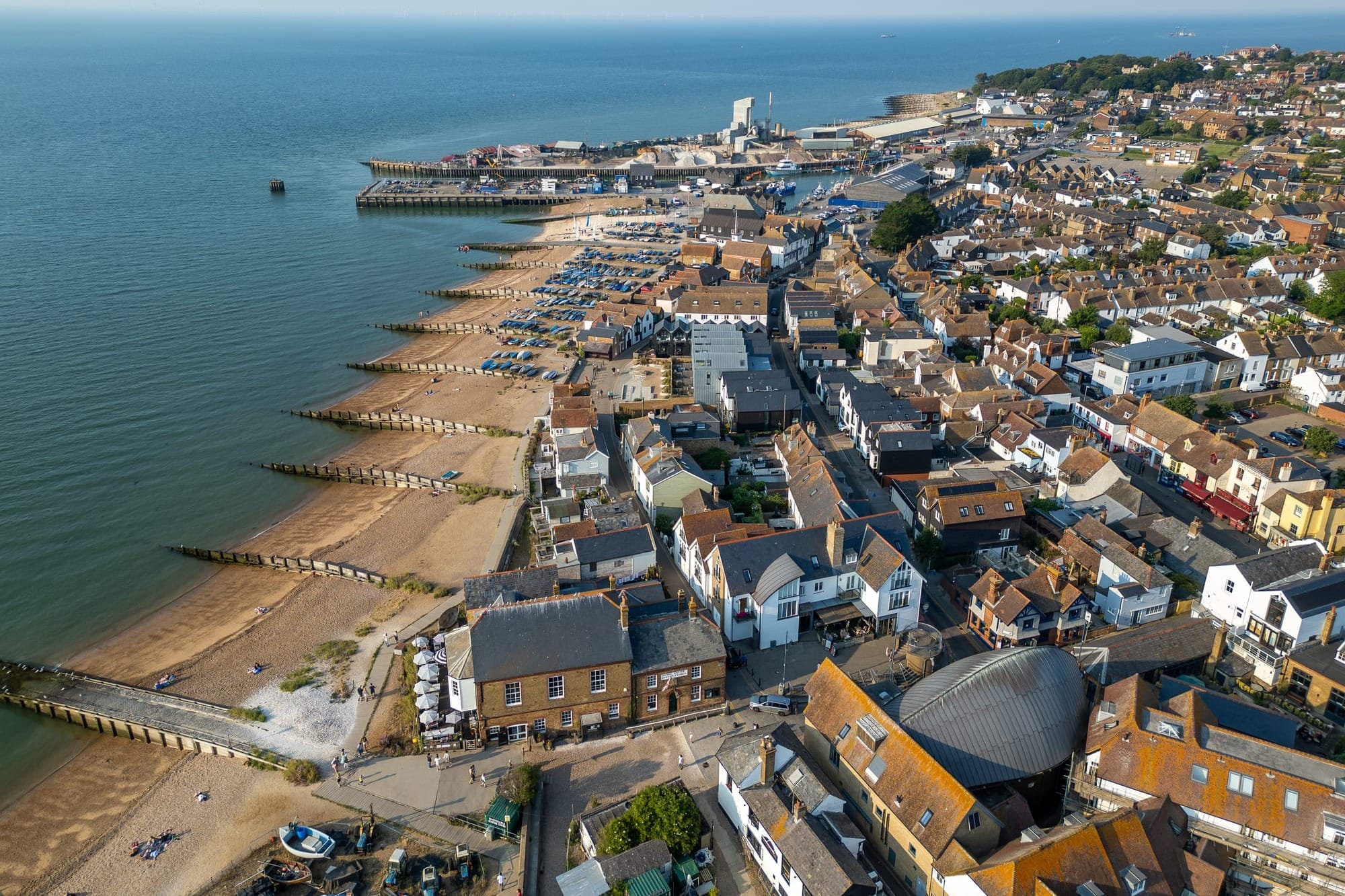
The disruption has run through the county all week, from Whitstable and Herne Bay to Headcorn, Coxheath, Charing, Cranbrook and beyond. Bottled water stations have opened, businesses have closed, and schools and health services have had to plan around unreliable supply. At County Hall, the latest failure has opened a political row over whether Kent’s water system is being properly scrutinised at all.
South East Water has blamed exceptionally high demand during the hottest May weather on record. In its latest update, the company said it had increased output at water treatment works and put extra water into the network, but was still experiencing low storage across its supply area.
For customers still in supply, the instruction was blunt.
“Act now,” South East Water said, asking people to stop using jet washes, hosepipes, sprinklers and paddling pools, and to limit water use to drinking, washing and cooking.
That is where the company’s explanation runs into trouble.
South East Water is not saying Kent has run out of raw water. Its head of water resources, Nick Price, said raw water resources were in a healthy position as the company moved from spring into summer, though April was particularly dry, with Kent catchments receiving only 8% of the month’s expected rainfall.
“This weekend saw the first heatwave of the year and the hottest May day on record,” he said. “As expected, demand for water has surged.”
The issue, then, appears to be whether the network can treat, store and move enough water when demand rises sharply. On South East Water’s own account, the hot weather was expected, the surge in demand was expected, and the company had prepared for it. Despite this, the system still struggled.
On Thursday, South East Water said it pumped 619 million litres of water to customers across its region, higher than average for this time of year. On some days during the period of high demand, it said it had treated and pumped around 100 million litres more than the daily average for May.
Steve Benton, South East Water’s incident manager, said the company was starting to see supplies return to some customers across Kent, but that some were still experiencing issues because of “incredibly high demand during this heatwave.”
“We are doing everything we can to get treated water into our storage reservoirs, including using our tankers to support the network and ensuring all available treatment works are running at full capacity. However, some customers will continue to have intermittent water supply until these levels have been restored. This means water may be on and off throughout the day.”
By Friday, the picture was less a single outage than a rolling breakdown.
In Whitstable, around 3,500 customers had started to see supplies return, but South East Water warned that water could remain intermittent throughout the day and across the weekend while storage tanks recovered. Other customers in the area were expected to see supplies start returning later on Friday, also with intermittent supply likely to continue.
In Coxheath and Loose, around 1,100 customers were expected to experience intermittent supply throughout Friday. Fewer than 200 customers in Cranbrook were experiencing intermittent supply. In Charing, Challock and Molash, supply to around 800 properties returned overnight, but South East Water warned it was likely to become intermittent again later in the day.
There were also issues in Kemsing, St Mary Platt, Platt’s Heath, Headcorn, Ulcombe, Hastingleigh, Brabourne and surrounding areas. In St Mary Platt, a power outage at one South East Water site meant the company was unable to pump water. In Platt’s Heath and Headcorn, it said it was still looking into the cause.
Herne Bay had its own small illustration of the communication problem. The town was listed on South East Water’s live interruptions map, but clicking the alert returned a message saying, “Sorry, we can’t find any information on that interruption.”
The Kent Current is now on WhatsApp.
We’ve launched a WhatsApp channel for Kent Current. We won’t flood it with posts, but we will use it to share new stories and occasional major updates from across the county.
If you’d like our journalism somewhere a little closer to your lock screen, you can follow along there.
The impact has moved well beyond domestic inconvenience.
The heatwave landed during half term, when coastal towns such as Whitstable and Herne Bay should have been busy with visitors. Instead, businesses were left trying to determine whether they could open without reliable access to running water. Food businesses, hairdressers, gyms and hospitality venues have all been affected. In Wye, the Wooden Spoon preserving company stopped production because its operations rely on water for steam, cleaning, and pasteurisation.
The Whitstable School warned parents it may need to close to most pupils on Monday if South East Water cannot guarantee full mains water supply, with only pupils sitting examinations attending in person. If that happens, the school said it would arrange portable toilets for exam pupils and provide bottled drinking water, while other students would be expected to use online learning.
South East Water said it had delivered bottled water to vulnerable customers on its Priority Services Register, as well as to critical care settings including care homes, GP surgeries, pharmacies and dentists. It also said it was supporting Queen Victoria Memorial Hospital in Herne Bay and the urgent care unit with a tanker, as well as supporting those with livestock.
This is the point at which a water outage stops being just a water outage. It becomes a test of whether the county can keep basic services functioning when the weather turns difficult.
Kent County Council has now moved to place itself in the middle of that argument.
On Thursday, KCC leader Linden Kemkaran announced plans for a Kent Water Resilience Partnership, bringing together water companies, local authorities, regulators and other organisations involved in water management.
The group would look at water supply, infrastructure, quality, storage, long-term planning and performance. Kemkaran said she would chair it herself.
“People across Kent are fed up with being left without water or having their supply disrupted, sometimes for days at a time, and not getting clear answers about what’s gone wrong or when it will be fixed,” she said. “That’s simply not good enough.”
She said KCC had no direct powers over water companies or regulators, but did have a responsibility to “stand up for Kent.”
“At the moment, responsibility is too fragmented, and there is no single place where the whole system is being looked at,” she said. “This partnership intends to change that. It will shine a light on the issues affecting Kent and make sure there is clear, open scrutiny of how those responsible are responding.”
That is a notable intervention from KCC’s Reform administration. It is also not quite the start of the political argument.
A week earlier, the Green group had attempted to bring a wider water resilience motion to full council. It was ruled out of order and deferred until at least July.
The Green motion called for a broader KCC action plan on water infrastructure and resilience. It covered water supply, wastewater management, pollution incidents, public health risks, citizen science testing, future planning and the role of water infrastructure in the Kent and Medway Spatial Development Strategy.
It argued that Kent had seen a growing number of incidents exposing the vulnerability of the county’s water infrastructure, with outages, contamination events and wastewater spills disrupting daily life and raising concerns about public health.
The motion also recognised KCC does not run the water industry, but argued the council could still take 'sensible and pragmatic measures' to protect residents from vulnerable local water infrastructure.
After the motion was deferred, the Greens accused Reform of prioritising prayers and the national anthem over water resilience. At the same full council meeting, councillors voted to introduce the Lord’s Prayer and singing the national anthem at council meetings.
As the latest outages worsened, three Green councillors used the rarely-used Councillor Call for Action process to ask KCC to declare a Kent Water Supply Emergency.
Rob Yates, Stuart Heaver and Stuart Jeffery also called for South East Water and Southern Water to be invited to the 10 June Flood and Water Management Committee, for KCC’s Scrutiny Committee to investigate whether Kent’s water supply is fit for purpose, and for a plan to be created if it is not.
Heaver, who represents Whitstable West, said, “It is unbelievable that once again my residents are without water. This madness just gets worse, and KCC have their head firmly buried in the arid sand. We need to find out if our water supply is fit for purpose and resolve this.”
Yates, who represents Cliftonville, added, “We are not even in summer, and we have 20 water tankers pumping water into our system. What are we going to do in mid-summer? Kent County Council leadership are too busy focusing on things that don’t matter. This is a real emergency, and we need to find a solution.”
Jeffery, who is also the leader of Maidstone Borough Council, said, “We are sick of the failures by these water companies. Once again, we have residents relying on bottle water drops. We need action now.”
The argument is not just about who gets credit for demanding scrutiny.
Kemkaran’s partnership would bring the relevant organisations together in one place and hold them publicly accountable for planning and performance. The Green approach goes further, asking whether the county’s supply is fit for purpose and calling for an emergency to be declared.
Both approaches start from the same uncomfortable fact that KCC does not control South East Water. It cannot order more storage to be built, force infrastructure schemes through faster, or guarantee that every village will stay in supply during the next hot spell.
What it can do is make it harder for responsibility to disappear into the gaps between companies, regulators, ministers, planners and local authorities.
Keeping track of Kent properly takes time, travel and a fair amount of patience. Kent Current only exists because some readers choose to support that work. An annual subscription costs £1.15 a week and helps keep it going.
The argument is also moving beyond County Hall.
Roger Gale, MP for Herne Bay and Sandwich, said he was aware of ongoing issues across his constituency, including low pressure and loss of supply.
“Quite simply, this is not good enough,” he said. “This is the classic result of building far too many houses on farmland without the supporting infrastructure, which I have been warning about for a number of years. Reliable access to water is a basic necessity, and I will be writing directly to the Chief Executives of both Southern Water and South East Water and Ministers to demand answers and urgent action.”
Canterbury MP Rosie Duffield said she had met South East Water alongside Gale to discuss the disruption.
“Thousands of people across our area have gone days without water. In this heat, it’s utterly unbearable,” she said. “Our community deserves basic reliability. I’ll keep pushing until we get it.”
Duffield said local businesses had lost potentially thousands of pounds and argued the issue could not be separated from planned housing growth around Canterbury and Whitstable.
“South East Water have been very clear: they cannot service these developments and have already lodged their objections,” she said. “Canterbury City Council have a duty to question why the numbers and location of housing is so deeply unpopular with utility companies as well as residents.”
She added that ministers needed to be told the area could not continue building simply to meet “unrealistic targets set by those in Westminster who do not know our area at all.”
These arguments are familiar in Kent. More homes, stretched infrastructure, limited local control, national targets, private utilities, and residents stuck somewhere in the middle.
The difference is that this week has made the question less abstract. It is not just about whether future development will be properly supported. It is about whether the existing system can reliably support the county as it is now.
South East Water was already in trouble before this week. Earlier this month, chief executive David Hinton announced he would step down. That followed the departure of chair Chris Train after MPs issued a scathing report into repeated supply failures and said they had no confidence in the company’s leadership.
Ofwat has also proposed fining South East Water £22m over historic supply failures affecting customers across Kent and Sussex.
For residents who have spent the week queuing at bottled water stations, those governance issues may feel remote. The immediate question is more basic. When will the water come back, and will it stay on?
South East Water says supplies are returning in some places. It also warns they may remain intermittent through the weekend.
So Kent is not yet at the lessons learned stage. The crisis is still live.
The county has had another week of heat, tankers, bottled water and familiar explanations. The weather was exceptional, and the demand was high.
The unresolved question is why that keeps being enough to knock parts of Kent’s water system over.
Footnotes
Unfortunately, we don't have one of Francesca's very snazzy graphics for this edition due to her suffering a workplace injury. Fingers crossed she'll be back in action for next week.
Follow us elsewhere: Facebook, Instagram, BlueSky, and now WhatsApp for new story alerts.