The data centre that skipped Dartford
How a contested area of land became part of Britain’s AI infrastructure argument

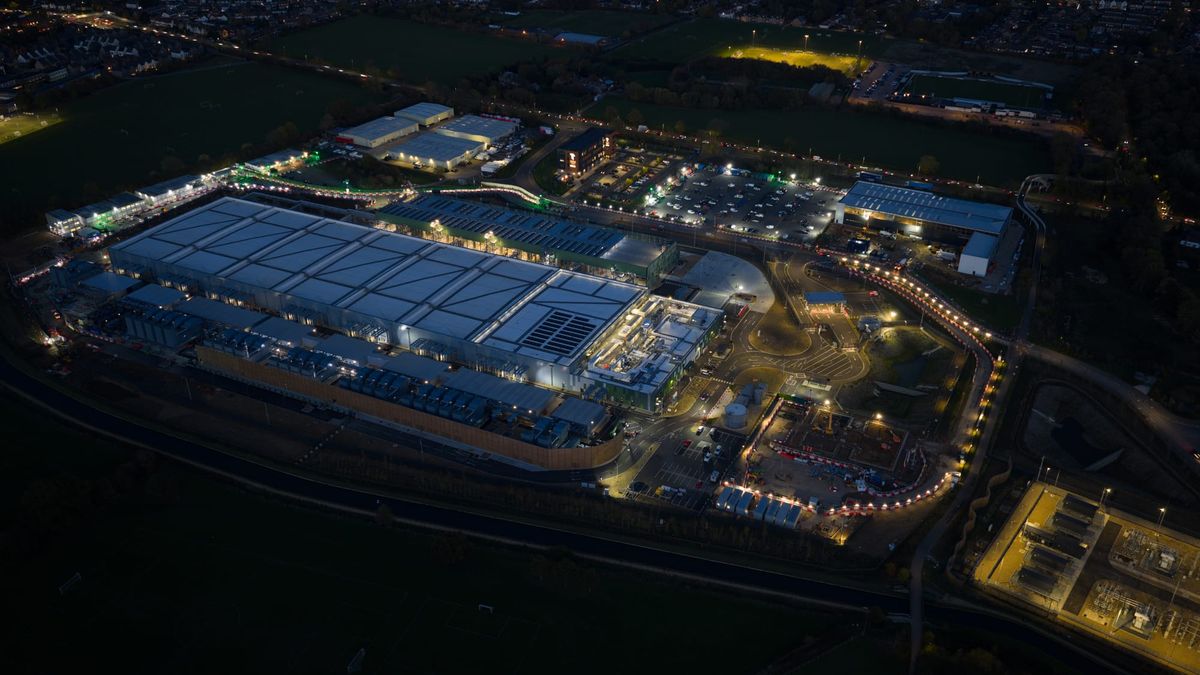
Clearstone’s proposed AI data centre campus near Ebbsfleet has been accepted into the national infrastructure planning system, months after the same developer withdrew a major battery storage scheme in the same broad stretch of north Kent. This edition looks at what the new proposal says about power, land, local planning, and the infrastructure Britain needs to meet its digital ambitions.
The data centre that skipped Dartford
Last October, we wrote about what seemed like a very silly field.
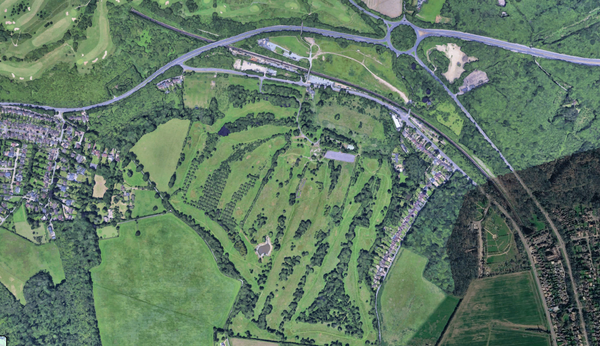
It sat beside the A2, High Speed 1, overhead power lines, a recycling centre, a garden centre, polytunnels, storage containers and one of the most important electricity substations in north Kent. It was not a landscape anyone was likely to confuse with a National Trust calendar. No one was planning long contemplative walks through it. No one was painting watercolours of the view. It was, to use a technical planning term, a bit of land next to loads of stuff.
Dartford Borough Council’s officers saw it differently. They recommended rejecting one of the largest proposed battery storage schemes in Britain because they believed it would harm the area's rural character. The Dartford Energy Hub would have stored up to 300MW of electricity, helping balance the grid as more power comes from wind and solar. It had no permanent staff, no emissions, no obvious technical objection from the usual national bodies, and the sort of location that would seem to answer the question everyone asks whenever energy infrastructure is proposed: If not here, then where?
The answer, it turned out, was not here. Or at least, not then. The battery scheme was withdrawn before councillors ever voted on it. The field remained safe from the visual horror of helping keep the lights on.
 Ed Jennings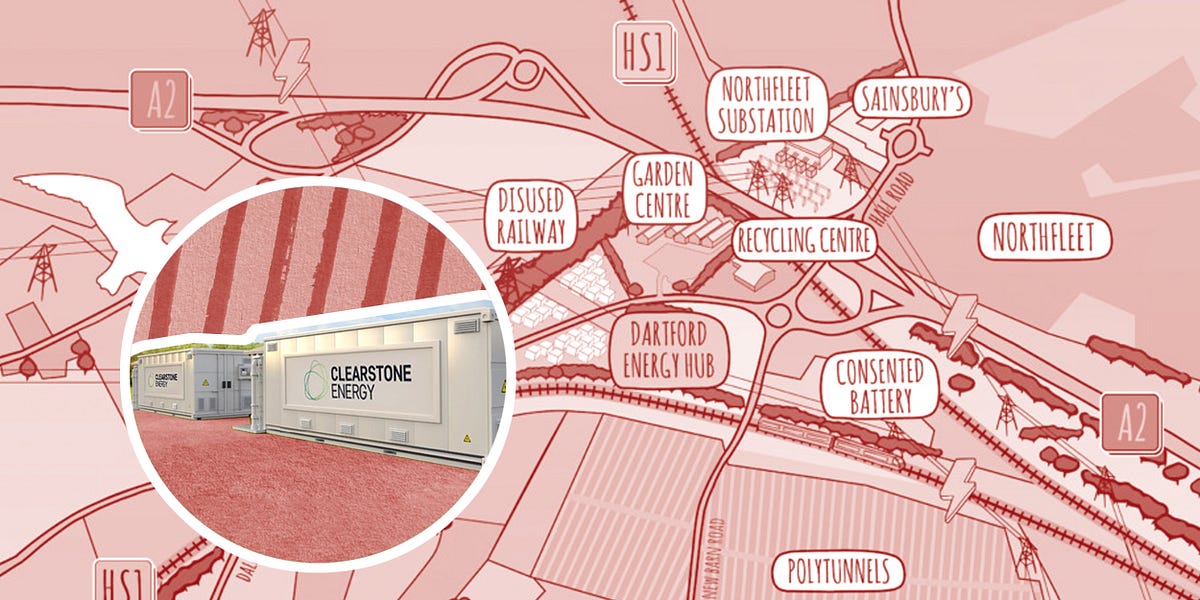
Nine months later, the same developer is back in the same broad stretch of north Kent with another 300MW project. Only this one does not store electricity. It consumes it.
Clearstone now wants to build an AI data centre campus on land near New Barn Road, south of Ebbsfleet. The project would cover a 145-acre site, with a 90-acre development area, up to four data centre buildings, and up to 180,000 square metres of floorspace. It would connect to the electricity transmission network through Northfleet East substation and is being pitched as critical digital infrastructure for Britain’s AI future.
There is a neat irony here. Dartford could not stomach a large battery site beside the A2, HS1 and a substation. Now the same company is proposing a large AI data centre campus in the same infrastructure corridor. One project was presented as a means of storing electricity. The other exists because Britain expects to need vast amounts of power to run artificial intelligence, cloud computing, digital finance, online services and all the other invisible machinery we have somehow decided to call “the cloud,” as though it floats gently above us rather than sitting in sheds full of servers.
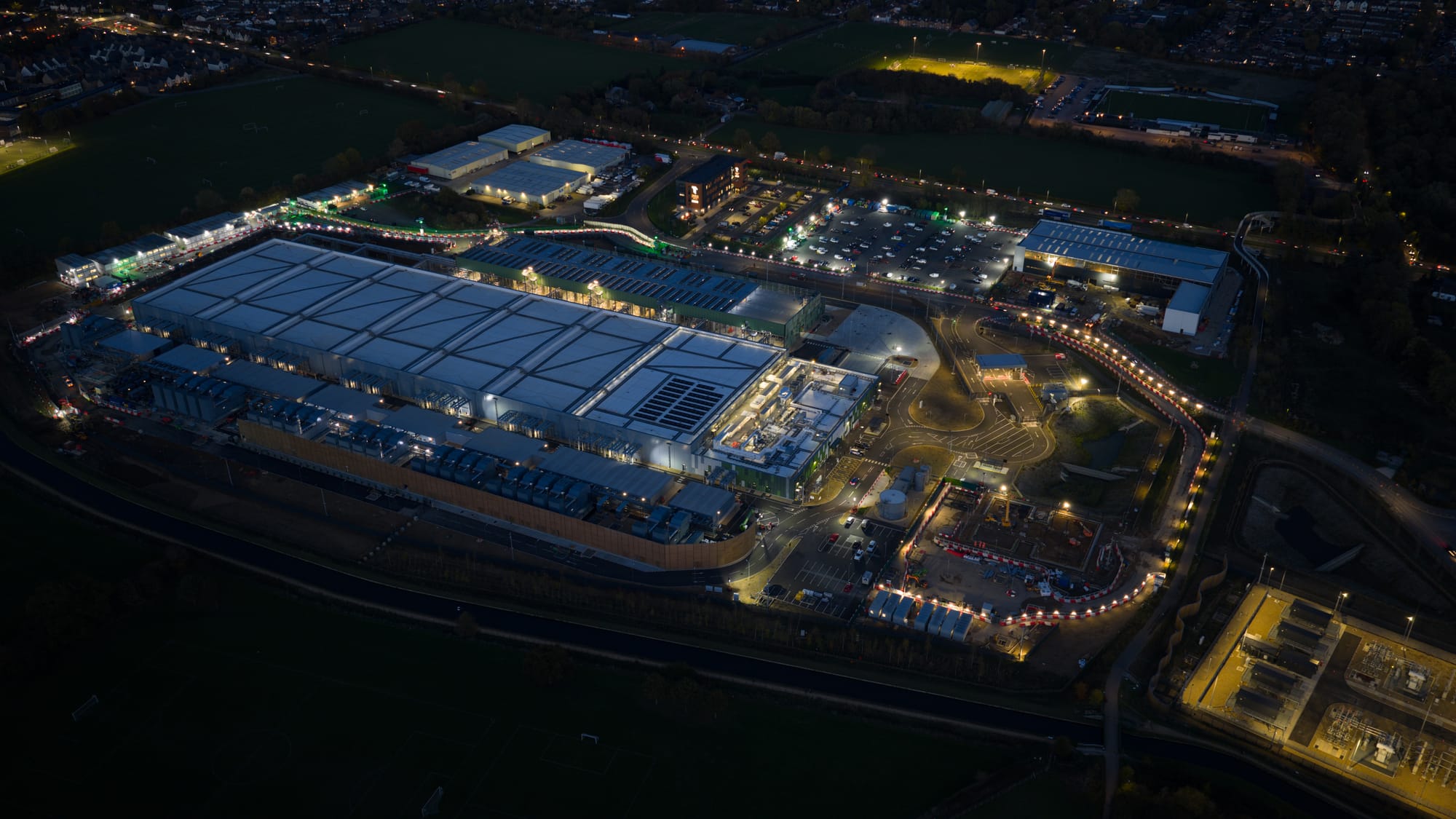
But the really interesting part is not simply that one project disappeared and another has arrived. It is that last year’s battery plan now looks less like an isolated scheme than it did at the time.
On paper, the Dartford Energy Hub was its own proposal. Nothing in the planning documents said it was enabling a future AI data centre, or that it formed part of a wider digital campus. The public debate, such as it was, treated it as a battery storage scheme and nothing more. But in hindsight, the geography is difficult to ignore. The same company had a 300MW battery scheme beside Northfleet East substation. It has now brought forward a 300MW data centre campus across the same corridor. Both depend on the same rare combination of land, grid access and transport links. One would store electricity, while the other would use an enormous amount of it.
That does not prove the battery is coming back under another name. But it does change how last year’s proposal now reads. It may not have been an isolated battery project at all. It may have been the first visible part of a broader effort to secure the power infrastructure needed for a much larger energy and digital campus. If so, Dartford was not just arguing about whether batteries could sit beside the A2. It may have been arguing, unknowingly, about the first piece of the AI development now being moved into the national planning system.
That would also explain why the old debate felt so oddly mismatched. Officers were assessing a battery scheme against the rural character of a field. Clearstone may already have been looking at the same land as part of a strategic site to be wired for what came next. One side was asking whether batteries fitted into the landscape. The other may have been asking how the landscape could be made to work for a much larger infrastructure future.
The route has certainly changed. Clearstone has not just submitted another ordinary application to Dartford Borough Council and hoped for a warmer reception. Instead, it asked the government to treat the Ebbsfleet AI Data Centre Campus as a Nationally Significant Infrastructure Project. On Wednesday, the Secretary of State agreed.
That does not mean the data centre has been approved. What has been approved is the planning route. Clearstone will now have to seek a Development Consent Order through the national infrastructure system. There will be consultation, environmental work, examination by the Planning Inspectorate, and a final decision by ministers. Dartford Borough Council, Kent County Council, parish councils and residents can all take part. They can support, object, argue and scrutinise.
They just no longer decide.
The Kent Current is now on WhatsApp.
We’ve launched a WhatsApp channel for the Kent Current. We won’t flood it with posts, but we will use it to share new stories and occasional major updates from across the county.
If you’d like our journalism somewhere a little closer to your lock screen, you can follow along there.
That is the real shift. Last year, Dartford’s local planning system looked at a 300MW battery beside a motorway, a high-speed railway and a substation, and managed to find an endangered rural character. This year, Whitehall has looked at a 300MW data centre in the same broad landscape and decided it is the sort of thing that belongs in the national infrastructure system.
The landscape has not changed very much. The pylons were already there. The A2 was already there. HS1 was already there. Northfleet East substation was already there, humming away like the actual reason everyone keeps looking at this area. What has changed is the way the land is being read. Dartford’s officers treated infrastructure as an intrusion into the countryside. Clearstone and the government are treating the existing infrastructure as the point.
The company’s supporting statement makes this clear. The site has been chosen because it has land, power, high-speed connectivity, road access and proximity to London. It sits about 500m from the Northfleet substation, close enough to enable a direct connection to the transmission network. It is 300m from the A2, 5km from the M25, beside HS1, and within reach of the London Internet Exchange in Docklands. High-speed fibre is already in the ground. The project is not being proposed there because someone at Clearstone has developed a sudden passion for the Dartford-Gravesend border. It is being proposed there because the wires, roads and railway have already done the work.
That is what makes last year’s battery row look even stranger in hindsight. The old argument was not really about whether battery storage was needed. Nationally, the need is obvious. Britain is building more renewable energy capacity, but wind and solar do not produce power in line with the planning committee's emotional needs. Some days there is too much generation. Some days there is not enough. Batteries help smooth the difference. They are not glamorous, but neither are substations, sewers, or motorway service areas. Modern life depends on boring things in awkward places.
The battery site was not a perfect wilderness being asked to make a sacrifice for the nation. It was a chunk of grey belt beside major infrastructure. Even Dartford’s own officers accepted it no longer performed meaningful Green Belt duties in the usual way. The objection was essentially visual. The land might be compromised, severed and surrounded, but putting batteries on it would make the compromise too obvious.
The data centre proposal makes that position harder to sustain. Clearstone’s new documents describe this part of Kent almost exactly as we did last year, though with more lawyers and fewer jokes. It is not treated as a fragile rural edge. It is treated as an infrastructure corridor with sufficient power, fibre, and transport access to be nationally useful.
That does not mean the data centre site is identical to the old battery site. It is larger and more ambitious, and extends further south into land that looks and feels much more like conventional countryside. The battery proposal sat in the scruffier northern edge of the corridor, where the case for pretending nothing had changed was particularly weak. The data centre campus reaches beyond that, which means the landscape questions around it are more serious than they were last year.
But that only sharpens the point. Clearstone is not simply trying to build on a compromised field. It argues that the presence of power, fibre, road, and rail infrastructure is enough to make a much wider landscape nationally useful. That is a bigger claim, and one that deserves more scrutiny.
There is another detail that makes this story more than a simple sequel. The red-line boundary for the new data centre project appears to include land beyond the main data centre development area, extending into the north-western part of the site where the withdrawn battery proposal was previously located. The data centre buildings are expected further south and east, on land currently dominated by polytunnels. The wider order limits include possible cable routes to Northfleet East substation and associated infrastructure.
That does not prove the battery scheme has quietly returned. But the map makes the question unavoidable. If the eventual Development Consent Order includes energy infrastructure on or near the old battery site, last year’s withdrawn application may end up looking like an early chapter rather than a dead end. It may have been the first attempt to establish the power side of a larger campus before the digital side was ready to be made public.
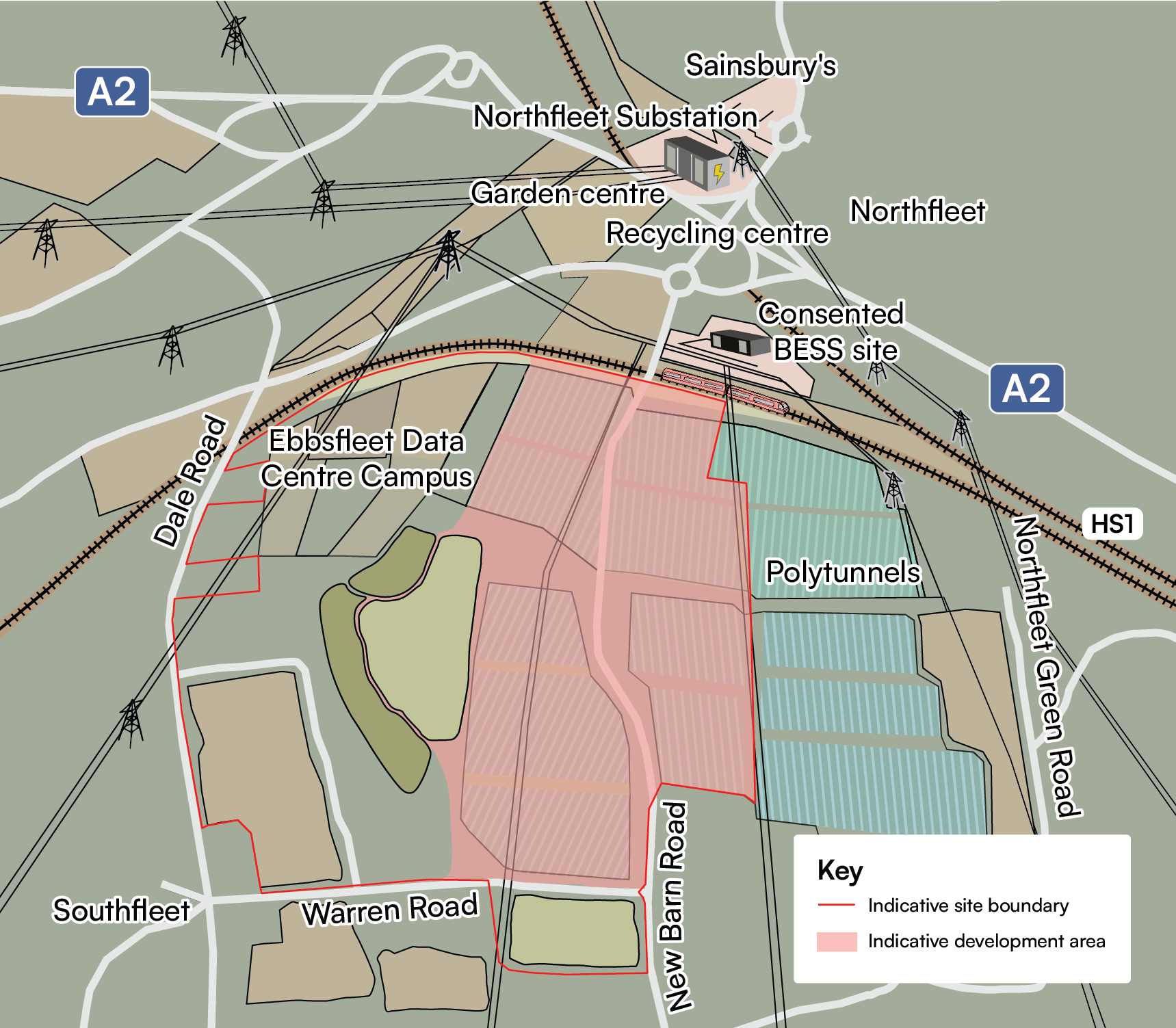
For now, the formal proposal is for an AI data centre campus and associated utility and infrastructure works. Clearstone has not publicly said the battery scheme is returning as part of it, but the ghost of that project sits over this one, not least because the planning route has changed so dramatically.
It would be easy to treat this as a story about local democracy being bypassed by central government. There is some truth in that. The Nationally Significant Infrastructure Project regime exists because some projects have impacts and purposes that extend beyond the boundary of a district council. A railway line does not become local because it passes through a parish. A power project does not become purely local because its substation sits in one borough. A data centre designed to support national AI capacity, digital resilience and economic growth is not really serving only Dartford, even if Dartford gets the buildings.
That is the uncomfortable bargain. Local places host national infrastructure. National infrastructure creates local consequences. The people who live nearest it are often asked to accept the noise, traffic, visual impact and disruption, while the benefits are described in national terms like growth, resilience, productivity, sovereignty, and competitiveness. These are not imaginary benefits, but they can feel rather abstract when what arrives nearby is a secure compound, construction traffic and the knowledge that your local council is now mostly a consultee.
Being pro-building does not require pretending that every development is automatically wonderful. Large data centres raise real questions. They use huge amounts of electricity. They can require water for cooling, though Clearstone says this project will focus on sustainable water use through closed-loop systems. They generate construction traffic. They change landscapes. They promise jobs, though the long-term operational workforce of a data centre is usually much smaller than the scale of the buildings might suggest. Clearstone’s modelling suggests hundreds of construction roles and around 420 net additional jobs once operational, but the details of who gets those jobs, how local they are, and how meaningful the promised skills pathways will be remain questions for the future.
Still, the basic physical reality cannot be wished away. If Britain wants more AI, more digital services, more cloud computing, more data sovereignty, more online public services and more technological growth, it will need more buildings full of machines. Those buildings need power, fibre, and land. The country cannot keep announcing national ambitions while acting as if the required infrastructure just happens.
This is where Dartford becomes interesting. Not because Dartford is especially unusual in resisting development. Every council does that in its own way. Dartford is interesting because the landscape itself has become a test case for what Britain now considers useful land.
For decades, we have been trained to think of land through familiar categories. Green Belt, brownfield, countryside, urban edge, employment land, residential land, and so on. Those categories still matter, but they are increasingly being overlaid by another map entirely. Where is the grid capacity? Where is the fibre? Where are the substations? Where can abnormal loads get in? Where is close enough to London but still large enough to build at scale?
This does not mean every proposal should be nodded through. The data centre may yet change, shrink, expand, improve or fail. The consultation may reveal problems. The Planning Inspectorate may find issues that need addressing. Ministers may ultimately refuse consent. National significance is not a free pass, even if it can sometimes feel close to one.
But it does mean the old local argument about preserving rural character has started to look inadequate. The land Dartford tried to protect last year was not really being protected from development. It was being protected from acknowledging what it had already become.
The same stretch of north Kent is now being asked to carry a much larger argument. Britain says it wants clean energy, but often struggles to approve the batteries that make clean energy work. It says it wants AI growth, but that growth requires data centres with enormous power connections. It says it wants local democracy, but it also wants nationally important infrastructure delivered quickly enough to compete with other countries. None of these ambitions sit neatly together. They collide in places like this.
Perhaps that is why this feels bigger than one data centre. It is not just about whether Clearstone should be allowed to build near Ebbsfleet. It is about whether the planning system is beginning to admit something local politics often avoids: The infrastructure of the future will not arrive invisibly. It will need fields, cables, roads, substations, buildings and compromises. Some of those compromises will land in Kent.
Last October, the question at the end of the battery story was simple. Batteries cannot remain hypothetical. They must exist on land. If not here, then where?
Nine months later, Whitehall appears to have offered a version of the answer. Here, quite possibly. But not just batteries. Data centres too. Maybe both.
The imaginary countryside outside Dartford has not vanished. It was never really there. What has changed is that the national planning system now seems willing to say so.
Footnotes
Follow us elsewhere: Facebook, Instagram, BlueSky, and now WhatsApp for new story alerts.