The end of our first year
What we’ve reported on since launch and where we’re heading next.

Dear reader,
As we come to the end of the year, we’re breaking slightly from the usual Kent Current format to pause and take stock.
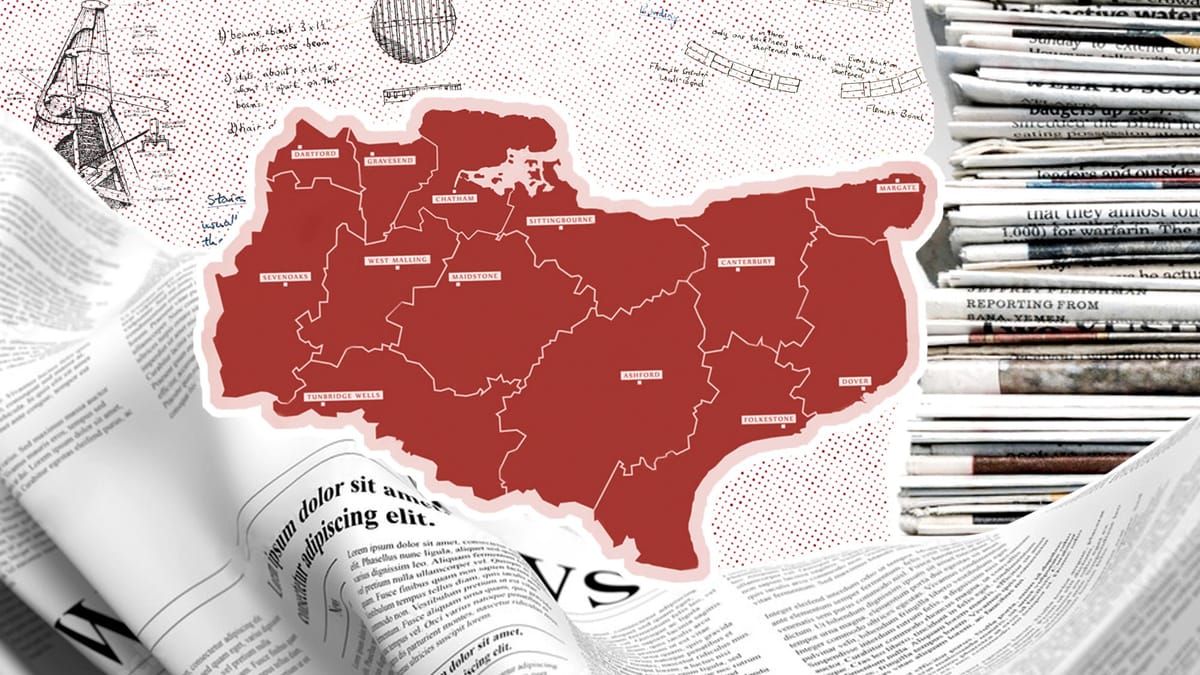
The Kent Current only launched in April, so this hasn’t been a full year in the traditional sense. But in the months since we started publishing, a great deal has happened in Kent, and much of it has required careful, sustained reporting rather than quick headlines.
This is a short look back at what we’ve been doing since launch, a bit of insight into how it works behind the scenes, and a look ahead to where we’re hoping to take it next.
Why the Kent Current exists
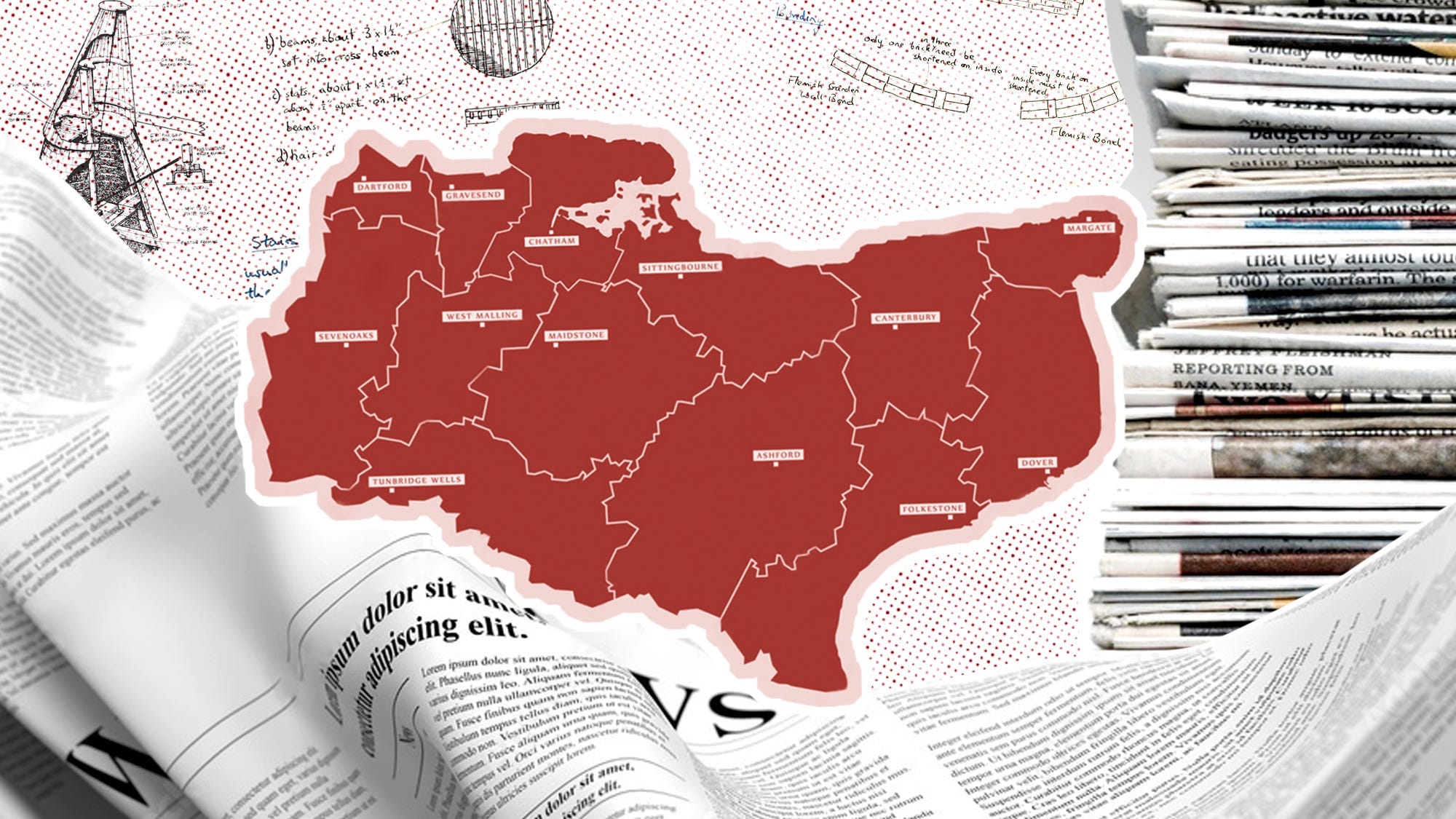
Kent Current was launched with a fairly simple aim: to take county-level local democracy seriously, explain complicated issues clearly, and show up consistently, especially when the story is uncomfortable, technical, or unfolding slowly.
Kent is a large county, and much of what happens at County Hall and district councils can feel distant, procedural, or deliberately hard to follow. We’ve tried to bridge that gap by spending time with the documents, sitting through meetings, asking follow-up questions, and explaining not just what has happened, but why it matters.
That approach has shaped everything we’ve published since April.
What we focused on this year
A large part of our reporting this year centred on what happened after Reform took control of Kent County Council, and what that shift meant once the headlines faded.
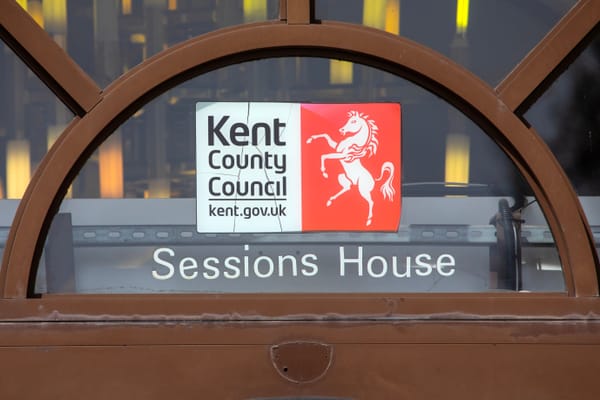
We published detailed analysis of their election win itself and then stayed with the story as events unfolded at County Hall. That meant following council meetings closely, reading internal papers, and tracking how decisions translated into practice. It also meant breaking the story about five Reform councillors posing for photographs with a man draped in a neo-Nazi flag, a story that other outlets chose not to pursue.
 Ed Jennings
We continued that scrutiny with our reporting on a leaked Reform group video, which prompted a week of intense attention on the council’s leadership, and with wider analysis of how Reform’s approach to politics is reshaping the culture at County Hall. Our piece on Musk-style 'DOGE' politics arriving in Kent was part of an attempt to situate local events within a broader national pattern, without sensationalism.
 Ed Jennings
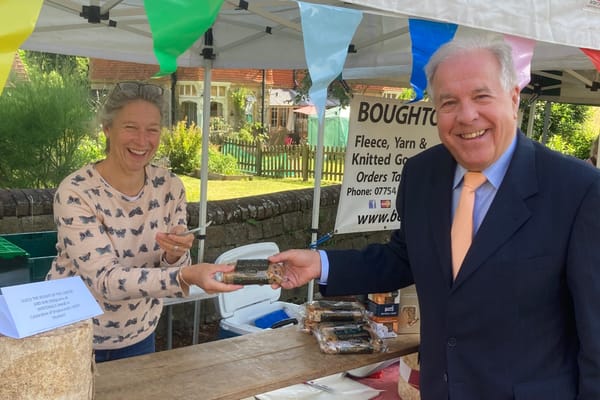
We also spent time reporting on the health of local democracy itself. Our coverage of disorder at Swale Borough Council, where a meeting was suspended after intimidation from the public gallery, was one of the most important pieces we published this year. We covered the Kent County Council election count live from County Hall, and spoke to the leaders of all the main political parties ahead of polling day to understand what they believed was at stake.
 Ed Jennings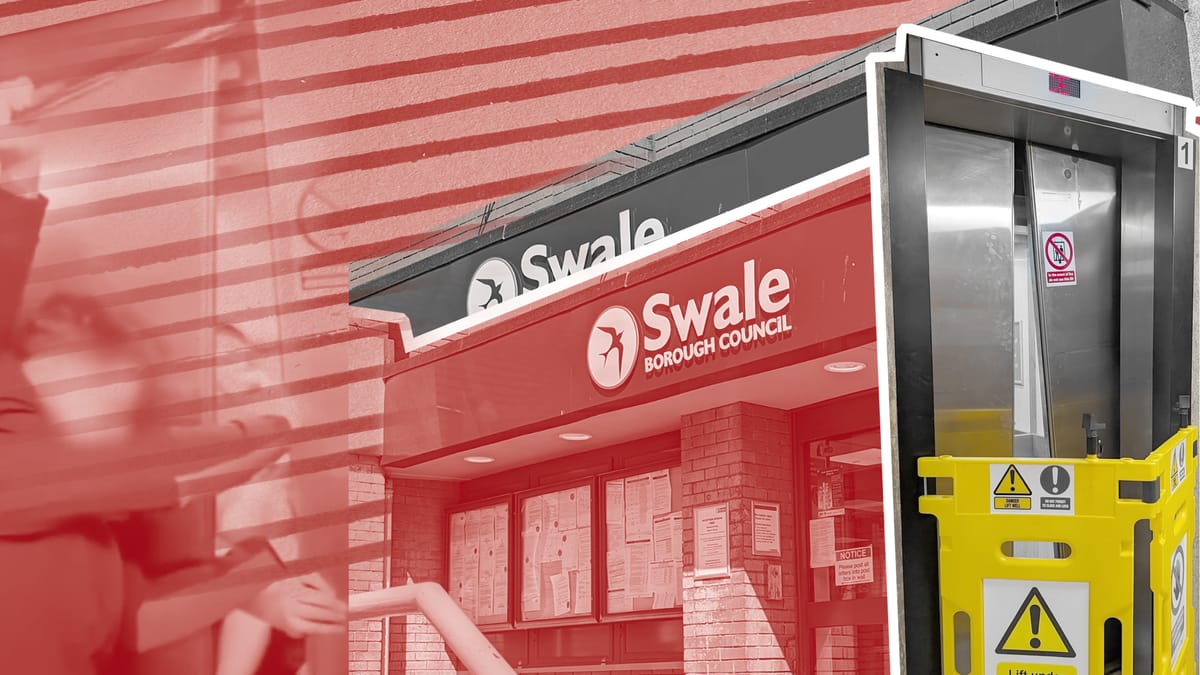
Some of our most impactful reporting focused on institutional failure. During the Tunbridge Wells water crisis, we followed what residents were experiencing day by day, rather than simply relaying official assurances. That reporting took time, repeated follow-ups, and a willingness to stick with a story once the initial shock had passed.
 Ed Jennings
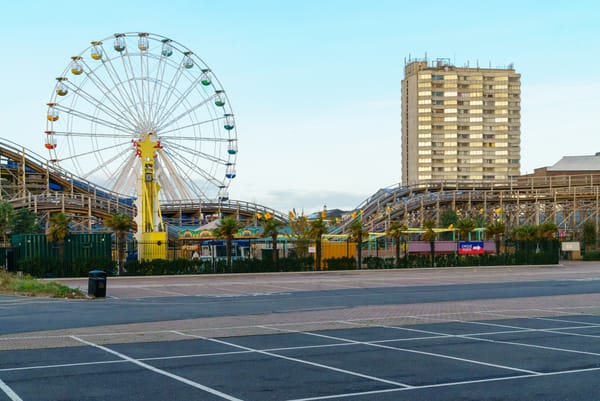
Elsewhere, we tried to take a longer view. We produced detailed explanations of local government reorganisation, a subject that is easy to make dull or impenetrable, and followed the long-running fight to bring international rail services back to Kent. These are the kinds of stories that rarely resolve neatly, but which shape the county’s future all the same.
 Ed Jennings
The Kent Current isn’t only about politics. We’ve also published long-form interviews and cultural reporting — from conversations with Ralph Steadman and Dorian Lynskey, to features on comedy, wrestling, and Kent’s creative life. Public life isn’t confined to council chambers, and we’ve tried to reflect that breadth.
What readers don’t always see
The Kent Current is, at its core, a two-person operation trying to stay on top of an entire county.
Much of the work happens long before anything is published. It involves chasing responses that don’t arrive, reading lengthy committee papers, sitting through meetings, whether in person or live-streamed, and repeatedly asking straightforward questions that take days or weeks to answer.
Getting clear information from public institutions is often difficult. Emails go unanswered. Statements are delayed. Basic facts can take persistent follow-up to confirm. A significant part of what we do is simply staying with a story long enough that it can’t be dropped.
Because of our size, we have to be selective. We can’t cover everything, so we focus on what we think matters most and try to do it properly. We’d like to expand our reporting over time, but that depends on having the resources to do so in a sustainable way.
A note on numbers
We normally try to be open about how the Kent Current is performing. This year, that’s more complicated.
Towards the end of the year, we moved from Substack to Ghost. Subscriber and readership data didn’t transfer cleanly between platforms, which means we don’t have a full, comparable set of statistics for the year as a whole.
What we can say is that the audience has grown steadily since launch, so now thousands of readers receive our newsletter, hundreds pay to support our work, engagement has been strong, and the Kent Current is in a healthy but still fragile position. We are somewhat viable, but not secure. Like most independent journalism projects, it relies heavily on reader support.
Where we’re heading next
The Kent Current is still finding its shape.
Next year, we want to lean further into detailed, investigative reporting and longer-form explanatory work, particularly those stories that unfold over months rather than days.
What won’t change are the values behind the site: independence, clarity, fairness, and a refusal to treat local politics as either theatre or trivia.
If you read the Kent Current regularly and value this kind of reporting, the most direct way to support it is by becoming a paid subscriber.
Paid subscriptions make it possible for us to spend more time reporting, take on more ambitious stories, and gradually expand what the Kent Current can do. Right now, we’re offering 25% off an annual subscription for your first year.
There’s no pressure, but if you’re in a position to support independent local journalism in Kent, it genuinely helps.
However you read Kent Current - free or paid - thank you for being here. Thank you for reading, sharing stories, sending tips, and replying to emails. We read far more messages than we can always respond to immediately, but we try to get back to everyone eventually.
If you have thoughts, feedback, or things you think we should look at next year, you can reply to this email or reach us via hello(AT)kentcurrent(DOT)news.
Here’s to the year ahead.
Ed
Editor, the Kent Current