The long wait for Paris
Ashford and Ebbsfleet continue to wait while Eurostar speeds through

On Friday morning, the old Eurostar departure lounge at Ashford International station came alive for the first time in years. Students from North Kent College took to the stage with an interpretative dance to a bewildering song about the return of rail services, Kent County Council leader Linden Kemkaran cut a ceremonial ribbon, and Rail Minister Lord Peter Hendy told the room “the government hears you.”
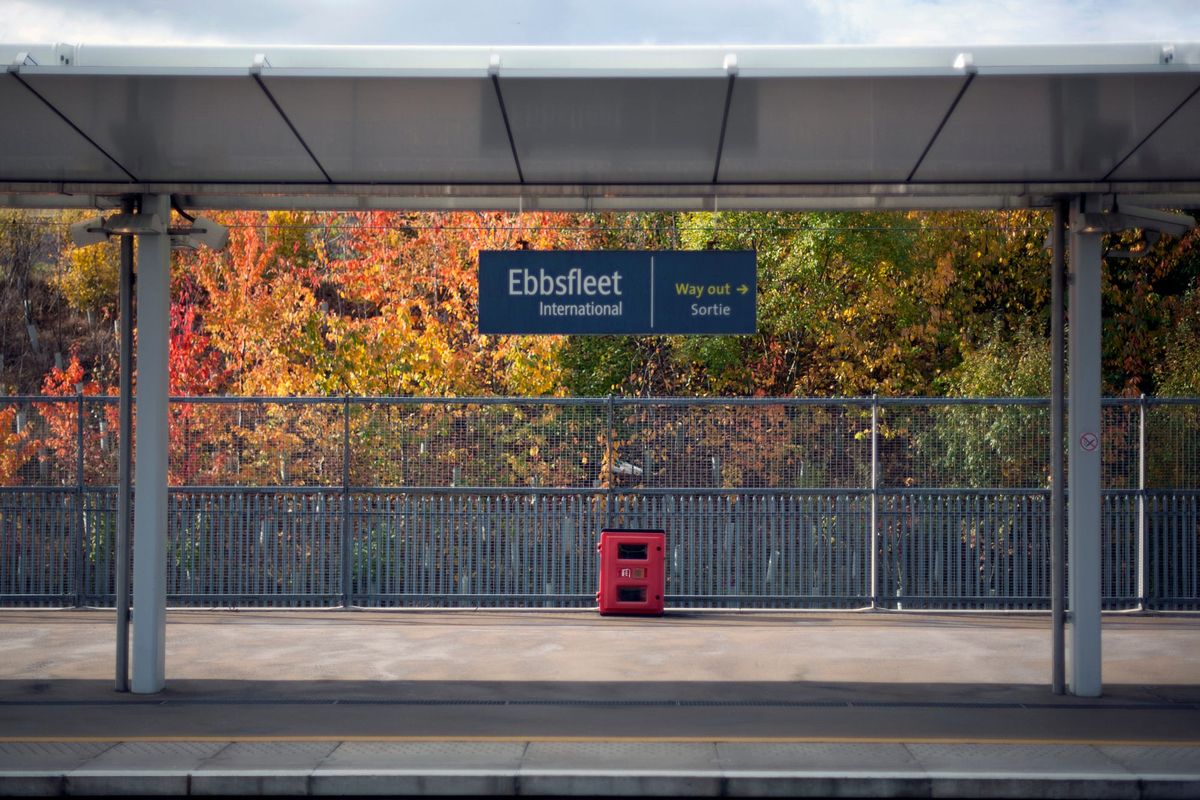
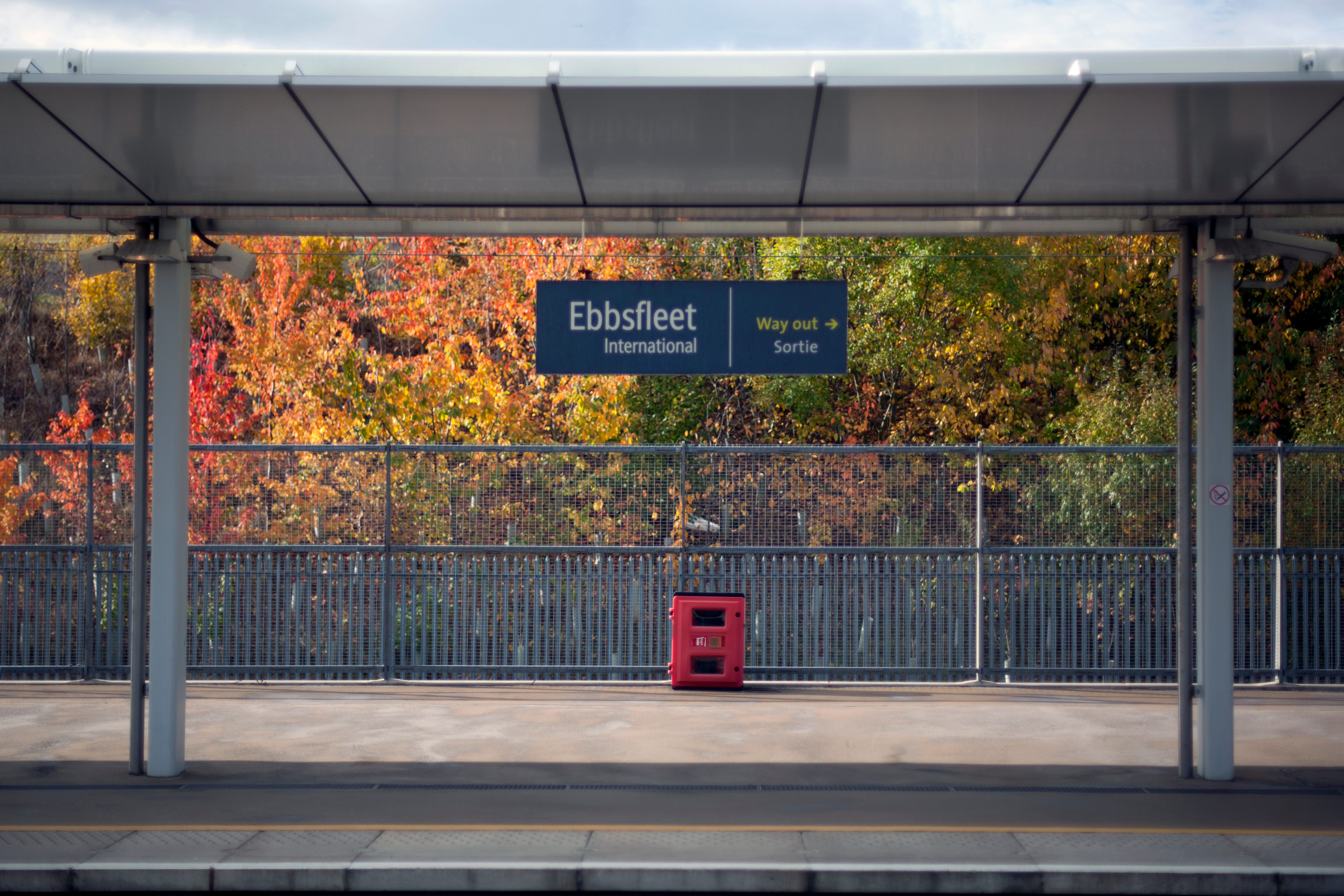
For a short while, Ashford looked like an international station again. Then the invited guests were ushered onto a Southeastern train, taken 20 minutes up the line on High Speed 1, and deposited at Ebbsfleet for more speeches, another ribbon cutting, and the signing of a memorandum of understanding. By midday, it was all over, with the platforms standing empty again, and the promise of cross-Channel services through Kent remaining just that: a promise.
A county on hold
Kent County Council organised the event, and its leader, Linden Kemkaran, made the case in direct terms: “It’s really important for the residents, so they don’t have to go all the way up to London and spend £40 on a ticket up to London before they’ve got the cost of the Eurostar. It’s really important for business because having the Eurostar stop here gives a boost to all local businesses. And it’s really important for tourism because Kent should not be a place that you just speed through. We’ve got so much to offer. We’ve got fabulous country pubs, we’ve got everything here. So it’s such a shame that the train is just whizzing through at the moment.”
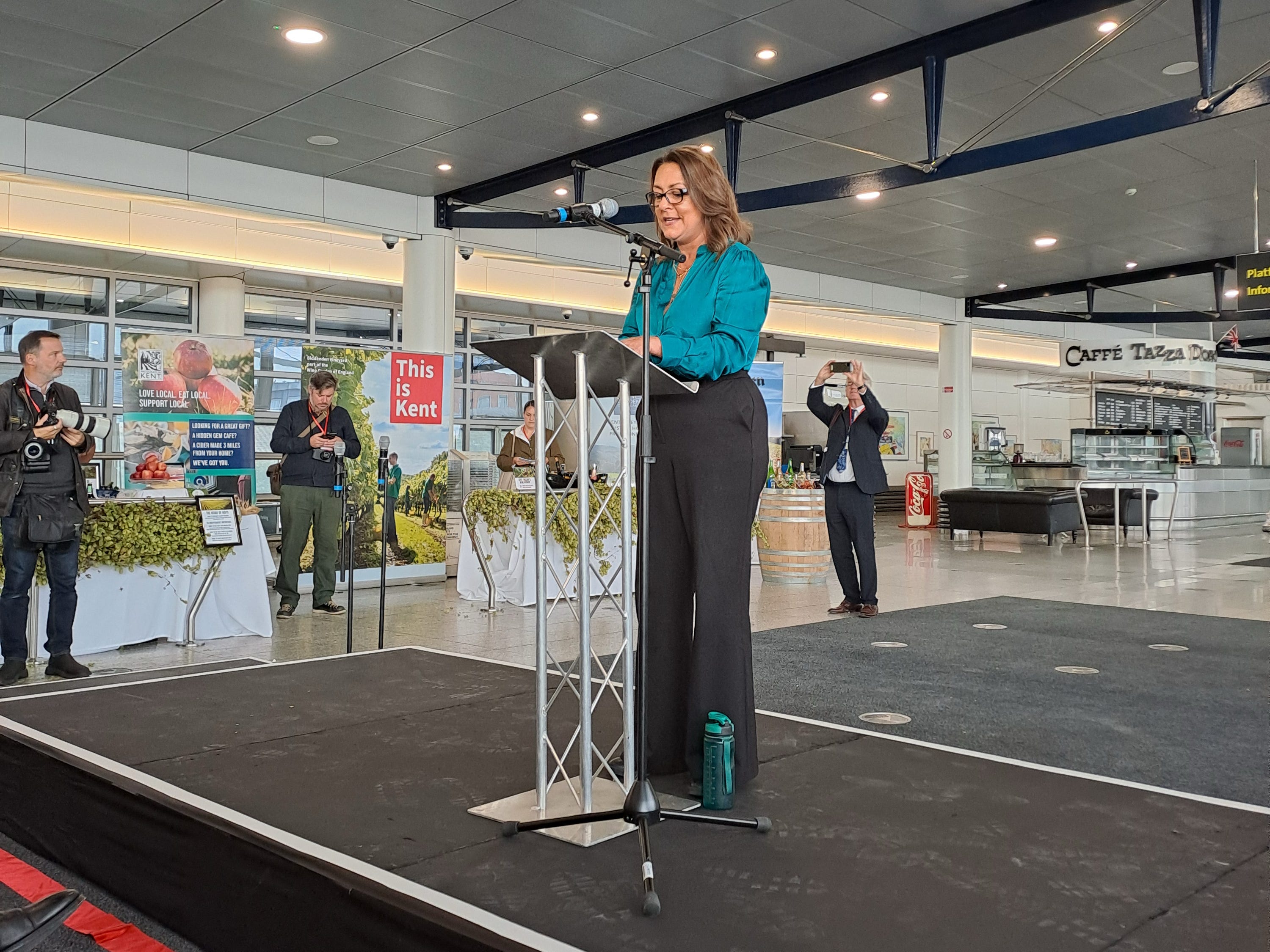
She was equally clear about the bigger picture. “If Eurostar won’t play ball, there’s gaps in the market for somebody else to. That’s the beauty of capitalism, isn’t it?” Eurostar, in her view, had lost the right to local loyalty. She also pointed out that the job of councils does not end with a single event. “We can keep the pressure on government. We can follow up this event with a letter, with hopefully a meeting with Lord Hendy. We can keep the pressure on. But hopefully, with the competition being introduced when the franchise is up for bidding. I’ve just been talking to some of the competitors. They are keen as mustard. They want this. They can see the opportunity.”
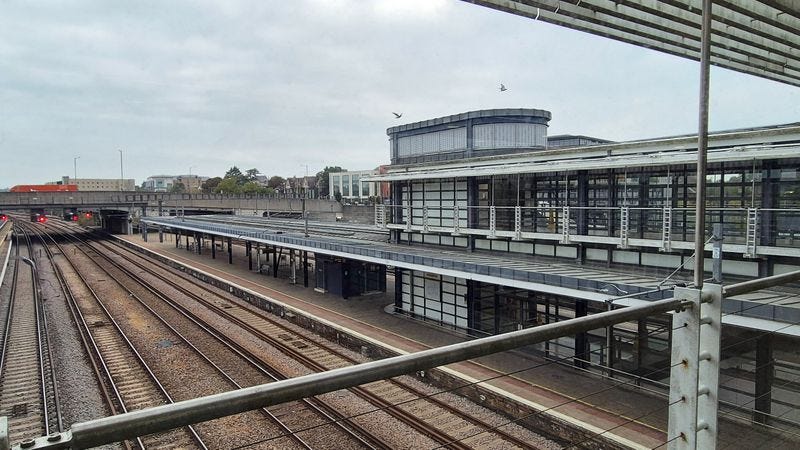
Ashford International and Ebbsfleet International were designed as gateways. Ashford was rebuilt at a cost of £80m to allow Eurostar trains to stop there from 1996. Ebbsfleet was purpose-built a decade later, opening in 2007 with a 9,000-space car park and the expectation of millions of passengers. Together, they were supposed to make Kent’s proximity to Europe pay off.
Instead, both are now ghost stations. Ashford has only domestic services and the Designer Outlet to draw visitors in. Ebbsfleet functions mainly as a park-and-ride into London. International trains stopped during the pandemic, and Eurostar has made clear it does not plan to return.
That absence is felt across the county. Canon Andrew Dodd of Canterbury Cathedral told us that visitor numbers have fallen since the trains stopped. “Part of that story is about the lack of connectivity to Canterbury city itself. Reinstituting the line here at Ashford would be a big boost to local business in Canterbury and improve visitor numbers for the cathedral,” he said. For him, the issue is also personal. “I personally have made the choice not to fly. It’s a difficult journey to make. I have to get to central London, just to come back through an Ashford station that would have only been a 20 minute trip for me.”
The battle lines
Eurostar says stopping in Kent is uneconomic. The Guardian reported last week that only 4% of passengers boarded at Ashford or Ebbsfleet in 2019, with as few as 50 people joining a peak-time service. The company argues that restarting would require significant investment in new border systems and staff that cannot be justified for those numbers.
That reasoning is no longer accepted locally. Tudor Price, chief executive of the Kent Invicta Chamber of Commerce, told us that patience has run out. “We understand the commercial challenges Eurostar faces. We’ve been very supportive and patient. But there was always an implied intent that they would return services here. They don’t seem to be honouring that obligation. Businesses that were built off the back of this international service are struggling to survive. I don’t think they can afford to wait another five, six, seven years before the competition comes into the line.”
Price argued that Eurostar is not a normal commercial operator. It runs services on infrastructure built with public money, and the communities around it should not be left abandoned.
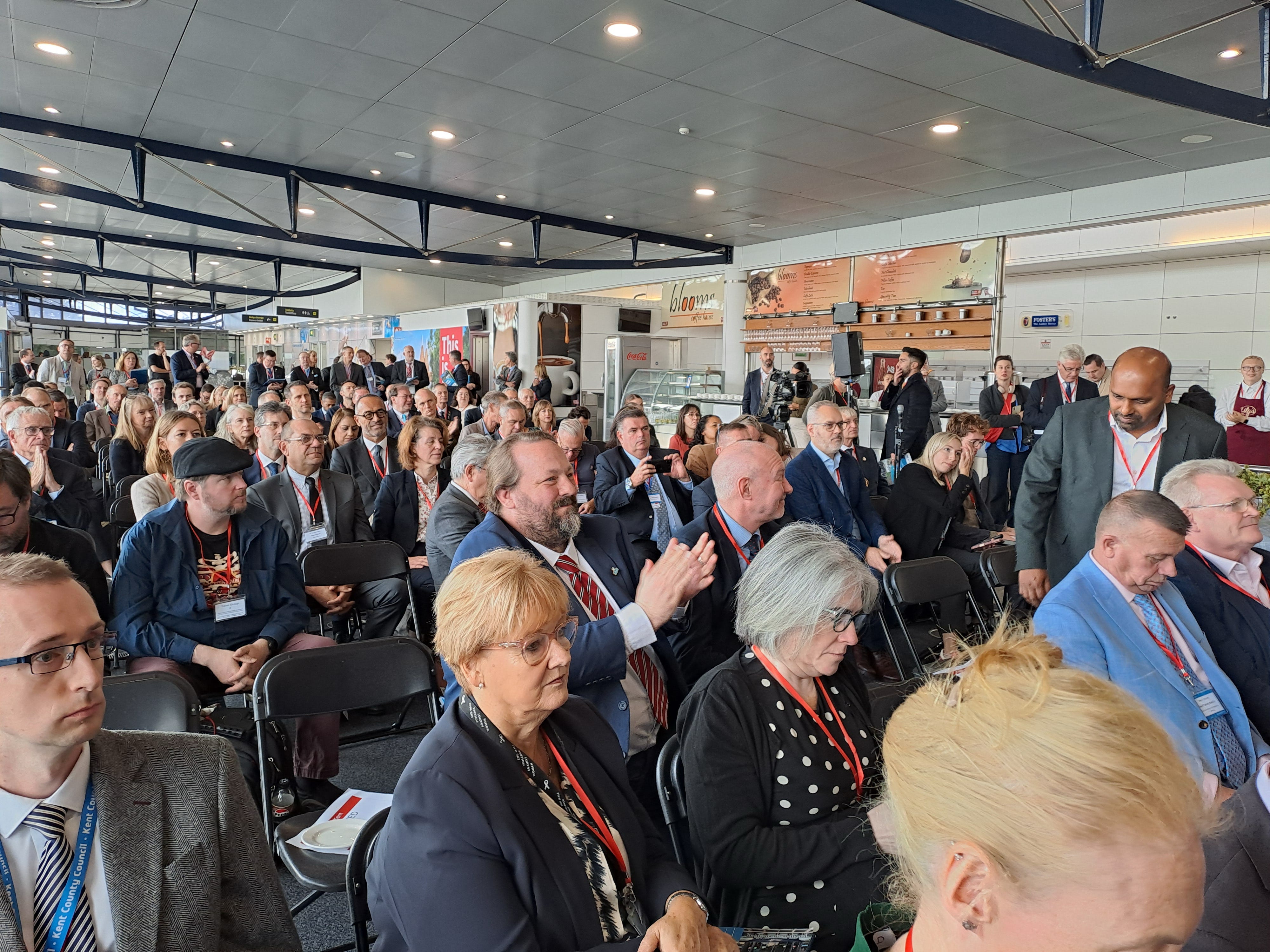
The breadth of the coalition at Friday’s event underlined that. MPs and representatives from across parties, council leaders from Ashford, Dartford, Medway, and Folkestone, officials from Calais, the German honorary consul for the South East, representatives from potential competitors Trenitalia, Evolyn, Virgin, and Gemini Trains, and business leaders from Bluewater to Biddenden Vineyards all attended.
Medway Council leader Vince Maple said the message was simple. “It’s great to have a cross-party, cross-council, cross-sector, very clear message, saying we need to bring back those trains which are really important for our community, both for business but also for leisure as well. There are lots of Medway residents who at the moment, if they wanted to go over to Paris or Brussels, they’ve got the ridiculousness of probably taking a train through Ebbsfleet where they would get off and then coming back through, and the train not stopping.” He also noted that the campaign’s momentum has been boosted by public support. “The fact that more than 75,000 people have already signed a petition and that is growing every day shows just how much this matters.”
If Eurostar will not change, others might. Gemini Trains, backed by Spanish capital, are eager to promote their plans. Commercial director Ian Chaplin told the Kent Current that their trains would all stop at Ebbsfleet, with services to Paris and Brussels and later to Cologne. “Our initial plan states that all our trains will call in Kent,” he said. “For us, the decision was related to how we indeed achieve our goal of making international rail travel more accessible to more people, and we think that Ebbsfleet helps us meet that objective.”
He admitted it would take time. Trains need to be built and depot space secured, meaning four to five years before launch. But the symbolism of challengers standing alongside Kent leaders was clear.
Dartford MP Jim Dickson said competition is the key. “The key to unlocking international rail services again in Kent is competition.” For him, the absence has already caused huge damage. “I think it’s retarded the growth of Ebbsfleet. It’s hit house sales, it’s made businesses less viable and it’s really undermined the promise of Ebbsfleet International, which was that it would be the station which could take you into the heart of Paris in an hour and 45 minutes and somewhere that would attract tourists from across the continent to spend money at Bluewater, for instance, but also in places like Swanscombe and Greenhithe and Dartford.”
He also described the tactics used to press the case. “I’ve been along to the ORR (Office of Rail and Road) with eight Kent and south eastern Labour MPs to hand in a letter and sort of ambush them. They weren’t expecting us to turn up. We turned up with a letter, and we got senior staff there who were happy to receive us and hear our point of view. We’re determined to continue with those sort of hardball tactics until we get the outcome we want.” He was encouraged by Hendy’s public stance. “What’s brilliant about today is to hear from Lord Hendy, who is the Rail Minister, saying that they are determined to make sure the ORR come up with the right decision. They’ve written to them. They’re clearly lobbying them as hard as they can.”
Dartford Borough Council leader Jeremy Kite said he saw “a future without Eurostar” and welcomed the arrival of new operators. Even Lord Hendy, the Rail Minister, told the room that competition was the most promising way forward.
Not everyone was prepared to let Eurostar carry all the blame. Kent County Council opposition leader Antony Hook was clear that Brexit had worsened the situation. “Brexit caused damage, means fewer passengers, and that’s because with Brexit, we all lost our right to work in the EU. EU citizens lost their right to work here. Student numbers have dropped by half and there’s more extensive passport checks, which causes long delays and extra costs,” he said.
Hook argued that unless Britain aligns more closely with the EU, the added costs and delays will continue. His was a minority voice in a room otherwise careful to avoid reopening old battles, but his point cannot be dismissed.
The economic case has become harder to ignore. BBC News reported figures from the Good Growth Foundation suggesting that reopening Kent’s international stations could bring £2.7bn in growth over five years and attract 500,000 extra visitors annually.
Ashford MP Sojan Joseph, elected last year on a pledge to restore services, was clear about the benefits. “I no longer call it Eurostar. I call it eurotravel back to Ashford because it will help the economy of Ashford. It will help the tourism. It will bring value for my constituents, because when there is a competition, the ticket prices may come down. That will encourage more train passengers, which is good for the environment as well.”
He also laid out the reasons trains stopped. “In 2015, the previous government took our stakes, the government stakes from the Eurostar. And then came Brexit, and then came the pandemic. So we’ve gone through those big steps in the past that has stopped Eurostar serving Ashford.” He added that new services would not just be about Ashford itself. “Every holiday season, we get Operation Brock on the M20. The M2 and M20 are always under pressure. Getting more passengers on the train helps the road, the economy, and people save time. They can start the journey from here rather than having to travel into London.”
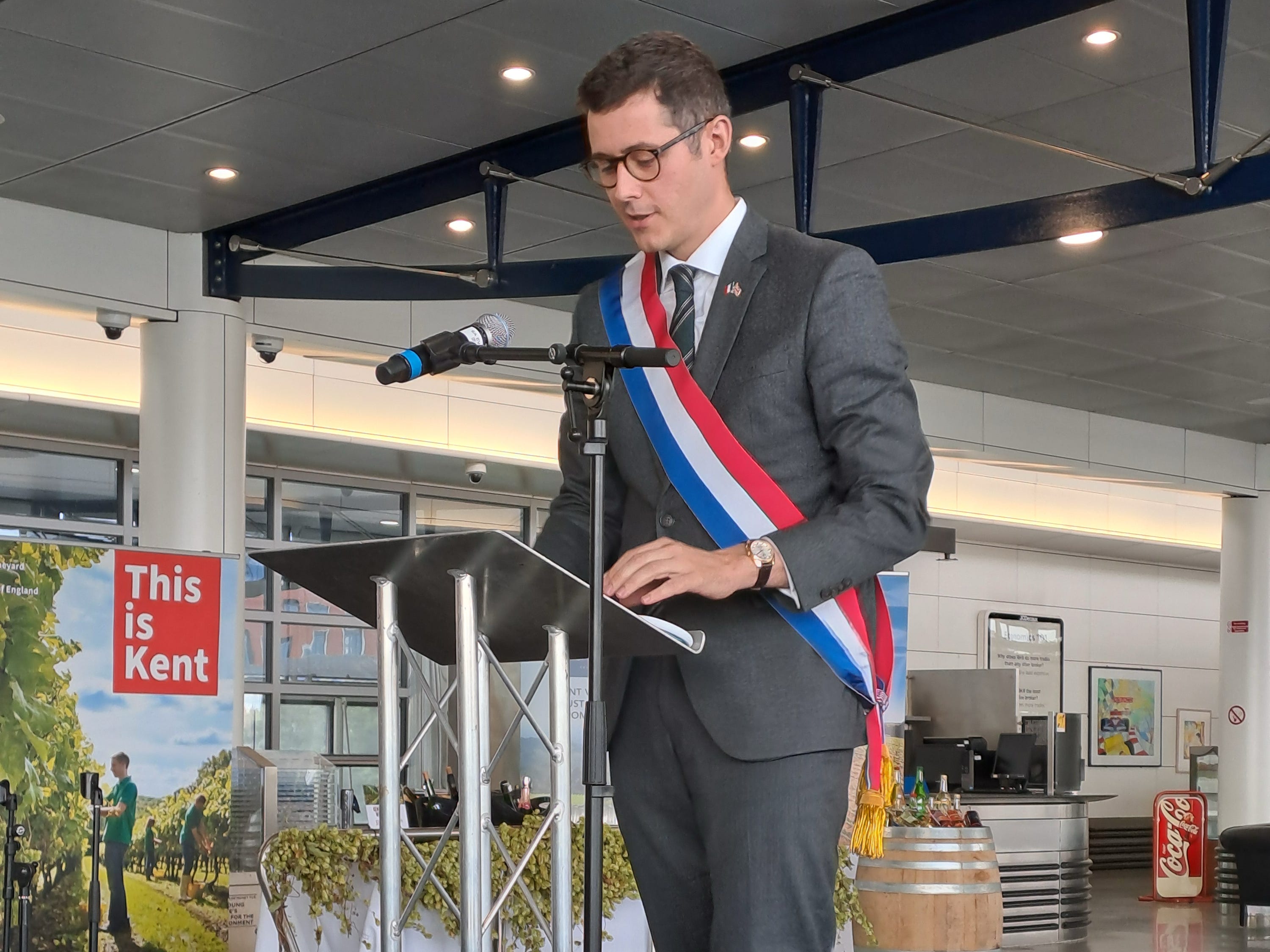
French National Assembly member Vincent Caure stressed solidarity from across the Channel. “It is about opportunity, growth, and sustainability. Together, we can make it a reality again. It is a matter of principle. We are united in our determination to bring back international trains in Kent.” With around 5,000 French citizens living in Kent, he argued this is a shared cause.
Waiting for the green light
None of that changes the obstacles. New trains, border systems, and depot capacity will not appear overnight. Even the most optimistic projections talk about 2030 before anything starts to run.
Eurostar itself has been blunt. It has no plans to return to Kent. Stopping adds time to services, infrastructure costs are high, and passenger numbers do not justify the outlay. Unless regulators insist, Eurostar will keep Kent off the map.
That is why attention has turned to the ORR’s decision on depot space at Temple Mills. If capacity is opened for a new operator such as Gemini, momentum could build. If not, the campaign risks losing steam.
There is also the broader question of identity. Ashford and Ebbsfleet were branded as international stations to show Kent as a connected, outward-facing county. Their closure leaves a psychological mark as much as an economic one.
Friday’s event showed how broad the coalition now is. There are ministers in support, international voices willing to help, and new operators ready to invest. The national press even paid attention for a day.
What Kent does not have is a train. At least not yet.
The next step depends on regulators, competition arriving, and whether Eurostar can be forced to reconsider. Until then, Kent waits. Ashford’s international lounge, briefly dusted off, is empty again. Ebbsfleet’s grand concourse echoes once more.
It may be 2030 before that changes. It may never change. For now, Kent’s international future remains out of reach, and the train that never stops keeps rushing through.