“I've never thought of myself as famous enough”
What we asked Iain Dale, radio broadcaster and author of his new autobiography
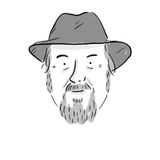
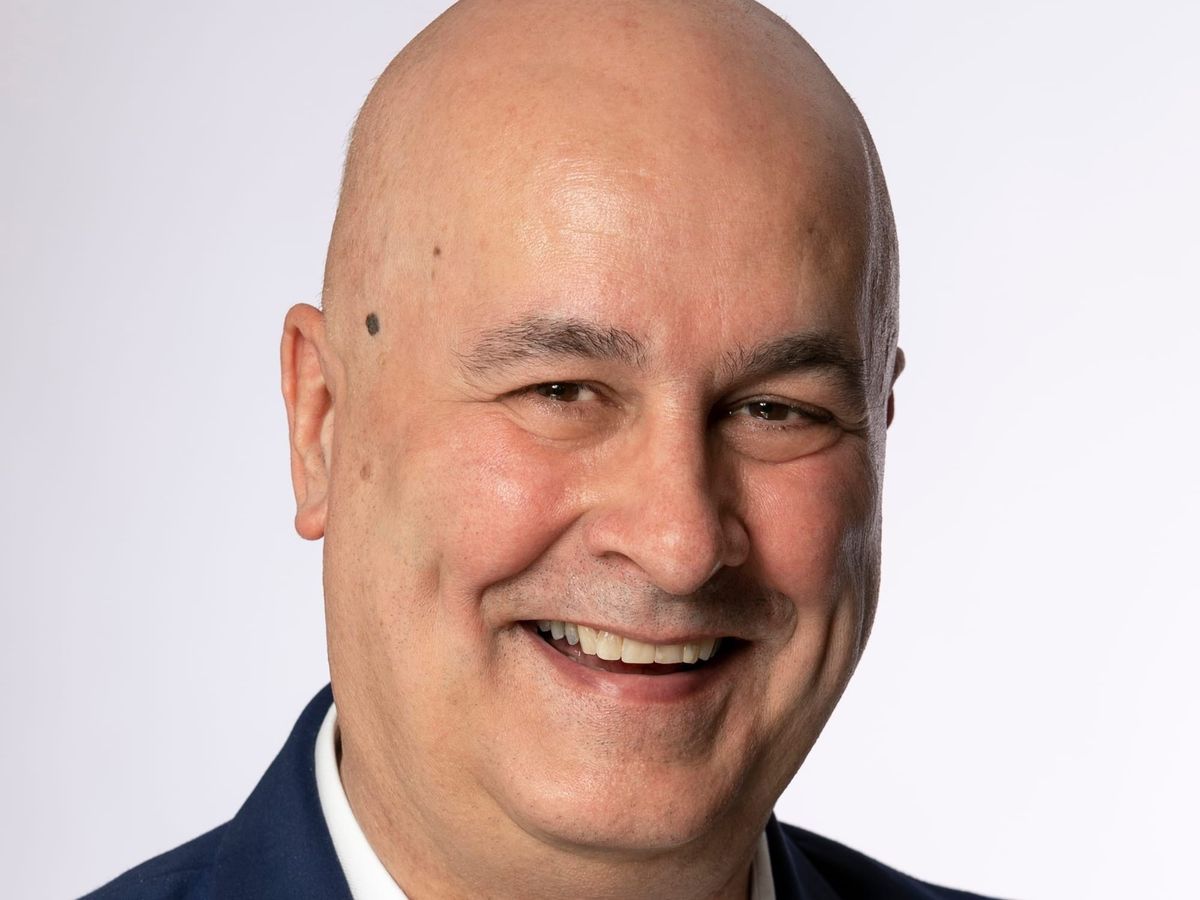
Last year, broadcaster Iain Dale released a successful biography of Margaret Thatcher, which we spoke to him about at the time. This year, Iain has written his own autobiography. We caught up with him to discuss being a general election candidate, writing frankly about his sex life, and what nice things he can say about Tunbridge Wells.
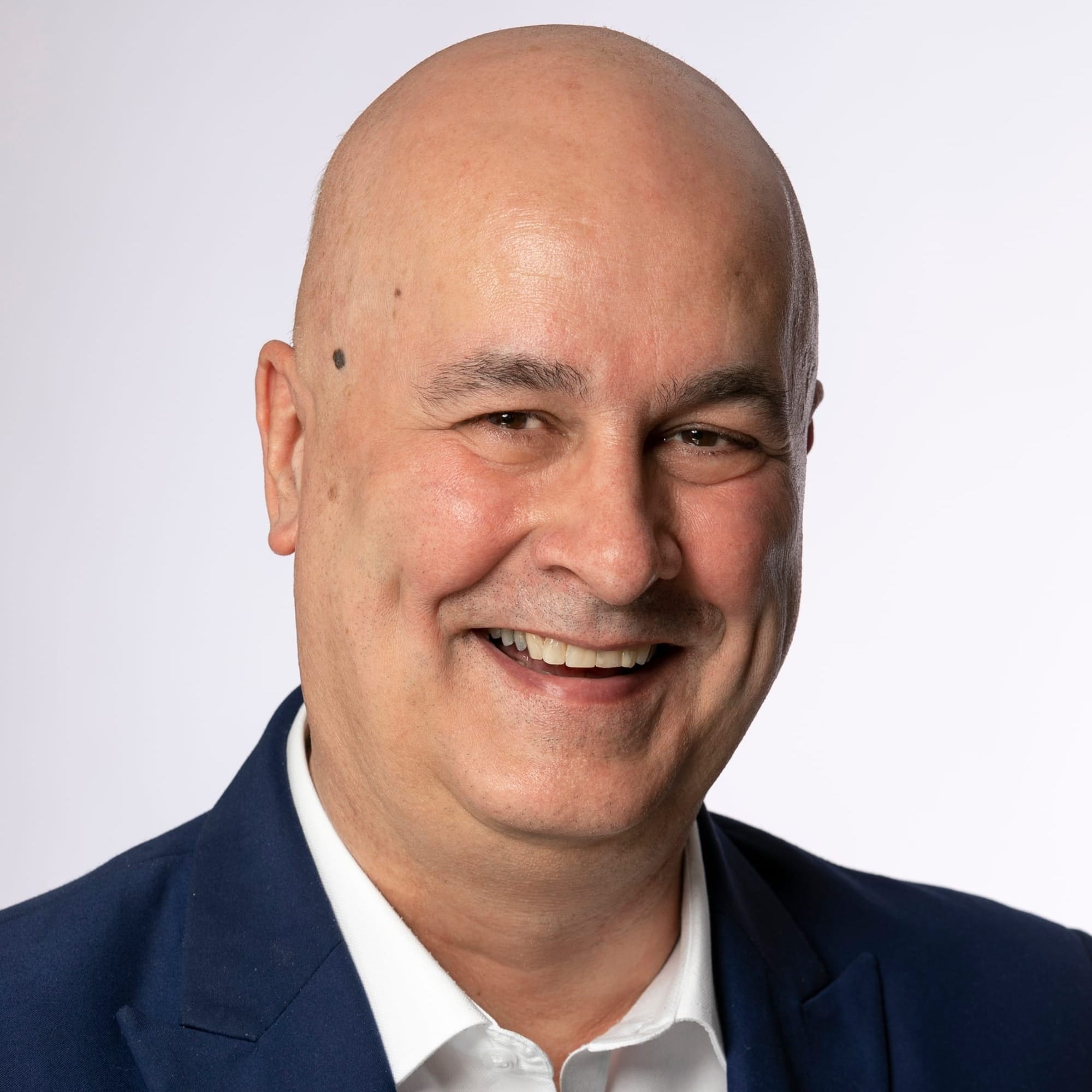
When I spoke to Iain Dale last year for the release of his biography of Margaret Thatcher, I found him open and engaging. So when he said his next book would be his own autobiography, I quickly followed up with another interview request, which Iain clearly obliged.
Having lost his driving licence, Iain requested that we meet via Zoom, connecting from his home in Tunbridge Wells and a room dedicated to the books he has written and edited, of which there are many.
Iain Dale currently presents a three-hour, phone-in-based talk show on LBC, four days a week. The first hour covers the big news story of the day, while the second hosts a panel, “generally two people from the right, two people from the left.” The final hour is a phone-in, “but not necessarily on a political subject. Often something to do with emotions.”
The previous night’s subject concerned whether children should be allowed to stay up late to watch the World Cup, whose kick-off is at 1am. The consensus was “yes, but they have to go to school as well.”
I don’t believe in being nasty to immigrants
Radio has changed him, particularly on social issues. “I’m more left of centre than I was before,” he says, suggesting that when you begin a phone-in show articulating one view and then actually listen to callers, “you change your mind a bit.”
Immigration is one example. It is a topic he acknowledges he was once “quite hard-line on,” though he now finds himself accused of being “a woke Liberal Democrat.” Iain still believes the country needs border controls, but also that the economy cannot function without immigration. “I don’t believe in being nasty to immigrants.”
As both editor and presenter of the show, Iain has been known to change the subject in the final minute if a news story breaks. He is also disarmingly honest about how much preparation goes into it. “It sounds awful, but I don’t do a lot of preparation,” he admits, relying instead on 40 years of accumulated knowledge and the audience itself.
When there was unrest in Venezuela a few years ago, he put a call out on air for Venezuelans in the UK to phone in and “tell me what’s going on in your home country.” It is ridiculous, he says, to pretend you can be an expert on everything, “because you just can’t.”
When not on air, Iain also works as an author and editor, a Telegraph columnist, and a prolific blogger, having recently launched his own Substack. Despite all this, he insists he does not particularly enjoy writing. He suffers from imposter syndrome, believing he lacks the writing flair of Matthew Syed or Boris Johnson.
“I enjoy talking,” he says.
That preference shapes how he writes. He writes the way he talks. When he first started blogging, he would post more than five times a day, though some entries were as short as 50 words. Now his Substack articles might run to over a thousand words, and while that is not to say they are not enjoyable, “it doesn’t give me the kicks that talking on the radio does.”
I suggest that recording the audiobook version of his autobiography must at least have suited his love of talking. It turns out not.
“I hate doing audiobooks,” he says, partly because he is not working from the final manuscript and stumbles across typos, and partly because of the sheer time involved. The final audiobook will be around 16 hours long, but took more than 24 hours to record.
Iain records the audiobook and his podcasts at home, where he has no proper recording studio. This made him newly aware of the sound of passing traffic and singing birds. “I tend to record late at night. A bit of a pain in the arse, to be honest.”
It was never his intention to write an autobiography. “I’ve never thought of myself as famous enough to warrant it,” he says. “Who would buy it?”
He was eventually persuaded that his life had been varied enough, and interesting enough, to justify one. The suggestion was that he write a couple of chapters and carry on if he enjoyed it, which he duly did. “It was almost quite therapeutic.”
He was determined that the book would cover both successes and failures. “I don’t like reading autobiographies that are about, ‘Aren’t I brilliant!’” For Iain, failure is always more interesting than success.
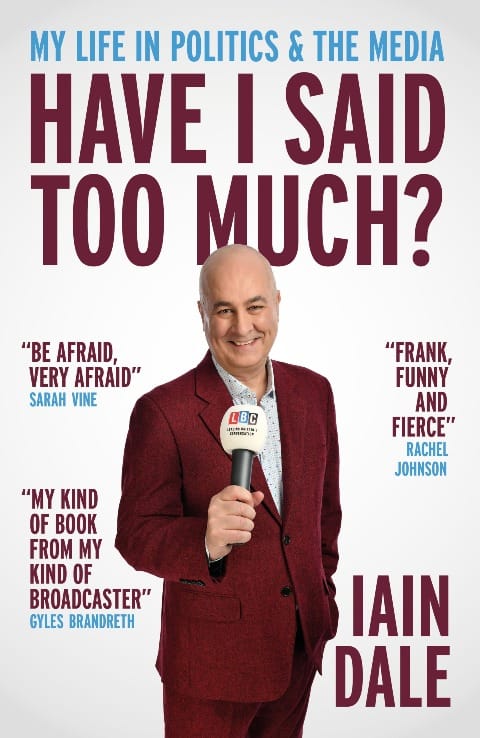
The initial version was more than 175,000 words long. When his publisher advised him to cut it down to about 100,000 words, Iain refused. “I mean it’d be a bit humiliating if it only sold ten copies, but to me it’s far more important to publish the book I wanted to write.”
That meant not just focusing on his political experiences, but writing a more unfiltered version of his life. The hardest part to write was what Iain calls “the gay chapter.”
While wanting to be honest, he did say that he “toned it down a bit,” though he still expects it to be the chapter that attracts attention. “I didn’t want to make it, how can I put it, yucky.”
He showed the chapter to a few people, with one suggesting a complete rewrite. Originally, he was going to cover his sex life over two chapters: “One from my effectively straight days, and then one about coming out.”
There's a lot more where this came from.
Register for free to continue reading our interview with Iain, and to get the biggest stories from across Kent without the noise.