“I'm the least important person in the room”
What we asked Ian Watson, club promoter and debut novelist

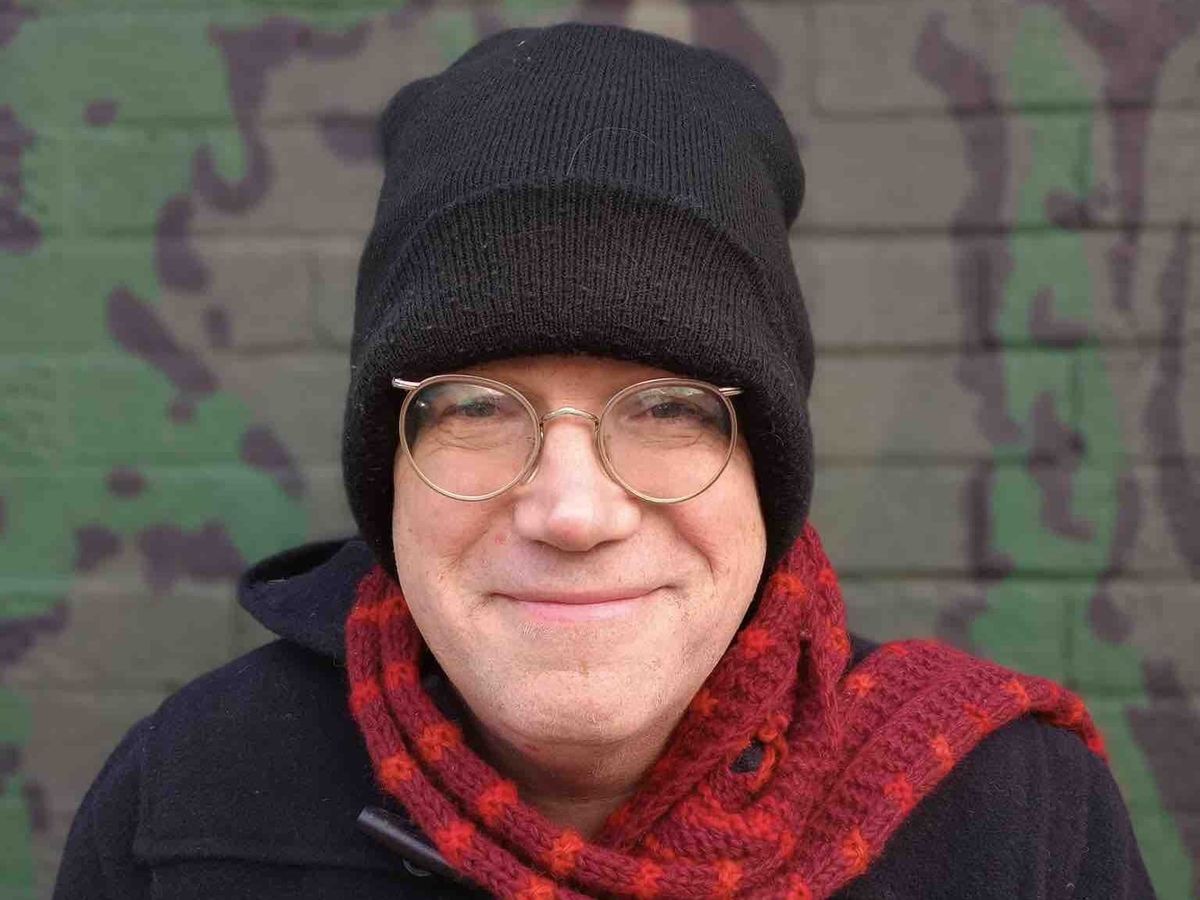
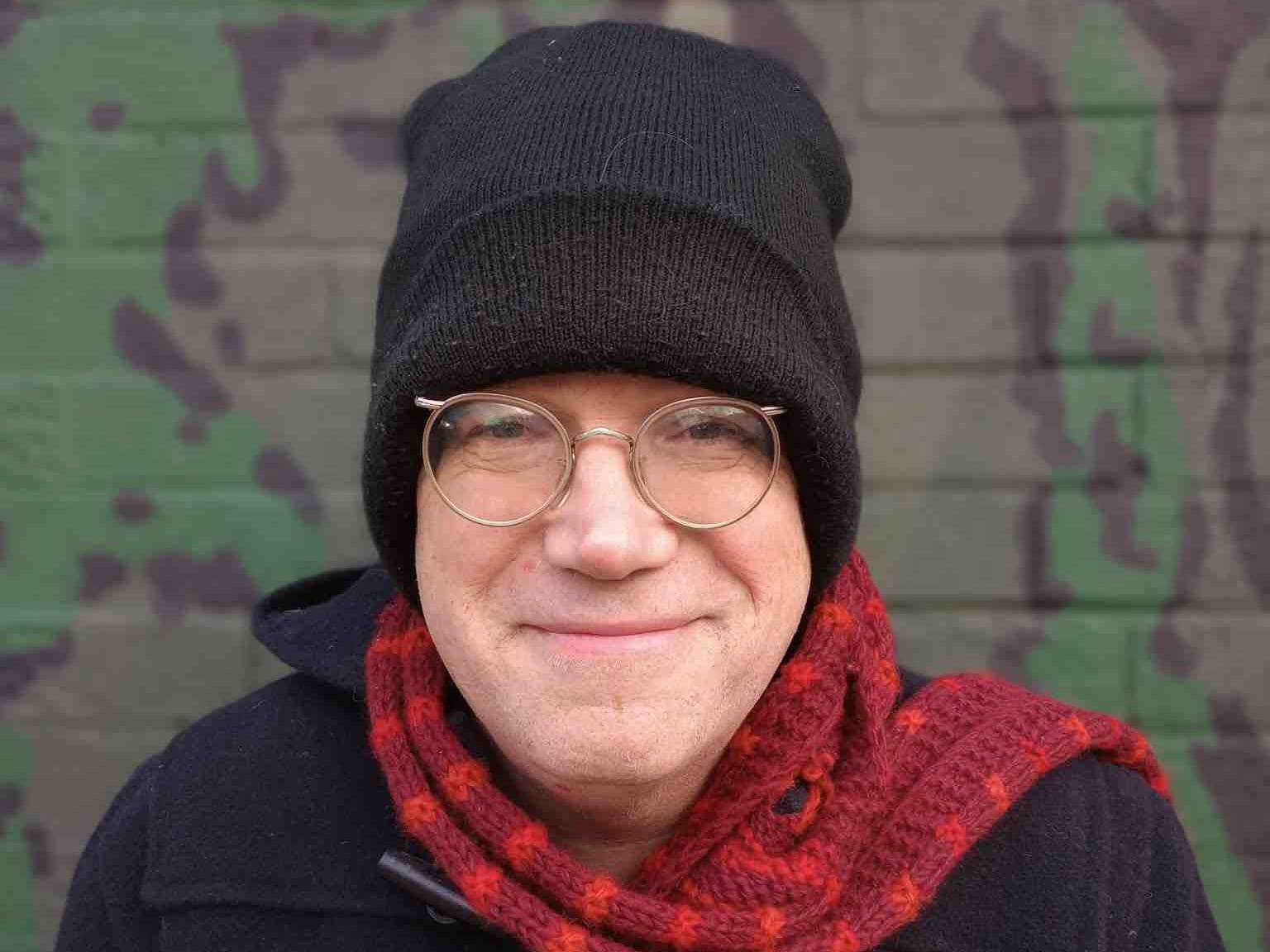
Ian Watson is a club promoter and debut novelist. Steven spoke with him about being Rolling Stone Australia's London Correspondent, running a successful club night and becoming a science fiction novelist.
What is your official occupation?
Well, I am a club promoter, I suppose, which I've done for the last 24 years. That is what I am, and how I make the most of my money these days. I put on gigs and run a small label. Before I got into that, I was a music journalist. It's kind of weird that I was a music journalist from my teens into my mid 30s and then drifted away from that, still in music, but on the other side. I would write about bands, review albums, interview people. Then I went to the other side of the fence and would work with bands, release their records, management, all that stuff. I always missed it, and I've now drifted back to writing again.
What does club promotion actually entail?
I run a small club night called How Does It Feel To Be Loved? It is a night for dancing. There are no bands. It’s usually in a small room of about 150 people in the back of a pub somewhere. I thought I'd do it just one time for fun, and it became successful pretty quickly. 24 years later, I'm still doing it. I run the night, but I'm also the DJ. I employ someone to work on the door for me. We used to have guest DJs, but drifted away from that as well. Now I just DJ the whole thing. It was covid that changed that. I enjoyed it so much I didn't want to give it up.
Has it always been held at the same club, or does it travel?
It has moved around venues in London. Over the years, pubs shut. We're currently in a place called Signature Brew in Haggerston in East London. But I have done it in loads of venues all over London. Sometimes it'll be fun to do a one-off here, a one-off there, and then I've had longer residencies of ten years in other places. It's such a fun thing to do, and you become part of a community of people. A good club night is really successful because of the people who go there. The music, of course, is important, but it's the atmosphere at the club itself. If you're at a really good club night, you can walk in and can sense that everybody's on the same side. Whereas a normal club night, you go in and it's a mess of people who are all there for completely different reasons, and you're struggling to work out where you fit in, and the answer is, you probably don't fit in. This is a club for people who want to go and dance. To the point in the early days, some guys would come along and be bothering women on the dance floor, I'd go out and say, “Stop it. This is not what we're here for. You can either leave or stop.” I'm glad I did that because then that established the tone of the night, the idea of a safe space, before a safe space was really talked about. It should be just common decency.
How does it feel to be loved?
It was a line from a song by The Velvet Underground, called Beginning to See the Light. I was sitting in the back of a car driving from Glasgow to Edinburgh or vice versa and the friends of my wife, who is from Scotland, were driving us and they were playing a compilation, and that song came on and at that point when Lou Reed sang How Does It Feel To Be Loved, the whole idea just popped into my head completely fully formed. I was just like, I should do a club night, it should be called How Does It Feel To Be Loved? and I’ll play a mix of indiepop and soul music. I just did it, and I didn't question it from then on because I'd had that moment when the lightning bolt hit me, and Lou had told me what to do, I better get on with it.
It's a ridiculous name for a club. It's too long and people say, “What's the club?” But that's what it's called because that's what I was told to do.
Good DJs are about sparking communal joy
What does it mean to be a good DJ? Isn't it just loading up a Spotify playlist and pressing play?
No, because you have to react to the room. You have to understand what people want and why they're there in the first place to listen to a certain type of music. You could pre-program a Spotify playlist on those terms, but then it's not an exact science. A song which is incredibly popular one week will suddenly not go so well the next week. There is no reason for that, other than human beings aren't robots, and a collective of human beings don't act in a predictable way. Sometimes a song will just completely go crazy, and other times a song will just be like, “Whatever.” Good DJs are about sparking communal joy, I would say. You're bringing people together, and you're helping them to be all on the same side.
Absolutely the best club nights that I've been involved with are when I've lost control of the night because they're in charge, and the people that come together, their joys and textures, people are coming to me with amazing ideas that I could never have thought of myself. I can only play what I've got. I don't load Spotify or anything. People who love music deeply also have really good taste. Then it becomes this amazing collaboration. We always have photographs of the night, but there's never any photos of me. I always hate these club nights where it's all photos of the DJ. It's not about me. I'm the least important person in the room. If there's a stage, I'm never on it. I make sure I put the DJ decks on the side. The people should be on the stage. The people go and dance on the stage, and they're the stars of the show. It's about being a catalyst, I suppose.
The best nights are when everyone's all together, all the different ages, and no one cares
How have the audiences changed for your club nights over time?
Oh, they've got older. I'm old now. I was 33 when I started it, and it's 25 years later now. To some extent, the audience has grown up with me, and then to another extent, a lot of our younger audience who were in their twenties or teens when we started, then they go off and settle down. They couple up at the clubs, they have families, they have kids and settle down. They reappear every so often, which is lovely.
I suppose, as a younger person, you might wonder whether you would go into a club and see someone who's in their 50s as the DJ. Having said that, last month there were loads of younger people in their 20s, and they love it. They love it because of what we were talking about before. There were these two young women who were in their early 20s who had been coming along to the club, they are big Cure fans, and they said, “We've been to loads of other clubs in London, and we haven't found this lovely community atmosphere anywhere else. We feel safe here.” I like it to be inclusive to everybody, all welcome. The best nights are when everyone's all together, all the different ages, and no one cares.
I was compared to Lewis Carroll, Monty Python and Douglas Adams